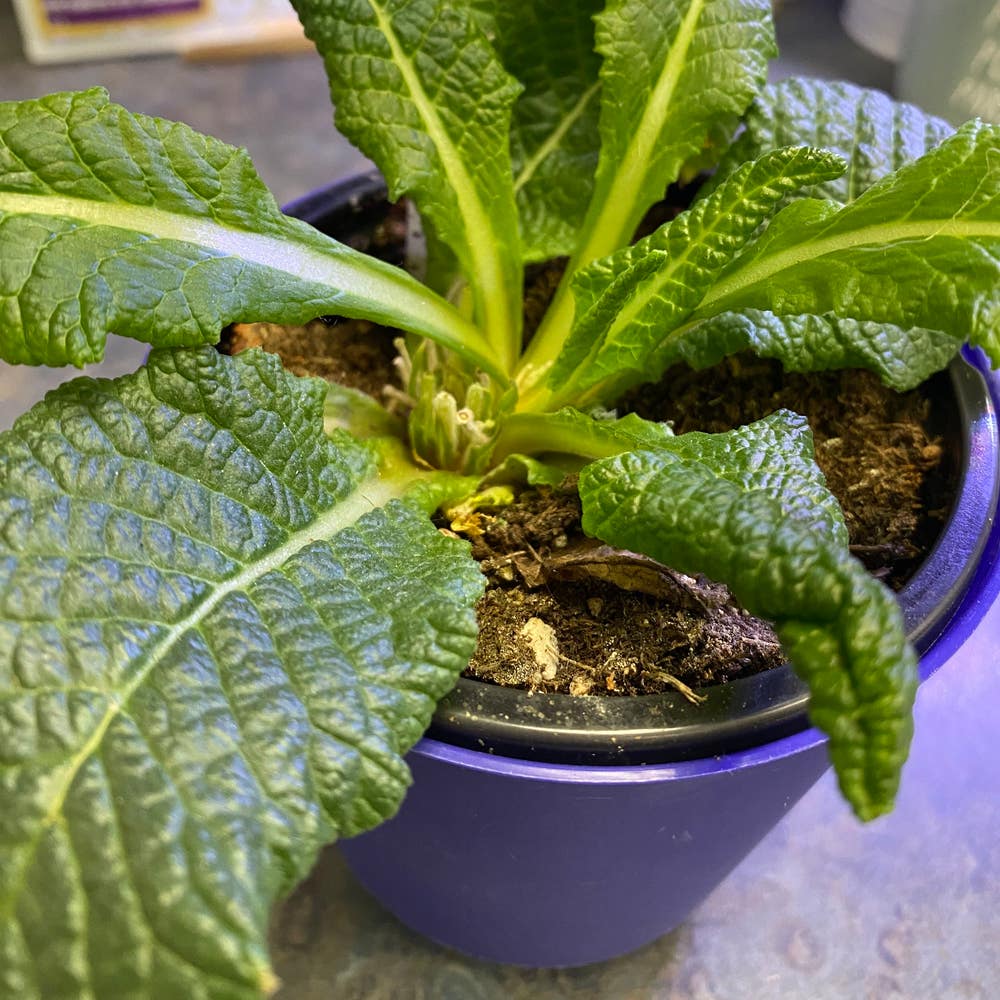
🌼 3 Steps to a Healthy Outdoor Common Primrose
Primula vulgaris
By the Greg Editorial Team
Sep 30, 2024•5 min read
This article was created with the help of AI so we can cover more plants for you. May contain errors. See one? Report it here.
- 🌞 Common primrose thrives in partial shade, needing 4-6 hours of indirect sunlight daily.
- 💧 Keep soil consistently moist; water every 1-2 weeks based on conditions.
- 🌱 Mulch and seasonal care enhance growth, protect roots, and manage pests effectively.
Sunlight Needs
Ideal Conditions 🌳
Common primrose thrives in partial shade, reflecting its natural woodland habitat. Aim for 4-6 hours of indirect sunlight daily to keep your plants happy and healthy.
Effects of Insufficient or Excessive Sunlight ☀️
Too little sunlight can lead to stunted growth and fewer blooms, leaving your garden looking lackluster. Conversely, excessive sunlight can cause leaf scorch and wilting, especially during those sweltering summer days.
Understanding these sunlight needs is crucial for nurturing a vibrant outdoor common primrose. Next, let’s explore the watering requirements to keep your plants flourishing.
Watering Requirements
🌧️ General Guidelines
To keep your outdoor common primrose thriving, maintain consistently moist soil without waterlogging. Water every 1-2 weeks, adjusting based on rainfall and temperature.
🚰 Signs of Underwatering and Overwatering
Watch for wilting leaves and dry soil, which indicate underwatering. Conversely, yellowing leaves and root rot signal overwatering, so ensure your watering routine is balanced.
By mastering these watering techniques, you’ll set your primrose up for success, leading to vibrant blooms and healthy growth. Next, let’s explore the soil preferences that will further enhance your plant’s health.
Soil Preferences
Ideal Composition 🌱
Common primrose thrives in moist, well-drained soil that leans slightly acidic to neutral, with a pH between 6.0 and 7.0. The best soil types for these beauties are loamy or sandy soils, enriched with organic matter to provide essential nutrients.
Preparation Techniques 🛠️
To set your primrose up for success, amend the soil with compost or peat moss. This not only improves drainage but also boosts nutrient content, creating a welcoming environment for growth.
Conducting a soil test is a smart move. It helps you determine the pH and nutrient levels, ensuring your primrose has everything it needs to flourish.
With the right soil conditions in place, your common primrose will be well-equipped to thrive. Next, let’s explore the best planting options for these vibrant flowers.
Planting Options
🌱 Container vs. Ground Planting
Choosing between container and ground planting for your common primrose can significantly impact its growth and care. Each option has its unique benefits and drawbacks.
🪴 Benefits of Container Planting
Container planting offers flexibility in placement, allowing you to move your primrose to optimize sunlight or protect it from harsh weather. It also makes it easier to control soil conditions and drainage, which is crucial for healthy growth.
🚫 Drawbacks of Container Planting
However, container planting requires more frequent watering since pots dry out faster. Additionally, limited root space can restrict growth, making it essential to choose an appropriately sized container.
🌍 Benefits of Ground Planting
Ground planting provides more stable moisture levels and nutrient availability, which can lead to healthier plants. It also allows for larger growth potential and benefits the surrounding ecosystem by supporting local wildlife.
⚠️ Drawbacks of Ground Planting
On the downside, ground planting offers less control over soil conditions and pests. Your primrose may also be more vulnerable to extreme weather conditions, which can affect its health.
In summary, both planting options have their merits and challenges. Consider your gardening style and local conditions to make the best choice for your common primrose. Next, let’s dive into the essential care and protection strategies to keep your plants thriving.
Care and Protection
☔️ Weather Protection
Mulch is your best friend when it comes to retaining moisture and regulating soil temperature. A good layer of mulch not only keeps the roots cool but also helps prevent weeds from taking over.
During extreme heat, consider using shade cloth to protect your primrose from leaf scorch. This simple addition can make a significant difference in keeping your plants healthy.
🌸 Seasonal Care
Spring: As new growth appears, it's time to fertilize and remove any dead foliage. This helps your primrose start the season strong.
Summer: Increase your watering frequency and keep an eye out for pests and diseases. The warmer months can bring challenges, so vigilance is key.
Fall: Cut back spent flowers and apply mulch for winter protection. This prepares your plants for the colder months ahead.
Winter: Protect your primrose from extreme cold with a thick layer of mulch. Avoid watering if the ground is frozen to prevent root damage.
🐛 Pest and Disease Management
Common Pests
Aphids can be a nuisance, leaving a sticky residue on leaves. Control them effectively with insecticidal soap.
Slugs and snails are another common issue, often leaving irregular holes in leaves. Hand-picking is an effective way to manage these pests.
Common Diseases
Powdery mildew shows up as white powdery spots on leaves. Improve air circulation around your plants and apply fungicides if necessary.
Root rot can be tricky, as it causes wilting despite adequate watering. Ensure your soil drains well and avoid overwatering to keep your primrose thriving.
🌍 Climate Zone Considerations
Primrose thrives in USDA zones 4-8, so adjust your care based on local climate conditions.
In Zone 4, ensure winter protection with heavy mulching to shield your plants from harsh conditions.
For Zone 8, providing shade during extreme heat is crucial to prevent stress on your primrose.
With the right care and protection, your outdoor common primrose can flourish beautifully. Next, let’s explore the various planting options to maximize its growth potential.
⚠️ Safety First
This content is for general information and may contain errors, omissions, or outdated details. It is not medical, veterinary advice, or an endorsement of therapeutic claims.
Always consult a qualified healthcare professional before using any plant as food, medicine, or supplement.
Never eat any plant (or feed one to pets) without confirming its identity with at least two trusted sources.
If you suspect poisoning, call Poison Control (800) 222-1222, the Pet Poison Helpline (800) 213-6680, or your local emergency service immediately.
Spotted an error? Please report it here.
Cultivate a vibrant primrose garden 🌼 with Greg's tailored watering reminders and soil testing, ensuring your plants thrive with the perfect care they need!