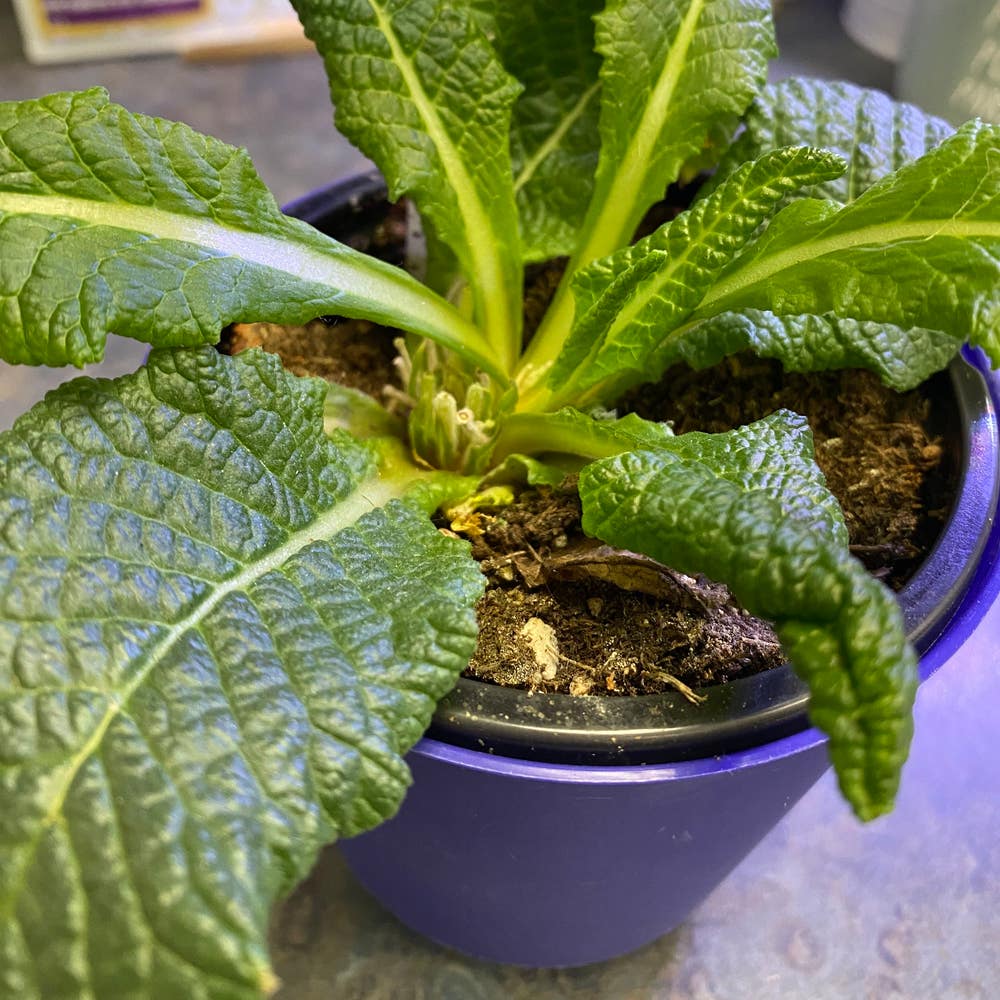
Common Primrose is Not an Invasive Plant
Primula vulgaris
By the Greg Editorial Team
Sep 30, 2024•4 min read
This article was created with the help of AI so we can cover more plants for you. May contain errors. See one? Report it here.
- 🌼 Common Primrose is non-invasive, making it a safe and beautiful garden choice.
- 🐝 Supports pollinators with early blooms, enhancing biodiversity in your garden.
- 🌱 Manages growth well, thriving in moist soils without disrupting local ecosystems.
Plant Classification
Definition of Invasive Species 🌱
Invasive species are plants that exhibit aggressive growth, allowing them to outcompete native flora. They can disrupt local ecosystems, leading to a decline in biodiversity.
Common Primrose, however, does not fit this definition. It lacks the aggressive growth patterns typical of invasive plants and has natural limitations that keep its spread in check.
Why Common Primrose is Not Invasive 🌼
This charming plant grows in a clumping habit, reaching heights of 6-12 inches. Its growth is manageable, making it a delightful addition to gardens without the fear of it taking over.
Moreover, Common Primrose thrives in specific conditions, preferring moist, well-drained soils. This preference limits its spread in drier environments, ensuring it remains a welcome presence rather than a nuisance.
In summary, understanding the classification of plants helps gardeners make informed choices. Common Primrose stands out as a non-invasive option, enriching gardens without overwhelming them.
Next, let’s explore its growth habits and how they contribute to its appeal in garden settings.
Growth Habits
Typical Growth Patterns in Gardens 🌼
Common Primrose exhibits a charming clumping habit, typically reaching heights of 6 to 12 inches. This compact growth makes it an ideal choice for borders and garden beds.
Early spring is when this plant truly shines, bursting into bloom and providing essential food sources for pollinators like bees. Its vibrant flowers not only enhance garden aesthetics but also support local ecosystems.
Natural Spread Potential and Limitations 🌱
One of the fascinating aspects of Common Primrose is its self-seeding behavior. It spreads naturally without becoming invasive, allowing it to coexist harmoniously with other plants.
This species thrives in moist, well-drained soils, which helps limit its spread in drier conditions. This adaptability ensures that it remains a welcome addition to gardens without overwhelming other flora.
Incorporating Common Primrose into your garden can enhance biodiversity while maintaining balance. Next, let’s explore its ecological role and the benefits it brings to local wildlife.
Ecological Role
Benefits to Local Wildlife 🐝
Common Primrose plays a vital role in supporting local wildlife. Its early blooming period provides essential food for bees and other pollinators, helping to kickstart the ecosystem after winter.
Additionally, this plant offers shelter and food sources for various wildlife. Birds and small mammals can find refuge among its leaves, creating a welcoming habitat in your garden.
Interactions with Other Plants 🌱
Companion planting with Common Primrose can yield significant benefits. Pairing it with other non-invasive species enhances growth and promotes a balanced ecosystem.
Moreover, Primrose contributes to a diverse garden environment. Its presence encourages a variety of beneficial insects, fostering a healthier garden overall.
By integrating Common Primrose into your garden, you're not just beautifying your space; you're actively supporting local wildlife and promoting ecological harmony. This makes it an excellent choice for any environmentally conscious gardener.
Garden Management
Effective Incorporation into Garden Designs 🌼
Integrating Common Primrose into your garden can elevate its aesthetic appeal. This plant thrives in various styles, from cottage gardens to modern landscapes, thanks to its vibrant blooms and clumping habit.
Consider planting Primrose in clusters to create a striking visual impact. Pair it with taller plants, like foxgloves or delphiniums, to add height and contrast. This combination not only enhances beauty but also supports a diverse ecosystem.
Maintenance Tips for Controlling Growth ✂️
Common Primrose has specific moisture needs that are crucial for its health. Ensure the soil remains consistently moist, but avoid waterlogging, which can harm the roots.
Pruning is essential for managing growth and encouraging more blooms. Regularly deadhead spent flowers to promote new growth and maintain a tidy appearance. This simple practice keeps your garden looking vibrant and thriving.
Incorporating these tips will help you enjoy the beauty of Common Primrose while maintaining a healthy garden environment. Next, let’s explore its ecological role and how it benefits local wildlife.
Comparison to Other Plants
Unique Qualities of Common Primrose 🌼
Common Primrose stands out with its delightful fragrance and vibrant early blooms. These features not only enhance garden aesthetics but also hold cultural significance, symbolizing renewal and hope.
Choosing Common Primrose over invasive alternatives promotes sustainable gardening. Its non-invasive nature ensures that it coexists harmoniously with local flora, supporting biodiversity rather than disrupting it.
Similar Non-Invasive Plants 🌸
Several other non-invasive flowering plants can complement your garden beautifully. Consider options like Columbine, Lungwort, and Coreopsis, which also provide vibrant colors and attract pollinators.
These plants share similar growth habits, thriving in various conditions while offering ecological benefits. They contribute to a balanced ecosystem, making them excellent companions for Common Primrose in your garden design.
Incorporating these plants not only enhances visual appeal but also fosters a thriving habitat for local wildlife. As you explore your gardening options, remember that choosing non-invasive species is key to maintaining a healthy environment.
⚠️ Safety First
This content is for general information and may contain errors, omissions, or outdated details. It is not medical, veterinary advice, or an endorsement of therapeutic claims.
Always consult a qualified healthcare professional before using any plant as food, medicine, or supplement.
Never eat any plant (or feed one to pets) without confirming its identity with at least two trusted sources.
If you suspect poisoning, call Poison Control (800) 222-1222, the Pet Poison Helpline (800) 213-6680, or your local emergency service immediately.
Spotted an error? Please report it here.
Discover the vibrant beauty of Common Primrose 🌼 and let Greg provide personalized care reminders to keep your garden thriving and support local wildlife!