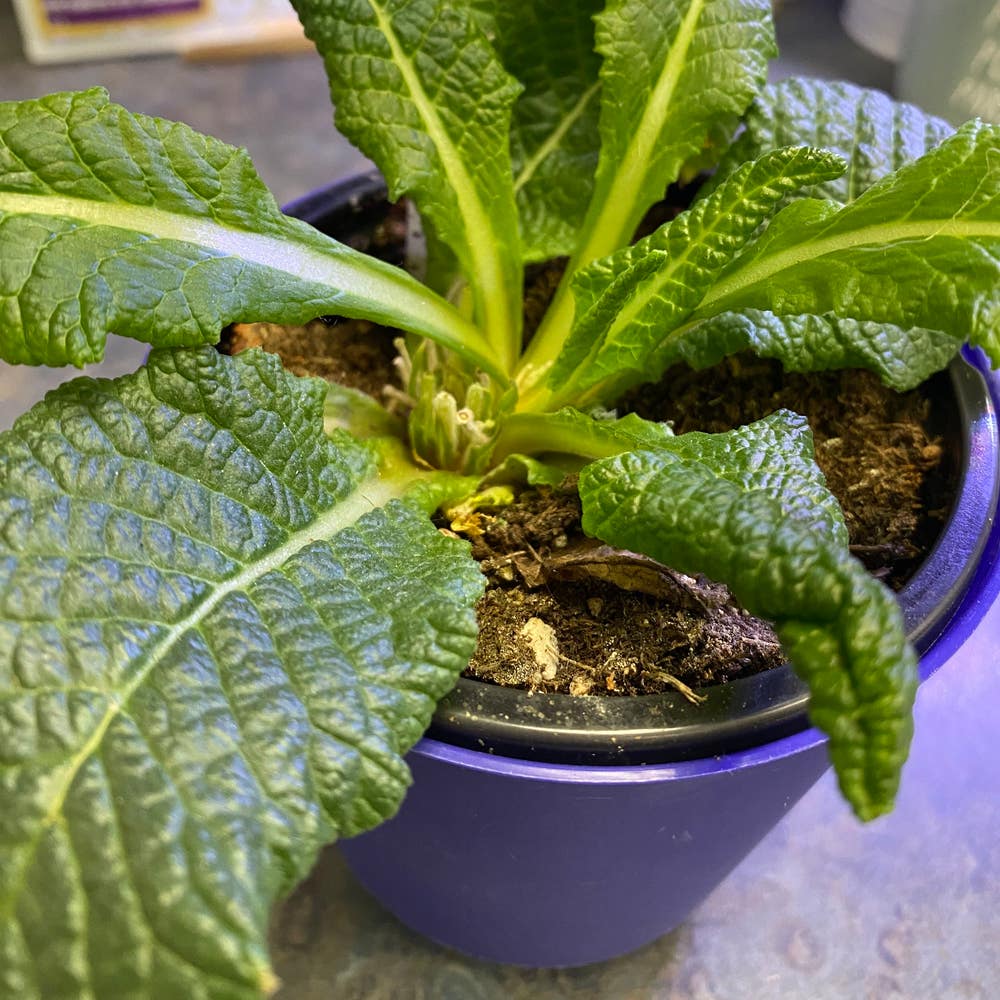
How to Know When to Repot a Common Primrose?
Primula vulgaris
By the Greg Editorial Team
Jun 18, 2024•3 min read
This article was created with the help of AI so we can cover more plants for you. May contain errors. See one? Report it here.
- Roots circling or peeking out? Time to repot your Primrose.
- 🌼 Post-bloom or early spring are ideal for repotting.
- Terracotta and drainage holes win for Primrose health.
Spotting the Telltale Signs Your Primrose is Cramped
🌱 Roots on the Run
Roots circling the pot or making a surprise appearance through drainage holes are your Primrose's version of waving a white flag.
🚧 Above Ground Alerts
Stunted growth and a drop in the floral fanfare? Your Primrose is likely feeling the squeeze.
💧 Water Woes
If water races through the pot like it's on a slip 'n slide, it's time to think repot, not just hydration.

Timing is Everything: When to Give Your Primrose a New Home
⏰ Post-Bloom Bliss
After the final flower fades, it's your cue. This is the moment your primrose dreams of expansiveness. Post-bloom, the plant's energy shifts from flowering to root development, making it the ideal time to repot. It's not just about giving your primrose a new pot; it's about giving it a new lease on life.
🌱 Spring into Action
Early spring brings a surge of growth, a botanical awakening. Your primrose is no exception. Repotting during this season capitalizes on the plant's natural growth cycle. Fresh soil in spring equals a buffet of nutrients, which translates to a happier, healthier primrose. Plus, the moderate temperatures and increased daylight support a smooth transition to a roomier residence.

The Repotting Rundown: A Step-by-Step Guide
🌱 Gentle Goodbyes
Gently coax your Primrose from its current pot, treating the roots with the care you'd give a vintage lace. It's not a jailbreak, but a finesse-filled transition.
🏺 Picking the Perfect Pot
When upsizing, think moderation. A pot just a size larger than the last is your sweet spot—enough room to grow without drowning in soil.
🌱 Soil and Settling In
Prep the new pot with well-draining soil, then settle your Primrose in, ensuring the top of the root ball is slightly proud of the soil level. No soil crowns here, just a snug fit.
🌿 Post-Repot Pampering
After the shuffle, your Primrose craves stability. Water it just right, give it the Goldilocks of sunlight, and keep the temperature steady. Watch it thrive, not just survive.

Choosing the Right Pot: Material Matters
🏺 Terracotta vs. Plastic: A Breathability Battle
Terracotta pots are the breathable choice, letting soil dry out like a sponge in the sun. They're the old-school gym socks of the pot world: not the prettiest but get the job done. Plastic pots, on the other hand, are like keeping your plant's roots in a sauna—moist and warm, which can be good or bad, depending on your watering habits.
🕳️ The Drainage Dilemma
Drainage holes are the unsung heroes in the pot saga. Skip them, and you're basically giving your Primrose a one-way ticket to Root Rot Central. Whether you choose terracotta or plastic, make sure those holes are there, or prepare for a soggy disaster.
Materials to Avoid
Glass and metal pots might look sleek on your Instagram feed, but they're the equivalent of a plant's straitjacket. They trap moisture and heat, turning your Primrose's home into a mini pressure cooker. Stick to materials that let your plant breathe and you'll avoid cooking your green buddy alive.
⚠️ Safety First
This content is for general information and may contain errors, omissions, or outdated details. It is not medical, veterinary advice, or an endorsement of therapeutic claims.
Always consult a qualified healthcare professional before using any plant as food, medicine, or supplement.
Never eat any plant (or feed one to pets) without confirming its identity with at least two trusted sources.
If you suspect poisoning, call Poison Control (800) 222-1222, the Pet Poison Helpline (800) 213-6680, or your local emergency service immediately.
Spotted an error? Please report it here.
Ensure your Primrose thrives in a new pot by letting Greg remind you when it's the ideal time to repot 🌿, based on your plant's specific growth and environment.