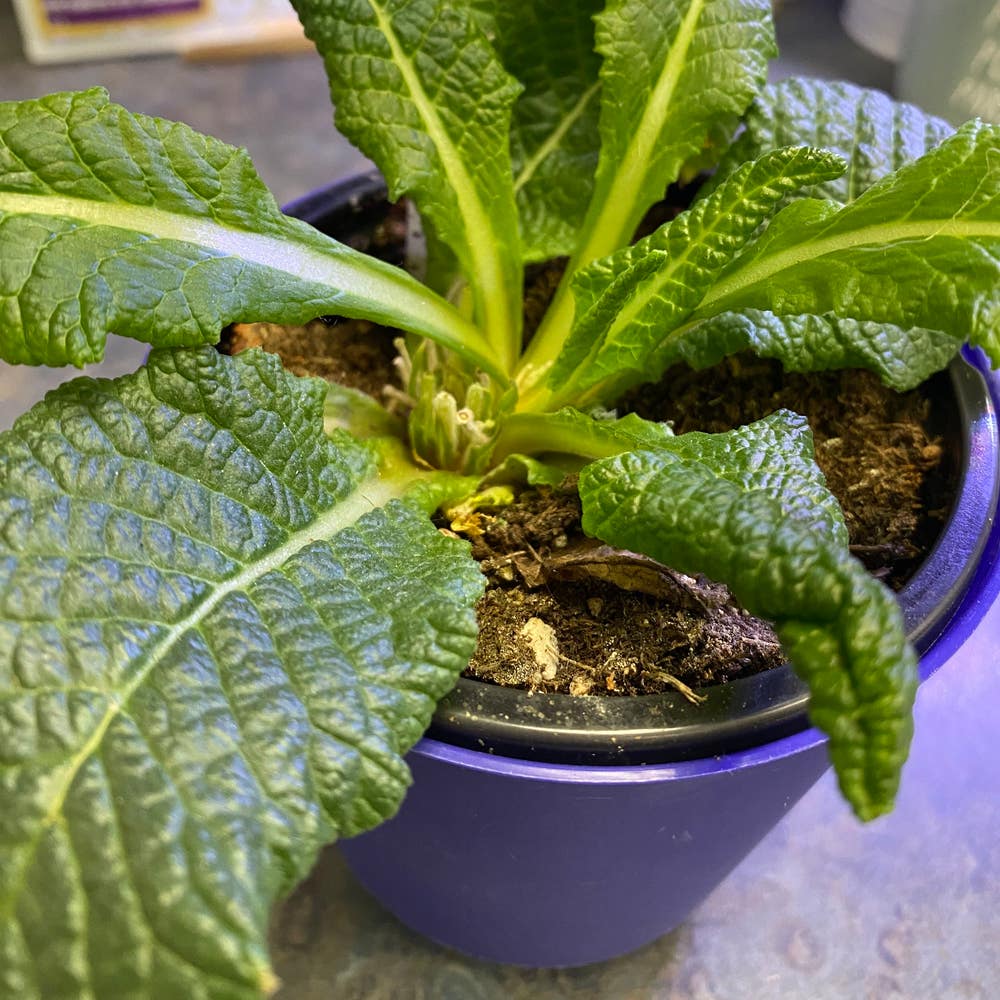
🌼 9 Plants That Love Growing with Common Primrose
Primula vulgaris
By the Greg Editorial Team
Sep 30, 2024•5 min read
This article was created with the help of AI so we can cover more plants for you. May contain errors. See one? Report it here.
- 🌼 Hostas and Astilbe thrive with Primrose, enhancing beauty and attracting pollinators.
- 🌿 Ferns and Lungwort maintain moisture, complementing Primrose's growth and health.
- 🌸 Avoid Lavender and Rosemary; they compete for moisture, harming Primrose's growth.
Best Companion Plants for Common Primrose
🌿 Plant 1: Hostas
Hostas are shade-loving perennials known for their large, lush leaves. They provide excellent ground cover, helping to retain moisture for Primrose while attracting pollinators with their summer flowers.
🌸 Plant 2: Astilbe
Astilbe features feathery flower plumes and thrives in moist, shaded conditions. This herbaceous perennial adds vertical interest and a beautiful color contrast to Primrose.
🍃 Plant 3: Ferns
Ferns are delicate, shade-loving plants that complement the low growth habit of Primrose. They help maintain soil moisture and contribute to a natural garden aesthetic.
💖 Plant 4: Bleeding Heart
Bleeding Heart is a unique perennial with heart-shaped blooms that flourish in spring. It prefers similar soil and moisture conditions as Primrose, creating a colorful display together.
🌼 Plant 5: Lungwort
Lungwort is an early-blooming perennial with spotted leaves that thrives in shade. It attracts pollinators and offers visual appeal with its unique foliage and flowers.
🎨 Plant 6: Coral Bells
Coral Bells are known for their colorful foliage and delicate flowers. They provide a vibrant color palette that enhances Primrose's blooms while thriving in similar moisture-retaining conditions.
🌊 Plant 7: Tiarella
Tiarella is a low-growing perennial with frothy flower spikes that bloom in spring. It prefers moist, shaded areas, making it a great addition to enhance garden diversity alongside Primrose.
🌅 Plant 8: Japanese Anemone
Japanese Anemone is a tall perennial that blooms late in summer. It adds height to the garden and thrives in partial shade, extending the blooming season alongside Primrose.
🌱 Plant 9: Sweet Woodruff
Sweet Woodruff is a fragrant ground cover with small white flowers. It helps suppress weeds, retains soil moisture, and attracts beneficial insects, enhancing biodiversity in your garden.
These companion plants not only thrive alongside Common Primrose but also create a vibrant, diverse garden ecosystem. Next, let’s explore which plants to avoid near Primrose to ensure a flourishing garden.
Plants to Avoid Near Common Primrose
🌿 Plant 1: Lavender
Lavender is a beautiful plant, but it prefers dry conditions. This can lead to competition for moisture, which is detrimental to moisture-loving Primrose.
🌱 Plant 2: Rosemary
Rosemary thrives in well-drained soil and full sun, making it a poor match for Primrose. This contrast can create competition for both nutrients and water, hindering the growth of your Primrose.
Avoiding these plants will help ensure your Primrose flourishes in its ideal environment. Next, let’s explore how companion plants can aid in pest management for a healthier garden.
Pest Management with Companion Plants
Companion plants play a crucial role in pest management by fostering a diverse ecosystem. This diversity attracts beneficial insects, which can help keep harmful pests at bay.
🌱 Creating a Diverse Ecosystem
By planting a variety of species, you create an environment that supports natural predators. These beneficial insects, such as ladybugs and lacewings, thrive in gardens with multiple plant types.
🔄 Disrupting Pest Life Cycles
Different plants emit various scents and have unique structures that can confuse pests. This disruption can hinder their life cycles, making it harder for them to establish themselves in your garden.
🚫 Specific Pest-Repelling Properties
Some companion plants have specific properties that deter pests. For instance, Astilbe is known to repel aphids, while ferns can attract predatory insects that feast on common garden pests.
🌼 Practical Applications
Incorporating these companion plants not only enhances your garden's health but also its beauty. By choosing the right combinations, you can create a thriving ecosystem that benefits both your Primrose and the surrounding flora.
With effective pest management strategies in place, your garden can flourish. Next, let’s explore how companion plants enhance the visual appeal and aesthetics of your garden.
Visual Appeal and Aesthetic Benefits
🌼 Enhancing Garden Aesthetics with Companion Plants
Companion plants can significantly enhance the visual appeal of your garden. By layering plants of varying heights and colors, you create a dynamic landscape that draws the eye.
🎨 Creating a Harmonious Color Palette
A well-chosen selection of companion plants can complement the vibrant blooms of Common Primrose. This harmonious color palette not only beautifies your garden but also creates a cohesive look that feels intentional and inviting.
🏗️ Strategies for Arranging Companion Plants
To maximize beauty and function, consider the following strategies when arranging your plants:
- Group by Height: Place taller plants at the back and shorter ones in front to ensure all are visible.
- Mix Textures: Combine plants with different leaf shapes and sizes for added interest.
- Consider Bloom Times: Arrange plants so that something is always in bloom, providing continuous color throughout the seasons.
🌸 Importance of Seasonal Blooms
Incorporating plants that bloom at different times ensures your garden remains visually appealing year-round. This strategy not only enhances aesthetic value but also keeps your garden lively and engaging through every season.
By thoughtfully selecting and arranging companion plants, you can create a stunning garden that showcases the beauty of Common Primrose while providing a feast for the eyes. Next, let’s explore how these companion plants can aid in pest management, ensuring your garden thrives.
⚠️ Safety First
This content is for general information and may contain errors, omissions, or outdated details. It is not medical, veterinary advice, or an endorsement of therapeutic claims.
Always consult a qualified healthcare professional before using any plant as food, medicine, or supplement.
Never eat any plant (or feed one to pets) without confirming its identity with at least two trusted sources.
If you suspect poisoning, call Poison Control (800) 222-1222, the Pet Poison Helpline (800) 213-6680, or your local emergency service immediately.
Spotted an error? Please report it here.
Create a vibrant garden oasis 🌿 by pairing Common Primrose with companions like Hostas and Astilbe, and let Greg guide you with tailored care reminders for thriving plants all season long!