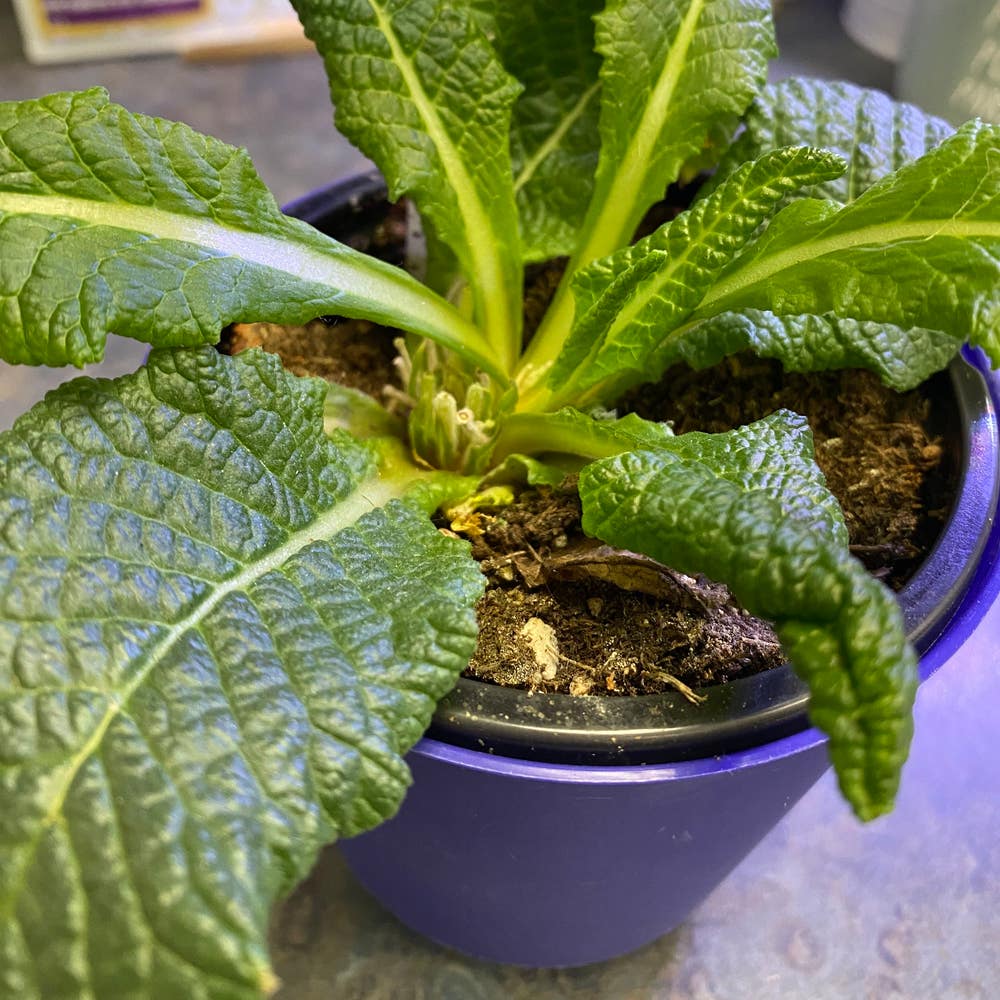
🐛 What To Do About Bugs on My Common Primrose?
Primula vulgaris
By the Greg Editorial Team
Jun 18, 2024•4 min read
This article was created with the help of AI so we can cover more plants for you. May contain errors. See one? Report it here.
- 🕷️ Spider mites leave silken threads; blast with water or use natural predators.
- 🛡️ Scale insects show as bumpy growths; remove with soapy water or biological control.
- 🌱 Regular inspections and hygiene prevent pest infestations on primrose plants.
Meet the Unwanted Guests: Common Pests on Common Primrose
🕷️ Spider Mites: The Sneaky Sap-Suckers
Tiny webbing on your primrose? Spider mites might be the culprits. These pests are sap-sucking party crashers that can cause significant damage if left unchecked.
🕵️ Spotting the signs
Look for fine silken threads or stippling on leaves. Spider mites are tiny, but their handiwork is unmistakable.
💪 Fight back
Blast them with water or introduce natural predators like ladybugs. For severe cases, miticides are your go-to, but consult a pro first.
🚪 Keep them out
Maintain high humidity and keep your plant clean. No vacancy for spider mites means a happy primrose.
🦟 Scale Insects: Sticky Foes
Scale insects are masters of disguise, often mistaken for part of the plant itself. They cling to stems and leaves, sapping the life out of your primrose.
🕵️ Unmasking scale
Check for bumpy growths on stems or leaves. These are scale insects in their protective shells.
⚔️ Scale skirmish
Isolate infested plants. Rub off scales with a soft brush and soapy water or employ parasitic wasps for biological control.
🛡️ Fortifying defenses
Preventive care is key. Keep your primrose healthy and inspect regularly to stop scale before they settle.
🦟 Fungus Gnats and Fruit Flies: The Flying Fiends
Fungus gnats and fruit flies are the uninvited guests of the insect world, turning your primrose into their personal playground.
🎣 Catching the culprits
Spot tiny flies around your plant? Time to take action. Yellow sticky traps are great for monitoring these pests.
✈️ Air raid
Keep soil dry and clean up organic debris. Use insecticides as a last resort, and always follow label instructions.
🚫 No-fly zone
Create an inhospitable environment by reducing moisture and covering soil with sand to deter egg-laying.
🐛 Mealybugs: The Fluffy Vandals
Mealybugs look like tiny cotton balls wreaking havoc on your primrose. They're not just unsightly; they're harmful.
🕵️ Mealybug mayhem
Check for white, fluffy clusters. That's the mealybugs' calling card.
🚔 Eradication expedition
Wipe them out with alcohol-dipped swabs or insecticidal soap. For a larger infestation, systemic treatments may be necessary.
🛡️ Mealybug-proofing
Keep a close eye on your plant and maintain good hygiene. Prevention is the best strategy against these fluffy vandals.
🦗 Other Frequent Invaders: Aphids, Thrips, and More
Aphids, thrips, and other pests also have a taste for your primrose. They're like the gatecrashers of the bug world.
🕵️ The usual suspects
Aphids are tiny but mighty, often found in groups. Thrips are slender and love to feed on flower buds.
🛡️ Custom countermeasures
For aphids, a strong water spray might do the trick. Thrips require more persistence—use insecticidal soaps or neem oil.
🛡️ Integrated defense
Build a comprehensive defense with regular care, natural predators, and appropriate insecticides when necessary. Your primrose will thank you.

Monitoring and Early Detection: Your First Line of Defense
🔍 Vigilance is Key: Regular Checks to Catch Pests Early
Vigilance is non-negotiable when it comes to the health of your Common Primrose. Like a plant guardian, you must conduct regular inspections to spot early signs of pest invasion. It's a simple equation: early detection equals easier management.
🚨 Signs and Symptoms: What to Look for During Your Plant Inspections
During your plant patrols, be on the lookout for unusual leaf spots, sticky residues, or fine webbing. These are red flags. Remember, the underside of leaves is a favorite hideout for pests, so make it a point to check there too.
🛠️ The Right Tools: Using Sticky Traps and Other Monitoring Aids
Sticky traps can be your secret weapon in the pest detection arsenal. They're like flypaper for bugs—set them up around your Primrose to catch the early birds of infestation. And don't underestimate the power of a magnifying glass; it brings the small skirmishes to light before they become full-blown wars.
Regularly playing detective with your plant can save you a world of trouble. Catch those critters early, and you'll be the hero in the saga of your Common Primrose.


⚠️ Safety First
This content is for general information and may contain errors, omissions, or outdated details. It is not medical, veterinary advice, or an endorsement of therapeutic claims.
Always consult a qualified healthcare professional before using any plant as food, medicine, or supplement.
Never eat any plant (or feed one to pets) without confirming its identity with at least two trusted sources.
If you suspect poisoning, call Poison Control (800) 222-1222, the Pet Poison Helpline (800) 213-6680, or your local emergency service immediately.
Spotted an error? Please report it here.
Eradicate pests from your primrose with smart care and Greg's 🛡️ timely alerts, ensuring your garden stays as vibrant and healthy as nature intended!