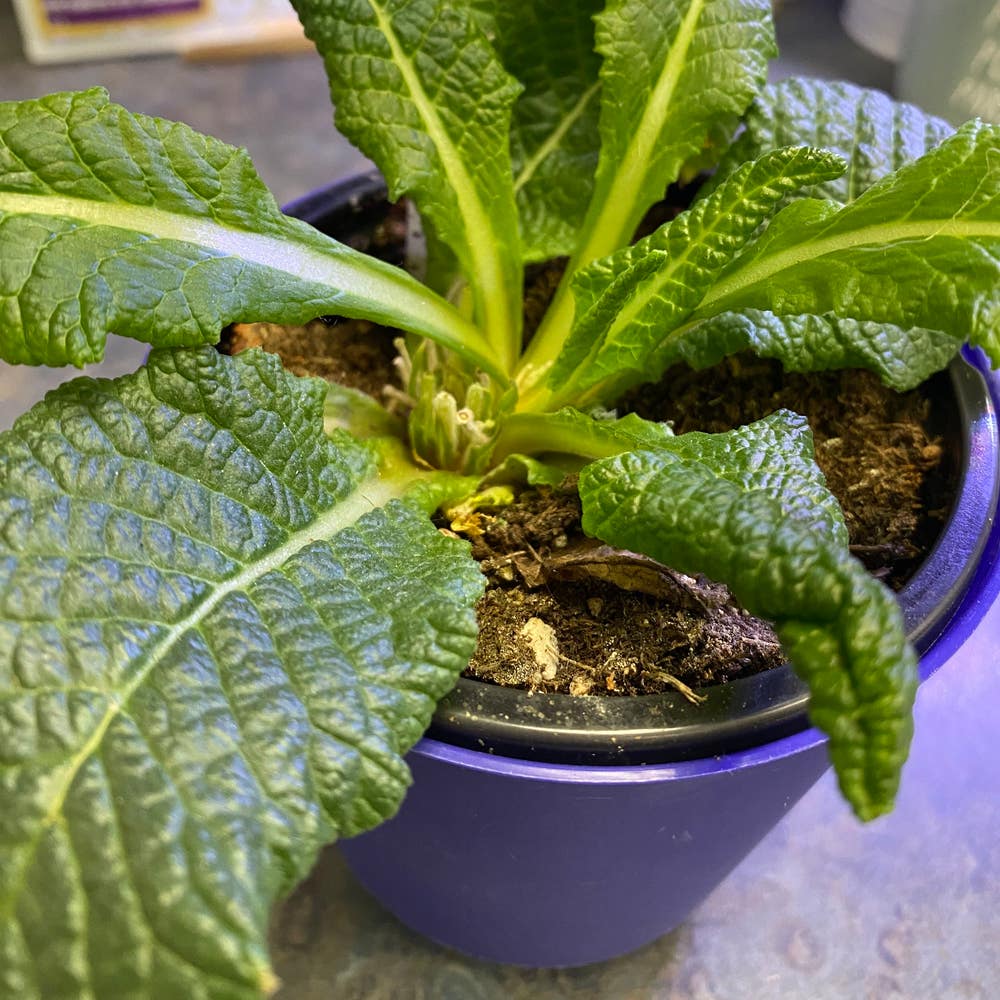
📏 Mature Height of Your Common Primrose
Primula vulgaris
By the Greg Editorial Team
Sep 30, 2024•4 min read
This article was created with the help of AI so we can cover more plants for you. May contain errors. See one? Report it here.
- 🌱 Common Primrose thrives in well-drained, moist soil and partial shade.
- ☀️ Full sun exposure accelerates growth, leading to larger plants.
- 📏 Mature height varies: dwarf types reach 6-12 inches, giants up to 24 inches.
Growth Rate
Average Growth Rate in Optimal Conditions 🌱
Common Primrose thrives best in well-drained, moist soil and partial shade. Under these optimal conditions, you can expect a moderate growth rate, though it can vary significantly based on specific environmental factors.
Comparison of Growth Rates in Different Environments ☀️
When comparing growth rates, full sun exposure often leads to faster growth than partial shade. However, the quality of soil plays a crucial role; nutrient-rich, well-aerated soil promotes healthier, quicker growth.
Timeframe to Reach Full Size ⏳
On average, Common Primrose takes about 1 to 2 years to reach full maturity. Keep in mind that this timeframe can fluctuate due to varying environmental conditions, such as light and moisture availability.
Understanding these growth dynamics can help you cultivate a thriving garden. Next, we’ll explore the fascinating size variability among different Primrose varieties.
Size Variability
Discussion of Dwarf Varieties 🌱
Dwarf varieties of Common Primrose are compact and perfect for smaller gardens. Typically, they reach a height of 6 to 12 inches and spread about 12 to 18 inches wide.
Giant Varieties 🌳
On the other hand, giant varieties can make a bold statement in any landscape. These can grow up to 24 inches tall and spread 18 to 24 inches, creating a striking visual impact.
Factors Contributing to Size Variability 📏
Size variability in Common Primrose stems from genetic diversity among the different varieties. Environmental factors, such as soil quality, light exposure, and water availability, also play a crucial role in determining how large these plants can grow.
Understanding these aspects can help you choose the right variety for your garden and optimize its growth conditions. As we explore the impact of growing conditions on size, you'll see how simple adjustments can lead to thriving plants.
Impact of Growing Conditions on Size
🌱 Soil Type and Its Effect on Growth
The type of soil plays a crucial role in the growth of Common Primrose. Well-drained, moist soil promotes healthy growth, while poor drainage can lead to root rot and stunted plants.
Soil pH and nutrient availability are also key factors. Ideally, a slightly acidic to neutral pH (around 6.0 to 7.0) supports optimal nutrient uptake, enhancing overall plant vigor.
☀️ Light Exposure and Its Influence on Size
Light exposure significantly impacts the size of Common Primrose. Plants in full sun tend to grow larger and more robust compared to those in partial shade.
However, the duration and intensity of light matter too. Too much direct sunlight can scorch leaves, while insufficient light can hinder growth, making it essential to find a balance.
💧 Watering Practices and Their Role in Size Control
Consistent moisture is vital for the health of Common Primrose. Regular watering ensures that the plants receive the hydration they need to thrive.
On the flip side, both overwatering and underwatering can negatively affect size. Overwatering can suffocate roots, while underwatering can lead to wilting and reduced growth, so striking the right balance is key.
Understanding these growing conditions can empower you to cultivate a thriving garden of Common Primrose. Next, let’s explore how you can control size through pruning and other methods.
Controlling Size through Pruning and Other Methods
✂️ Pruning Techniques for Size Management
Pruning is essential for managing the size of your Common Primrose. The best practice is to trim back dead or overgrown stems, which encourages new growth and maintains a tidy appearance.
Timing is crucial for effective pruning. Early spring is ideal for shaping the plant before it begins to bloom, while post-bloom pruning can help rejuvenate the plant for the next season.
🌱 Other Methods to Control Growth
In addition to pruning, consider using growth regulators if necessary. These can help manage excessive growth, but always follow the manufacturer's guidelines for application.
Plant spacing is another critical factor. Ensuring adequate space between plants allows for better air circulation and reduces competition for nutrients, helping to control size naturally.
⏰ Timing and Frequency of Pruning for Optimal Results
For optimal results, prune your Common Primrose annually or biannually. This regular maintenance helps keep the plant healthy and encourages robust growth.
Look for signs that indicate when to prune, such as leggy growth or a crowded appearance. These indicators suggest it's time to take action and maintain your plant's ideal size.
By implementing these techniques, you can effectively manage the size of your Common Primrose, ensuring it thrives in your garden. Next, let’s explore how different growing conditions impact the overall size of these beautiful plants.
⚠️ Safety First
This content is for general information and may contain errors, omissions, or outdated details. It is not medical, veterinary advice, or an endorsement of therapeutic claims.
Always consult a qualified healthcare professional before using any plant as food, medicine, or supplement.
Never eat any plant (or feed one to pets) without confirming its identity with at least two trusted sources.
If you suspect poisoning, call Poison Control (800) 222-1222, the Pet Poison Helpline (800) 213-6680, or your local emergency service immediately.
Spotted an error? Please report it here.
Unlock the full potential 🌼 of your Common Primrose with Greg's tailored care tips, ensuring it thrives with the perfect light, soil, and moisture for a stunning garden display!