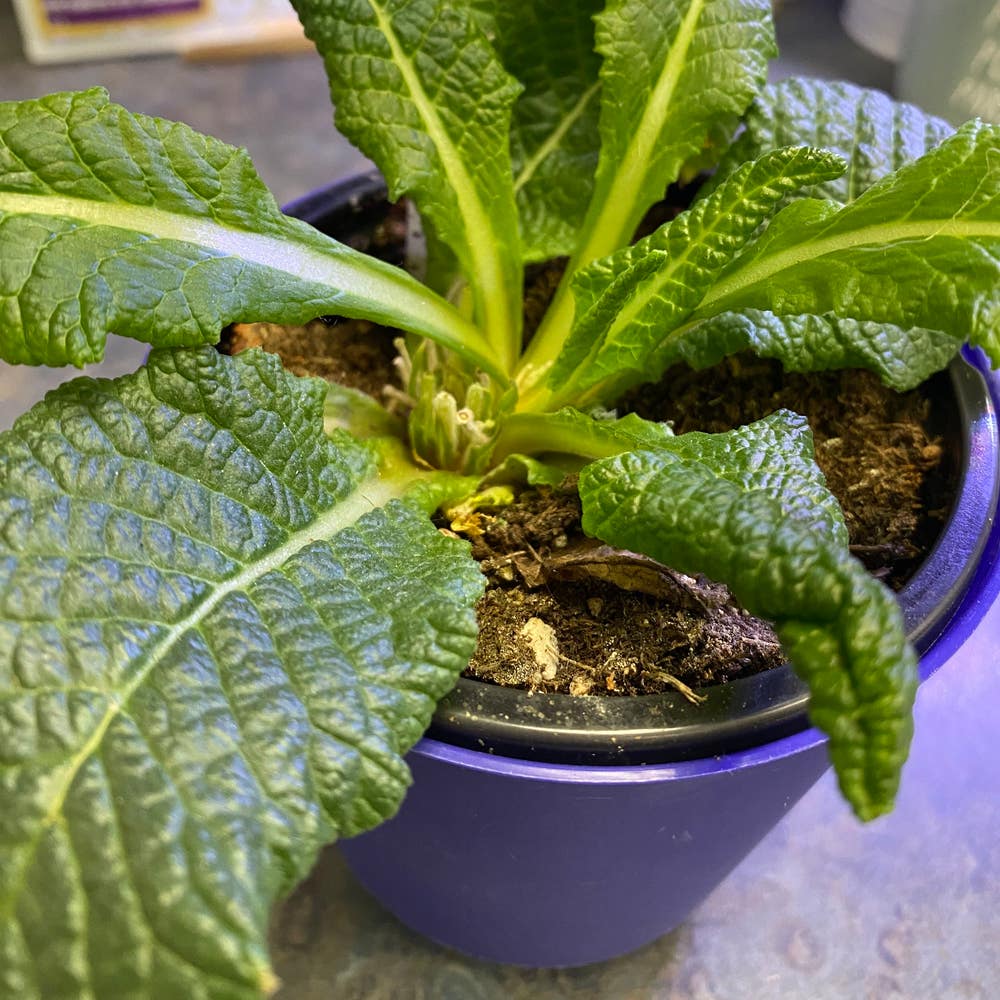
💧 How Much Should I Water My Common Primrose?
Primula vulgaris
By the Greg Editorial Team
Jun 18, 2024•5 min read
This article was created with the help of AI so we can cover more plants for you. May contain errors. See one? Report it here.
- 🌱 Check soil moisture with finger or probe before watering primroses.
- Morning/evening watering maximizes absorption, minimizes waste.
- Adjust for growth stages and seasons to keep primroses thriving.
When to Water Your Primrose: Finding the Sweet Spot
💧 Recognizing Thirsty Primroses
Primroses, like any plant, have a non-verbal way of shouting for water. Droopy leaves and a general look of despair are your cues to grab the watering can. But hold up—before you douse your plant, there’s a soil test to pass. Stick your finger into the soil up to the second knuckle; if it’s dry, your primrose is indeed parched. If it clings to your skin, it’s still sipping on the last round you poured.
🌡️ The Goldilocks Principle: Not Too Much, Not Too Little
Finding the hydration equilibrium for your primrose is more art than science. You want the soil moist, but not sopping wet. Think of it as the plant world's version of the perfect porridge temperature—not too hot, not too cold. A pot that feels heavier than a lead balloon likely means you've overdone it, while a pot light as a feather is a distress signal.
🌱 Assessing Soil Moisture Levels
A soil probe isn't just for the pros. It's a straightforward gadget that tells you, without any guesswork, whether your primrose's thirst is quenched. Plus, it aerates the soil, which is a bonus if you've been a little overzealous with the watering.
🚱 Symptoms of Over and Underwatering
Wilting can mean too much love or not enough. If the soil feels like a wet sponge, you've gone overboard. Dry as a bone? Your primrose is gasping. Yellow leaves can also be a sign of water stress, but don't jump to conclusions—check the soil before you act. Consistency is key; erratic watering can cause flower buds to drop faster than a hot potato.
🚿 Optimizing Watering Practices
Keep it simple. A consistent check of the soil moisture will save you from the drama of an overwatered or underwatered primrose. If the top inch of soil is dry, it's time for a drink. No need for a calendar reminder; your primrose will let you know when it's time.

How to Water Your Primrose Like a Pro
💧 The Art of Water Delivery
Choosing the right tool for watering your primrose is like picking the perfect instrument for a symphony—it needs to be just right. A watering can with a narrow spout is ideal, allowing you to direct water to the soil and not the leaves, because no one wants a soggy primrose. For those who prefer modern gadgets, a squeeze bottle can offer even more precision, targeting the soil without splashing the foliage.
🕒 The Timing Game
To maximize water absorption and minimize waste, the best times to water are early morning or late evening. Watering at these times reduces evaporation and gives your primrose the hydration it craves when the sun isn't beating down. Consistency is key—stick to a schedule that aligns with your plant's needs and the environmental conditions it's in. Remember, your primrose's thirst can change with the seasons, so stay observant and adjust accordingly.

Adapting to Your Primrose's Changing Needs
🌱 Growth Stages and Watering
Catering to your primrose's growth stages is like updating your wardrobe with the seasons—it's essential. In the spring, as your primrose bursts into growth, increase watering to support this floral fiesta. Transitioning into summer, maintain this hydration hustle to keep up with its blooming demands. But beware, overwatering is the silent killer of enthusiasm—root rot will crash the party.
🍂 Seasonal Shifts in Hydration
As autumn leaves fall, so should your watering frequency. Your primrose is winding down, and your watering can should follow suit. In the winter, it's all about maintenance—think of it as keeping the engine idling rather than racing. Morning watering remains your go-to ritual, ensuring the soil never dries out completely. Remember, your primrose isn't just surviving the seasons—it's living through them. Adjust your watering to match its lifecycle tempo.

Environmental Influences on Watering Frequency
🌿 Indoor vs. Outdoor Primrose Perks and Quirks
Indoor primroses live the pampered life, relying solely on you for their sips of water. In contrast, outdoor primroses can sometimes count on Mother Nature to help quench their thirst.
Potted indoor plants may need more frequent watering due to limited soil volume. Yet, they're also at risk of overwatering if not monitored closely. Outdoor primroses planted in the ground have more space to spread their roots, often resulting in less frequent watering needs.
🌦 Climate and Weather: The Unpredictable Variables
Climate and weather play a game of tug-of-war with your watering can. Hot, sunny days might have you reaching for it more often, while a cool, rainy week could mean a watering hiatus for your primroses.
Seasonal changes are like mood swings for your garden; they dictate when to ramp up or scale back on hydration. Winter's chill calls for restraint, while summer's blaze demands a more generous pour. Keep a keen eye on the forecast, and let it guide your watering rhythm.
⚠️ Safety First
This content is for general information and may contain errors, omissions, or outdated details. It is not medical, veterinary advice, or an endorsement of therapeutic claims.
Always consult a qualified healthcare professional before using any plant as food, medicine, or supplement.
Never eat any plant (or feed one to pets) without confirming its identity with at least two trusted sources.
If you suspect poisoning, call Poison Control (800) 222-1222, the Pet Poison Helpline (800) 213-6680, or your local emergency service immediately.
Spotted an error? Please report it here.
Ensure your common primrose never wears a look of despair by letting Greg's custom reminders 🌱 prompt you to check the soil's thirst and water with precision.