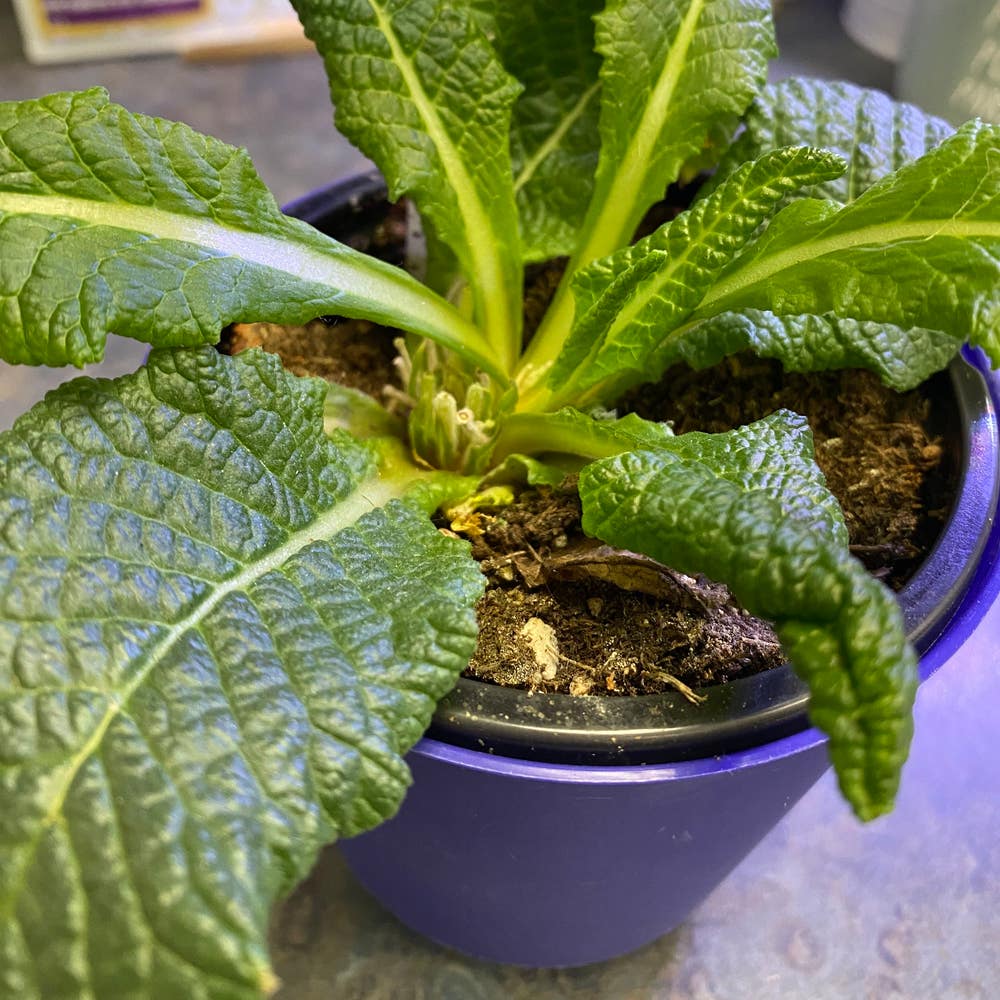
Your Common Primrose's Light Needs
Primula vulgaris
By the Greg Editorial Team
Jun 18, 2024•4 min read
This article was created with the help of AI so we can cover more plants for you. May contain errors. See one? Report it here.
- 🌤️ Partial shade outdoors protects Primrose from harsh sun.
- 🏡 South or east-facing windows best for indoor light.
- 💡 LED grow lights with blue and red wavelengths enhance growth.
Soaking Up the Sun: Outdoor Light Bliss
🌞 Finding the Sweet Spot
Identifying the optimal location for your Common Primrose outdoors is crucial. These beauties crave partial shade, basking in gentle sunlight without the harshness of midday exposure. To prevent your floral friends from wilting, aim for spots that offer a mix of sun and shade throughout the day.
Understanding the sun's patterns is like becoming a daylight detective. Your mission: to shield your Primrose during those peak sun hours when the light is more villain than hero. A location that relishes morning sun and slips into afternoon shade is your garden's prime real estate.
🌦 Weathering the Seasons
As the earth tilts and twirls, your Primrose's light needs will shift with the seasons. Summer's intense sun calls for extra shade, while winter's weak rays might necessitate a sunnier spot. Stay vigilant and ready to shuffle your plants as needed.
Using natural shade can be a game-changer. Trees, shrubs, and even the shadow of your home can provide dynamic sun protection. It's like having a set of natural sunglasses for your Primrose—stylish and functional.

Bringing the Sunshine In: Indoor Light Mastery
🌞 Window Wisdom
Finding the right window for your indoor Primrose is like picking the perfect seat in a movie theater—it can make or break the experience. South-facing windows are the VIP section, offering bright, direct light that's a favorite for these plants in the Northern Hemisphere. East-facing windows are the budget seats, providing a softer, indirect light that's still pretty good for avoiding leaf scorch.
To prevent your Primrose from getting too hot under the collar, diffuse direct sunlight with sheer curtains or blinds. It's like putting on a pair of sunglasses for your plant—protection without missing out on the light show.
⏰ Timing is Everything
Your Primrose isn't just soaking up rays for the tan; it needs the right amount of light to strut its stuff and flower. Aim for about 12 to 16 hours of light per day to hit the sweet spot for growth and blooming. Remember, it's not just about duration but also about mimicking natural day length—longer days in summer, shorter in winter.
Keep an eye on the clock and your plant's performance. If it's reaching for the stars (or the ceiling), it might be craving more light. If it's looking a bit sun-kissed (read: scorched), dial it back. Your Primrose will thank you with a show of flowers that'll make the effort worth it.

Let There Be Light: Grow Lights to the Rescue
💡 Choosing Your Champion
When it comes to grow lights for your Primrose, think of yourself as a matchmaker. You're not just picking a light; you're choosing a partner for your plant's photosynthesis dance. LED lights are the belle of the ball—energy-efficient, long-lasting, and gentle on your green friends. They offer a full spectrum, which means they can simulate natural sunlight, minus the risk of a sunburn for your delicate Primrose.
💡 Understanding the Spectrum
Your Primrose craves a particular light diet—blue and red wavelengths. Blue light keeps its foliage vigorous and healthy, while red light whispers sweet nothings to its flowers, coaxing them to bloom. It's like a love potion for plant growth, and getting the mix right is crucial.
💡 Setup and Scheduling
Imagine positioning your grow lights as setting the stage for a grand performance. The goal is to cast the spotlight so every leaf feels like a star. Keep the lights close enough for an intimate serenade but not so close that it gets too hot to handle.
💡 Creating a Lighting Schedule
Your Primrose's internal clock loves consistency. Mimic natural daylight by keeping grow lights on for about 12-16 hours a day. Use a timer to automate the show—your plant gets the right amount of light without any curtain call mishaps, and you save on your energy bill. It's a win-win.

⚠️ Safety First
This content is for general information and may contain errors, omissions, or outdated details. It is not medical, veterinary advice, or an endorsement of therapeutic claims.
Always consult a qualified healthcare professional before using any plant as food, medicine, or supplement.
Never eat any plant (or feed one to pets) without confirming its identity with at least two trusted sources.
If you suspect poisoning, call Poison Control (800) 222-1222, the Pet Poison Helpline (800) 213-6680, or your local emergency service immediately.
Spotted an error? Please report it here.
Keep your Common Primrose thriving 🌿 with Greg's personalized reminders to adjust light exposure, ensuring your blooms stay bright through the seasons.