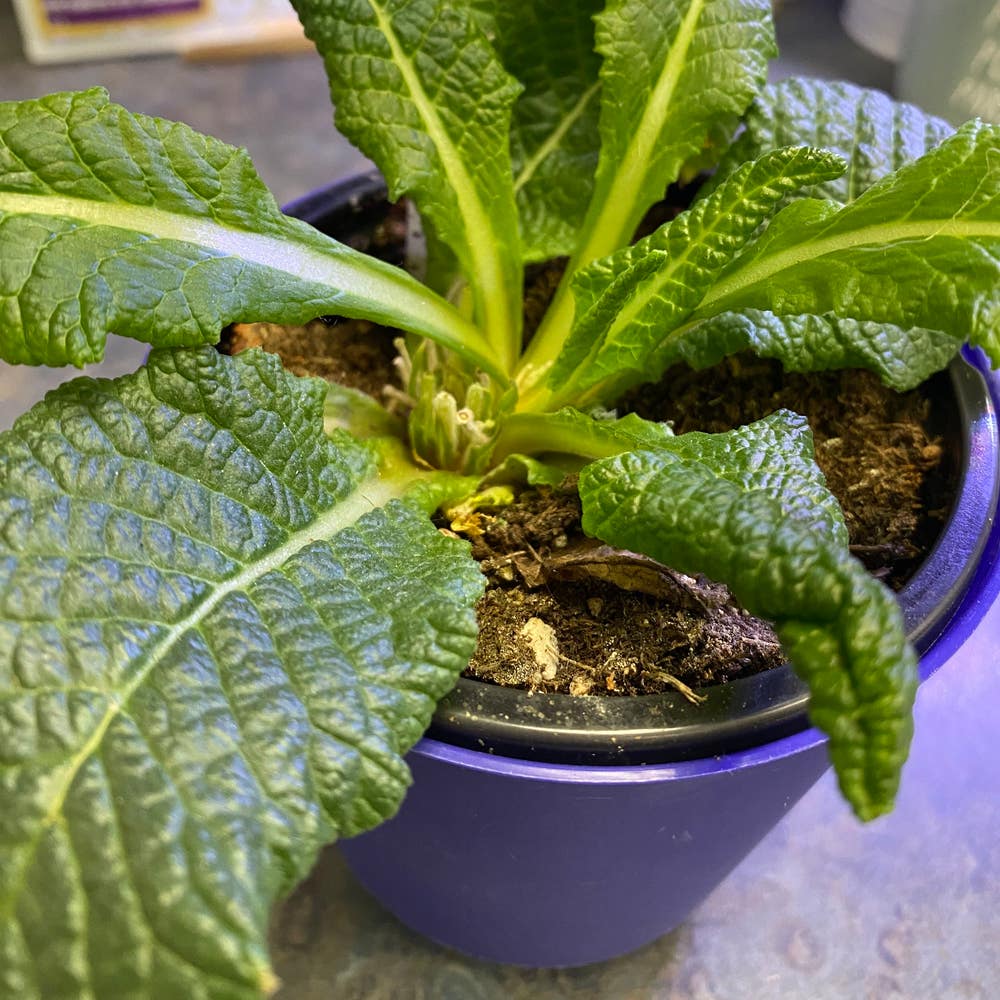
🌼 Common Primrose: Not an Annual
Primula vulgaris
By the Greg Editorial Team
Sep 30, 2024•5 min read
This article was created with the help of AI so we can cover more plants for you. May contain errors. See one? Report it here.
- 🌼 Common Primrose is a perennial, thriving year-round with vibrant blooms in spring.
- 🌱 Robust root systems and proper care ensure longevity and adaptability in various conditions.
- 🐝 Attracts pollinators, enhancing garden biodiversity and supporting local ecosystems.
Common Primrose as a Perennial
🌱 Genetic Characteristics
The Common Primrose, scientifically known as Primula vulgaris, is a fascinating perennial. Its genetic makeup equips it with unique adaptations that promote longevity and resilience.
These adaptations include a robust root system that not only anchors the plant but also enhances its ability to thrive in various conditions. This resilience is key to its perennial nature, allowing it to withstand seasonal changes.
🍃 Physiological Traits Supporting Perennial Growth
One of the standout features of the Common Primrose is its leaf structure. The plant forms rosettes that persist throughout the year, providing a lush green backdrop even in winter.
Additionally, its deep and extensive root system plays a crucial role in nutrient storage. This characteristic not only supports growth but also grants the plant drought resistance, making it a reliable choice for gardeners.
🌼 Lifecycle and Growth Patterns
The lifecycle of the Common Primrose is marked by a period of dormancy in winter, followed by vibrant blooms in early spring. This seasonal rhythm is a hallmark of its perennial nature.
Over the years, the plant exhibits gradual expansion and clumping, creating a fuller appearance. This growth pattern not only enhances its visual appeal but also contributes to its overall health and vitality.
As we explore the lifecycle comparison, we’ll delve into how these traits influence flowering and seed production.
Lifecycle Comparison
Differences in Flowering and Seed Production 🌸
Common Primrose, or Primula vulgaris, stands out as an early spring bloomer. Unlike many annuals that burst into bloom during the summer, these perennials grace gardens with their vibrant flowers as winter fades.
Seed production in Common Primrose primarily occurs through its robust root systems. While self-seeding can happen, the plant's main strategy revolves around its perennial nature, ensuring survival and growth year after year.
Reproductive Strategies 🌱
Common Primrose employs both asexual and sexual reproduction strategies. Asexual reproduction occurs through root division and offsets, allowing the plant to spread efficiently.
On the other hand, sexual reproduction involves seed production and various dispersal mechanisms. This dual approach enhances its adaptability and resilience in diverse environments, making it a reliable choice for gardeners.
As we explore the misconceptions surrounding Common Primrose, it's essential to understand how its lifecycle and reproductive strategies contribute to its classification as a perennial.
Misconceptions and Exceptions
🌨️ Conditions Where Common Primrose May Be Treated as an Annual
In harsh winter climates, the Common Primrose can sometimes be mismanaged, leading gardeners to treat it as an annual. This perception often arises when the plant fails to survive the cold, which can be attributed to inadequate care or environmental stressors.
Poor soil conditions can also impact the growth and survival rates of Common Primrose. If the soil lacks nutrients or drainage, the plant may struggle, further reinforcing the misconception that it is an annual.
🌍 Regional Variations Affecting Classification
Geographic influences play a significant role in how Common Primrose behaves. Variations in climate and soil types can affect its perennial nature, causing it to thrive in some regions while faltering in others.
Local gardening practices often contribute to misunderstandings about the plant. Misconceptions about its care and requirements can lead to incorrect treatment, causing gardeners to mistakenly classify it as an annual rather than recognizing its true perennial potential.
Understanding these nuances can help gardeners appreciate the resilience of Common Primrose and ensure its longevity in their gardens. As we explore gardening implications next, we'll see how to harness its beauty and benefits effectively.
Gardening Implications
🌼 Advantages in Garden Design
Common Primrose, with its vibrant early spring blooms, adds a splash of color to any garden. Its lush foliage not only enhances visual appeal but also creates a lively atmosphere as the seasons change.
Beyond aesthetics, these perennials play a crucial role in supporting local ecosystems. They attract pollinators like bees and butterflies, fostering biodiversity in your garden.
📅 Planning for Perennial Growth
When incorporating Common Primrose into your garden, consider spacing carefully. This allows each plant to thrive without competing for resources, ensuring a healthy, flourishing display.
Companion planting can also enhance growth and resilience. Pairing Primrose with other perennials can create a dynamic garden that offers seasonal interest throughout the year.
Long-term planning is essential for integrating Common Primrose into perennial beds. Think about how these plants will evolve over time, ensuring they have the space and conditions to flourish for years to come.
With thoughtful design and planning, your garden can become a vibrant sanctuary, showcasing the beauty and benefits of Common Primrose.
Maximizing Longevity
Tips for Managing as a Perennial 🌱
To ensure your Common Primrose thrives, start with the right soil. It prefers well-draining, nutrient-rich soil that supports its growth.
Consistent moisture is key, but avoid waterlogging. This balance helps the plant establish a strong foundation for longevity.
Best Practices for Long-term Health and Flowering 🌼
A regular fertilization schedule can work wonders. Opt for organic options to nourish your Primrose without overwhelming it.
Pruning and deadheading are essential practices. They encourage continuous blooming and maintain the overall health of your plant.
By following these tips, you can enjoy the beauty of Common Primrose for many seasons to come. Next, let’s explore the gardening implications of incorporating this perennial into your landscape.
⚠️ Safety First
This content is for general information and may contain errors, omissions, or outdated details. It is not medical, veterinary advice, or an endorsement of therapeutic claims.
Always consult a qualified healthcare professional before using any plant as food, medicine, or supplement.
Never eat any plant (or feed one to pets) without confirming its identity with at least two trusted sources.
If you suspect poisoning, call Poison Control (800) 222-1222, the Pet Poison Helpline (800) 213-6680, or your local emergency service immediately.
Spotted an error? Please report it here.
Unlock the perennial beauty of Common Primrose 🌼 with Greg's tailored care tips that ensure your plant thrives through every season!