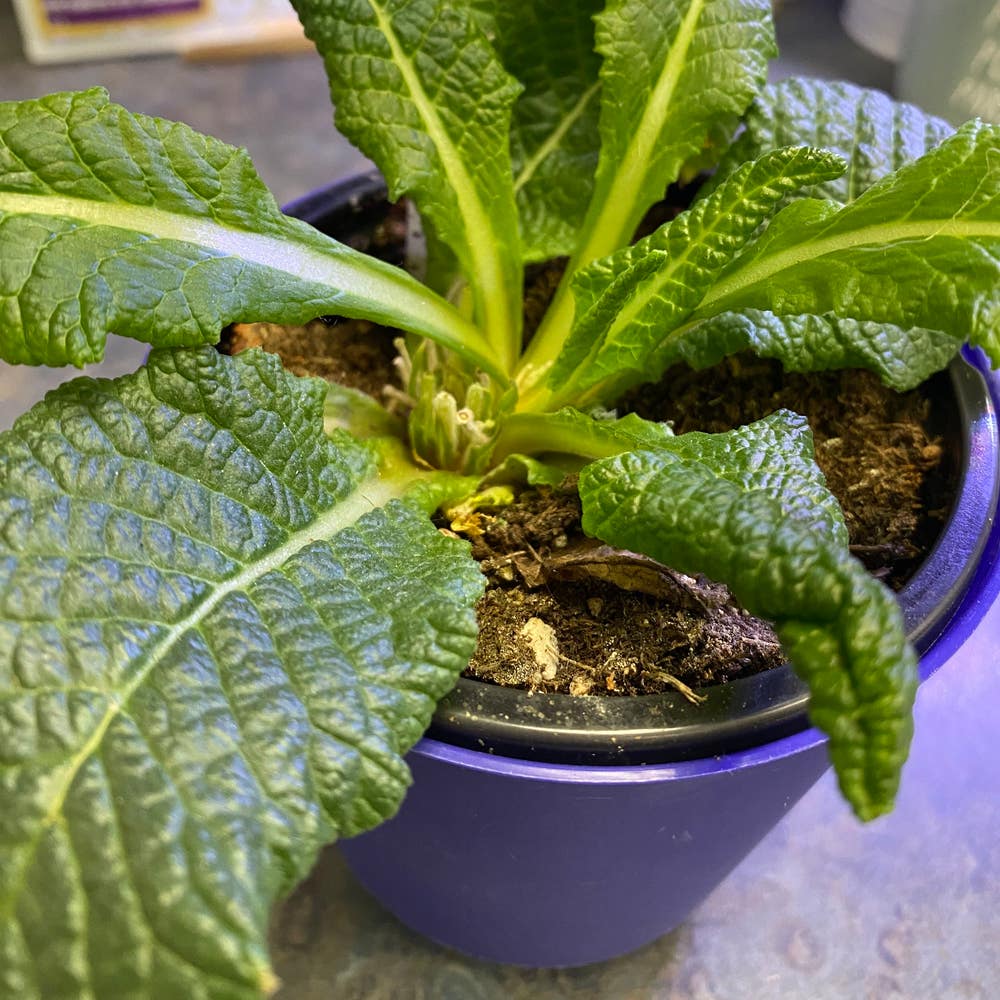
Am I Starving My Common Primrose? Fertilizing 101
Primula vulgaris
By the Greg Editorial Team
Jun 18, 2024•5 min read
This article was created with the help of AI so we can cover more plants for you. May contain errors. See one? Report it here.
- 🌸 Organic vs. Synthetic: Gradual release or immediate boost, choose wisely.
- NPK Ratio Matters: Lower nitrogen, higher phosphorus for vibrant Primrose blooms.
- Seasonal Fertilizing: Monthly in spring, less in cooler months for optimal growth.
Choosing the Right Fertilizer for Your Primrose
🌱 Organic vs. Synthetic: Which is Best for Blooms?
Organic fertilizers are the tortoises in the race—slow and steady. They release nutrients gradually, mimicking nature's rhythm, and are less likely to cause chemical burns or overfeeding. Plus, they're eco-friendly, which is always a win. But patience is key; they're not the quick fix if your Primrose is in dire need of a nutrient pick-me-up.
On the other side, synthetic fertilizers are the hares—fast and efficient. They provide an immediate nutrient boost, perfect for that sudden growth spurt. However, they come with a caveat: the risk of overfeeding is real, and the environmental impact is not to be ignored. It's like giving your plant an energy drink—great in a pinch, but not a long-term diet plan.
🌼 Decoding NPK: What Does Your Primrose Crave?
The NPK ratio is like a secret code to your Primrose's happiness. Nitrogen (N) is for lush leaves, Phosphorus (P) for punchy blooms, and Potassium (K) for overall plant wellness. For a blooming Primrose, aim for a lower nitrogen count; we're talking more P than N and K. Think ratios like 2-5-4 or 3-5-5. It's the phosphorus that's the bloom booster here, so don't skimp on it.
🌿 Micronutrients Matter Too
Micronutrients are the unsung heroes. Iron and manganese might not get the limelight like NPK, but they're pivotal for your Primrose's bloom vitality. A well-rounded fertilizer isn't just about the big three; it includes these microscopic marvels too. But remember, more isn't merrier with micronutrients—overdoing it can be as detrimental as neglect.

Timing is Everything: When to Fertilize
🌱 Growth Stages and Fertilizer Timing
Bud formation and flowering are pivotal moments for your Common Primrose. Kickstart your fertilizing routine post-pruning, typically in late winter or early spring. This aligns with the plant's natural cycle, providing nutrients when they're most needed.
🌷 Seasonal Fertilizing Tips
As the seasons change, so should your fertilizing schedule. Spring is a signal to begin monthly fertilization, supporting the vigorous growth and upcoming blooms. Once summer ends, it's time to ease up. Over-fertilization in the cooler months can lead to a sluggish plant, too bloated for blooming.
Remember, these aren't strict rules. Keep an eye on your Primrose's growth—if it's still active in the fall, a light feeding may be beneficial. Conversely, if growth slows, it's a sign to hold back. Stay flexible and adjust as needed.

The Art of Application: How to Fertilize Properly
💊 Getting the Dose Right
Less is more when it comes to fertilizing your Common Primrose. Over-enthusiasm with plant food can lead to a nutrient overdose, leaving your blooms in distress. Stick to the script—the recommended dosage on the product's label is your best bet. Typically, a teaspoon of liquid fertilizer diluted in water is sufficient for a potted plant. As for frequency, a monthly treat during the growing season should suffice, but ease off as your Primrose enters its dormant phase.
🎯 Application Techniques for Maximum Uptake
When applying fertilizer, think of it as a covert operation—stealth and precision are key. Water your Primrose before you fertilize to prevent root burn and ensure nutrients are evenly distributed. Pour the diluted solution directly onto the soil, avoiding the leaves like they're lava. If you're feeling adventurous, consider foliar feeding with a fine mist spray, but only during the cool morning hours to avoid leaf sunburn. Remember, the goal is a thriving, not diving, Primrose.

Recognizing and Fixing Fertilization Faux Pas
💡 Telltale Signs of Over-Fertilization
Yellowing leaves or a white crust on the soil are like flashing neon signs of over-fertilization. If your Primrose is sporting brown leaf tips or its roots look like they've been through a rough night, you've likely gone too heavy on the feeding. And when flowers are more myth than reality, it's a clear signal you've crossed the line.
💡 Nutrient Deficiencies: The Bloom Blockers
On the flip side, if your Primrose's blooms are playing hide and seek, you might be dealing with a nutrient deficiency. It's not about throwing more fertilizer at the problem; it's about hitting the bullseye with the right nutrients. Think of it as a detective game where yellow leaves could point to a nitrogen deficit, while weak stems or slow growth might be crying out for phosphorus and potassium.
💡 The Fix: Balancing Act
Caught in the act of over-fertilization? Flush the soil with water to give your plant a much-needed detox. Make sure your pots have drainage holes to avoid trading one problem for another. For deficiencies, it's not about dumping more food on the problem; it's about finding the right nutrient to patch the gap.
💡 Preventing Fertilization Fiascos
Prevention is your best friend here. Use a liquid fertilizer that you can control like a DJ with a soundboard—dilute and mix to perfection. Remember, more is not always better. It's like seasoning food; the right amount can enhance, but too much ruins the dish.
💡 When to Adjust Your Approach
If your Primrose is looking more like a sad fern in a Shakespearean tragedy, it's time to adjust your fertilization strategy. Cut back on the frequency, switch up your fertilizer type, or consider soil amendments. It's all about finding that sweet spot where your plant thrives without going into nutrient shock.
⚠️ Safety First
This content is for general information and may contain errors, omissions, or outdated details. It is not medical, veterinary advice, or an endorsement of therapeutic claims.
Always consult a qualified healthcare professional before using any plant as food, medicine, or supplement.
Never eat any plant (or feed one to pets) without confirming its identity with at least two trusted sources.
If you suspect poisoning, call Poison Control (800) 222-1222, the Pet Poison Helpline (800) 213-6680, or your local emergency service immediately.
Spotted an error? Please report it here.
Keep your Primrose blooming at its best 🌺 with Greg's personalized reminders that ensure you fertilize just right, avoiding over or underfeeding for a vibrant display.