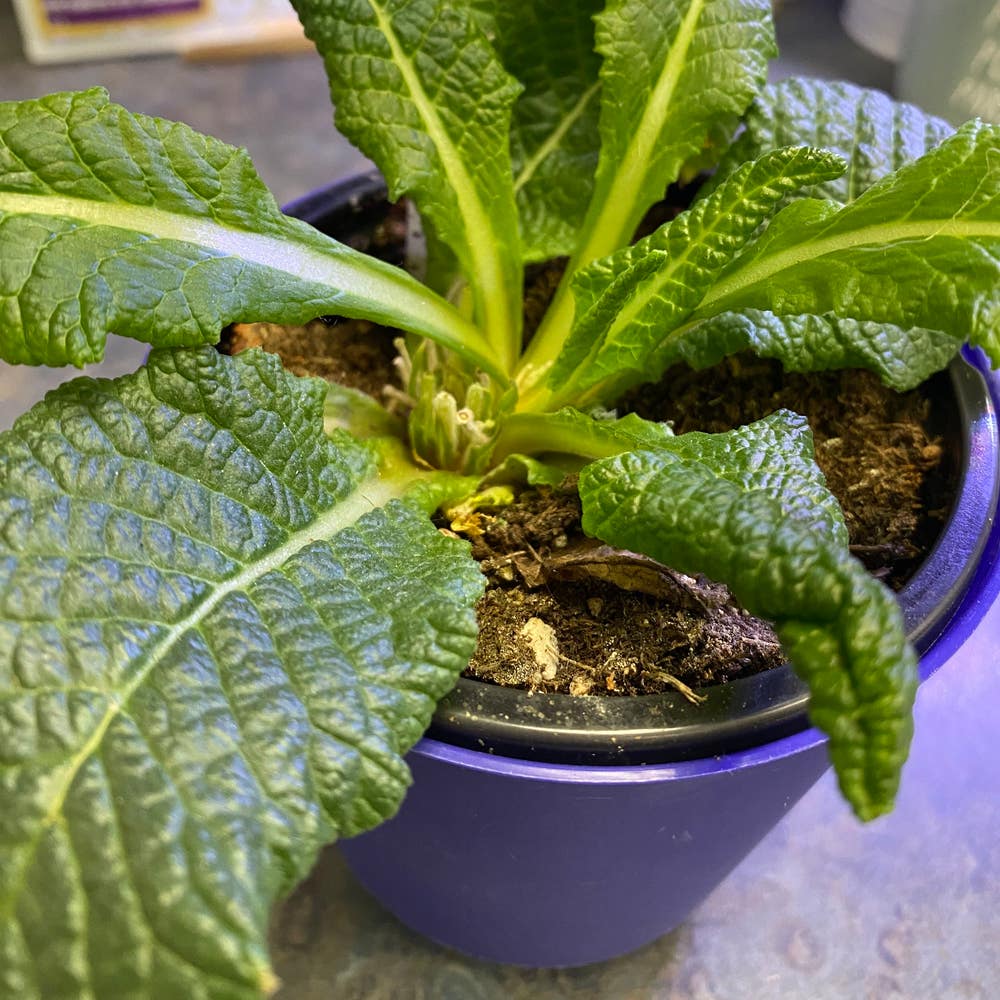
Best Soil for Common Primrose
Primula vulgaris
By the Greg Editorial Team
Jun 18, 2024•4 min read
This article was created with the help of AI so we can cover more plants for you. May contain errors. See one? Report it here.
- Mold and yellow leaves signal soil distress; fix by drying out and adding perlite.
- Ideal mix: peat moss, perlite, compost; ensures moisture, aeration, and nutrients.
- Monitor pH 5.5-6.5 for primrose health; adjust with sulfur or lime as needed.
Spotting Trouble: When Soil Goes Bad
🚩 Recognizing the Red Flags
Mold in your Common Primrose pot is like an unwanted guest at a party—it's a clear sign of distress. Look for a colorful fuzz or a musty smell that screams "trouble." Yellowing leaves or brown tips? Your plant's flashing a red flag. If the soil smells like last week's forgotten leftovers, decay has set in.
🛠 Fixing the Issues
Immediate action is required to save your soil—and your Primrose. Start by removing visible mold; it's like cutting out the rot to save the good. Cut back on watering; let the soil dry out between sessions. If the mold returns, it's time for a soil intervention. Mix in more perlite or pumice to improve drainage and aeration. Remember, the right moisture balance is key—too much, and you're asking for trouble.

The Perfect Blend: Crafting Your Primrose Potting Mix
💪 The Must-Have Ingredients
Creating the ideal potting mix for your Common Primrose is like assembling a team of superheroes, each with its own special power. Peat moss is your hydration hero, locking in moisture while keeping the soil light. Perlite is the sidekick for aeration, ensuring roots can breathe and water drains effectively. And don't forget the compost, the nutrient ninja, enriching the soil with all the good stuff your Primrose craves.
Mixing It Up at Home
Ready to get your hands dirty? Here’s a no-fuss guide to concocting that primo Primrose potting mix:
- Scoop up 2 parts of peat moss; it’s the base that keeps things moist.
- Throw in 1 part perlite for that airy structure; think of it as the crunch in your soil sandwich.
- Sprinkle in 1 part compost for a nutrient boost; it's like a multivitamin for your plants.
- Mix it all together like you're a DJ blending the perfect track. Uniformity is key.
- Feel the mix; it should be fluffy and light, like the soil equivalent of a cloud.
Remember, the right soil mix doesn't just support your Primrose; it elevates it, giving it a foundation to thrive and bloom with gusto.

Commercial Mixes: Picking the Right Bag
🌱 What to Look For
When hunting for the right commercial potting mix for your Common Primrose, think of it as a matchmaking exercise. You want a mix that's light as a feather yet robust enough to support your plant's needs. Drainage is your top priority; without it, you're inviting soggy roots and a whole host of issues. Look for ingredients like perlite or pumice that guarantee a well-aerated abode for your plant's roots.
Organic matter should be plentiful. A mix boasting compost or worm castings is akin to a gourmet buffet for your Primrose. It's not just about survival; it's about flourishing. And don't forget about pH; limestone should be on the ingredient list to keep things balanced. If the bag is silent on pH, give it a pass.
🌟 Top Picks for Primrose
Now, let's talk brands. If you're eco-conscious, Nature's Care is a solid pick, marrying environmental stewardship with plant prosperity. But remember, organic isn't a synonym for perfection. Your Primrose might crave a little extra something.
For those who prefer the crème de la crème, consider a premium mix that includes charcoal or biochar for that detoxifying edge. And don't overlook cactus mixes; with a bit more organic matter, they can be a quick fix for your Primrose.
In the end, even the best commercial mix may require a personal touch. Don't be shy about adding a sprinkle of this or a handful of that to meet the diva demands of your Primrose. After all, gardening is both an art and a science.

Balancing Act: Getting the pH Just Right
🧪 Testing the Waters
Testing soil pH isn't a high school science experiment—it's essential plant parenting. Grab a home testing kit or a digital pH meter. Just stick it in the soil, and voila, you've got your number. Precision matters, so don't eyeball it.
🛠 Making Adjustments
Got a pH that's out of whack? Time to channel your inner chemist. Lowering pH? Sulfur or peat moss will do the trick. Need to raise it? A sprinkle of lime is your friend. It's like fine-tuning a recipe until it's just right. Remember, the Common Primrose digs a pH between 5.5 and 6.5—keep it in this sweet spot for happy blooms.
Regular checks are non-negotiable. Don't set and forget; retest to ensure your soil's pH stays on point. If you're using tap water, check its pH too—it can throw a wrench in your carefully balanced soil mix. And if you're feeling fancy, Dolomite Lime is the long-term pH stabilizer you never knew you needed.
⚠️ Safety First
This content is for general information and may contain errors, omissions, or outdated details. It is not medical, veterinary advice, or an endorsement of therapeutic claims.
Always consult a qualified healthcare professional before using any plant as food, medicine, or supplement.
Never eat any plant (or feed one to pets) without confirming its identity with at least two trusted sources.
If you suspect poisoning, call Poison Control (800) 222-1222, the Pet Poison Helpline (800) 213-6680, or your local emergency service immediately.
Spotted an error? Please report it here.
Achieve a vibrant bloom 🌺 with your Common Primrose by using Greg to balance soil moisture and pH, ensuring your plant's foundation is as healthy as it can be.