🌼 Why Common Primrose Is A Perennial Plant
Primula vulgaris
By the Greg Editorial Team
Sep 30, 2024•5 min read
This article was created with the help of AI so we can cover more plants for you. May contain errors. See one? Report it here.
- 🌼 Common Primrose thrives for years, showcasing vibrant blooms each spring.
- 🌍 Adaptable to various climates, it requires less replanting than annuals.
- 🌱 Strong roots ensure resilience, making it drought-tolerant and visually appealing.
Characteristics of Common Primrose as a Perennial
🌱 Multi-Year Lifecycle
Common Primrose is a true perennial, thriving for multiple years with a reliable regrowth cycle. Each year, it regenerates from the same root system, ensuring stability and continuity in growth.
📈 Growth Patterns
Seasonal Growth
This plant bursts into life in early spring, showcasing vibrant yellow flowers that brighten any garden. Its blooming period is a delightful reminder that warmer days are ahead.
🍃 Leaf Structure
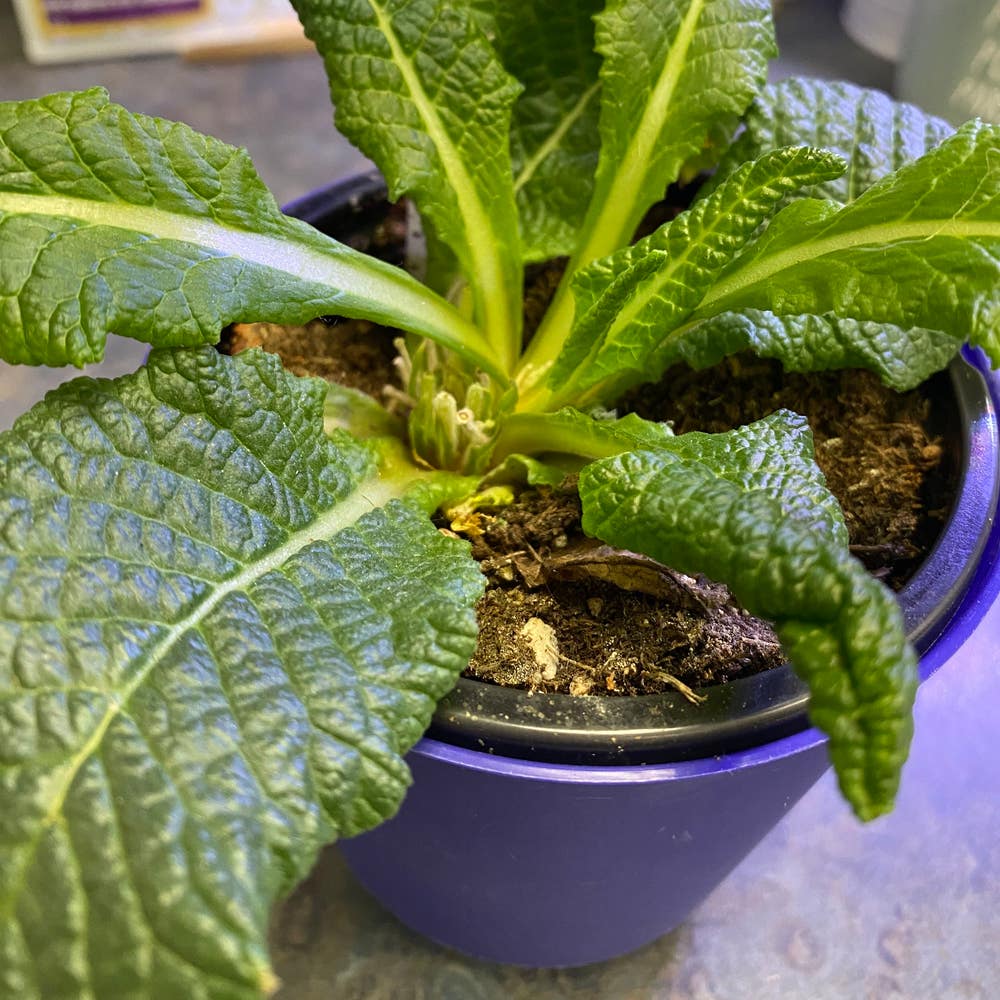
The leaves form a rosette pattern, persisting throughout the growing season. This structure not only adds visual interest but also supports the plant's overall health.
🌍 Adaptability
Common Primrose is remarkably adaptable, thriving in various temperate climates. This versatility enhances its perennial nature, making it a favorite among gardeners.
With its unique lifecycle and growth patterns, Common Primrose sets the stage for understanding its seasonal changes and dormancy. Let's explore how these factors influence its beauty and resilience.
Seasonal Changes and Dormancy
Dormancy Periods 🌙
Common Primrose experiences a winter dormancy where its foliage may die back, but the roots remain alive and healthy. This phase typically occurs during colder months, allowing the plant to conserve energy for the upcoming growing season.
Seasonal Changes Affecting Growth and Flowering 🌼
As spring arrives, Common Primrose undergoes a remarkable resurgence of growth and flowering. The rising temperatures signal the plant to awaken, leading to vibrant blooms that brighten gardens.
Seasonal weather plays a crucial role in this process. Variations in temperature and moisture can significantly influence blooming patterns, making it essential for gardeners to monitor these changes closely.
Understanding these seasonal dynamics helps in planning for a flourishing garden. By recognizing the plant's dormancy and growth cycles, you can better appreciate the beauty of Common Primrose throughout the year.
With this knowledge, you're well-equipped to transition into the next topic: the advantages of its perennial nature.
Advantages of Perennial Nature
🌱 Benefits for Gardeners
One of the standout advantages of Common Primrose is its reduced need for replanting. Once established, this perennial thrives year after year, saving gardeners time and effort compared to annuals.
Additionally, the plant boasts strong root systems that enhance its resilience. These established roots not only support growth but also contribute to drought tolerance, making it a reliable choice for various garden conditions.
⏳ Expected Lifespan and Longevity Factors
Common Primrose can live for over five years with the right care. This longevity is a significant draw for gardeners looking for lasting beauty in their landscapes.
Several factors influence its lifespan, including soil quality, moisture levels, and climate conditions. Ensuring optimal growing conditions can lead to a flourishing, long-lived plant that continues to brighten your garden for years to come.
With these benefits in mind, it's clear that incorporating Common Primrose into your garden can yield both aesthetic and practical rewards. As we explore climate zone variations next, you'll see how this resilient plant adapts to different environments.
Climate Zone Variations
🌍 Variations in Behavior Across Climates
Common Primrose is remarkably adaptable, thriving in both temperate and harsher climates. In milder regions, it flourishes with vibrant blooms, while in more extreme conditions, its growth may slow but it still manages to survive.
Temperature and rainfall significantly influence its growth patterns. Warmer temperatures encourage earlier flowering, while excessive rainfall can lead to root rot, emphasizing the need for balance in care.
🌱 Influence of Growing Conditions
Soil type plays a crucial role in the health of Common Primrose. Well-draining soil is essential for preventing water accumulation around the roots, which can be detrimental.
Sunlight exposure is another key factor. While Common Primrose enjoys full sun, it can also tolerate partial shade, making it versatile for various garden settings.
Understanding these climate and growing condition factors can help you cultivate a thriving patch of Common Primrose, ensuring its perennial beauty year after year.
Maximizing Benefits in Garden Planning
🌱 Tips for Long-Term Cultivation
When planting Common Primrose, spacing is crucial. Aim for about 12 to 18 inches apart to allow for healthy growth and airflow.
Soil preparation is equally important. Use well-draining soil enriched with organic matter to promote robust root development.
Watering techniques can make a significant difference. Water deeply but infrequently to encourage strong roots, especially during dry spells.
Regular monitoring is essential for maintaining plant health. Check for signs of stress or disease, and address any issues promptly to keep your Primrose thriving.
🎨 Strategies for Integrating into Garden Designs
Companion planting can enhance your garden's vibrancy. Pair Common Primrose with other perennials like hostas or ferns for a stunning visual effect.
Seasonal planning is key to maximizing aesthetics. Time your blooms to create a continuous display of color throughout the growing season, ensuring your garden remains lively and inviting.
By following these tips and strategies, you can cultivate a flourishing garden that showcases the beauty and resilience of Common Primrose. This perennial not only adds charm but also enriches your gardening experience.
⚠️ Safety First
This content is for general information and may contain errors, omissions, or outdated details. It is not medical, veterinary advice, or an endorsement of therapeutic claims.
Always consult a qualified healthcare professional before using any plant as food, medicine, or supplement.
Never eat any plant (or feed one to pets) without confirming its identity with at least two trusted sources.
If you suspect poisoning, call Poison Control (800) 222-1222, the Pet Poison Helpline (800) 213-6680, or your local emergency service immediately.
Spotted an error? Please report it here.
Celebrate the vibrant blooms of Common Primrose 🌼 while Greg provides tailored care reminders to help your garden flourish year after year!