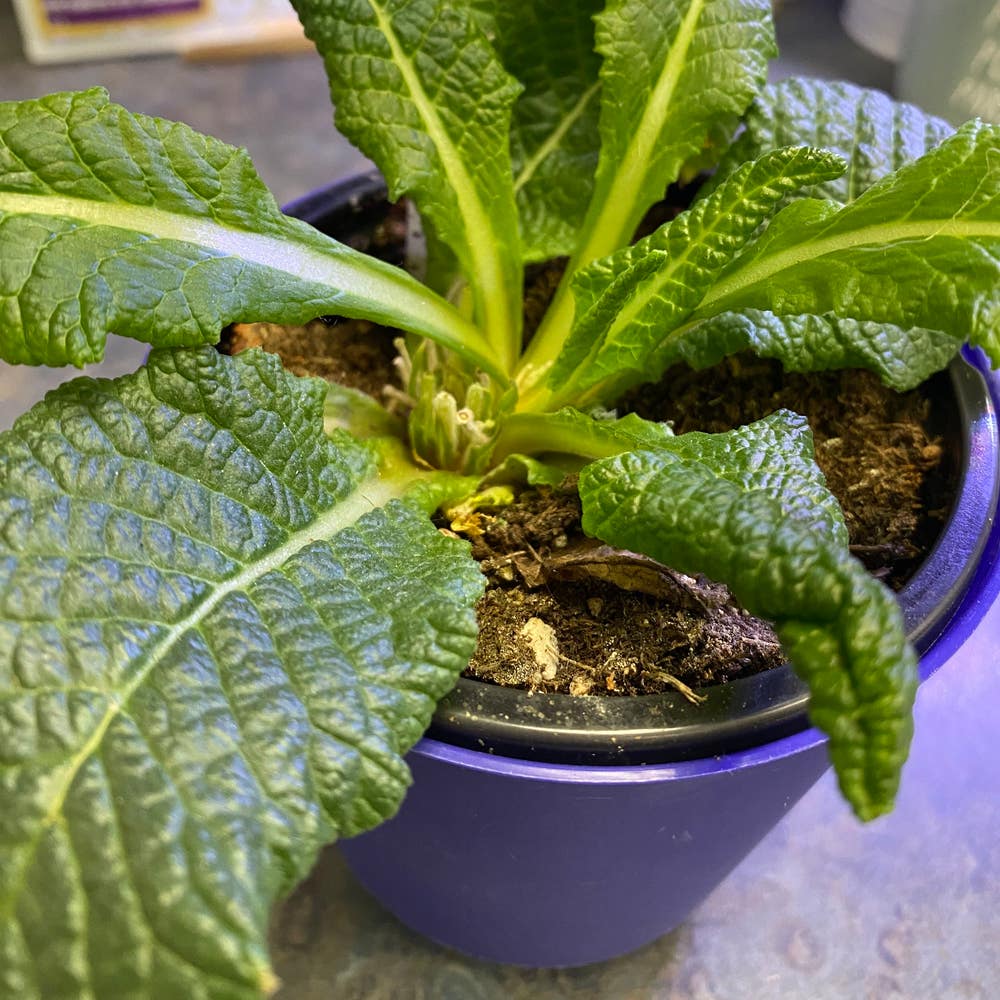
Why Are My Common Primrose Leaves Dropping?
Primula vulgaris
By the Greg Editorial Team
Jun 18, 2024•5 min read
This article was created with the help of AI so we can cover more plants for you. May contain errors. See one? Report it here.
- 🌡️ Stable temperatures prevent leaf drop; avoid environmental extremes.
- 💧 Consistent moisture and drainage are key; use the finger test for watering.
- 🌱 Monitor for pests and diseases; treat aphids, spider mites, and fungal infections promptly.
Why Your Primrose Leaves Might Be Falling Off
🌡️ Environmental Stressors
Temperature swings can send your Common Primrose into a tailspin. Avoid extremes; your plant isn't auditioning for a survival show. It prefers a stable environment, away from the icy grip of winter drafts and the scorching touch of midday summer sun.
💡 Let there be (the right amount of) light
Primroses don't appreciate the spotlight nor do they thrive in the dark corners of your home. Aim for a Goldilocks zone of light—bright but indirect. This balance helps prevent the dramatic leaf drop of a starlet exiting stage left.
🚰 Water Woes
Walking the tightrope between drought and drench is a horticultural high-wire act. Consistent moisture is key; let the soil dry slightly between waterings. Overly soggy soil is a one-way ticket to root rot, while a parched pot leads to a thirsty, leaf-shedding Primrose.
🍽️ Soil moisture savvy
Finding the sweet spot for soil moisture is like crafting the perfect martini—too dry or too wet, and it's ruined. Use your finger as a dipstick; if the top inch is dry, it's time for a drink. If it's damp, let it be. Your Primrose will thank you.
🚰 Soil and Roots: The Hidden Culprits
When soil goes sour due to poor drainage or compaction, it's like a bad party for roots—they can't breathe, and they certainly can't dance. Ensure your potting mix is loose and airy, allowing water to flow through with the grace of a river, not the sluggishness of a swamp.
🌱 Root health
The underground story of root health is like a spy novel—what you don't see can hurt you. Check for root rot by gently lifting the plant; blackened, mushy roots spell trouble. Healthy roots should look like a well-kept beard—robust and spread out, not clumped and withering.

Pests and Diseases: Unwanted Guests
🐛 Common Pests
Aphids and spider mites are notorious for causing leaf drop in Common Primrose. Aphids congregate in clusters, often producing sticky residue on leaves, while spider mites leave behind fine webs and speckled, discolored foliage. Ant activity can signal an aphid infestation, as they farm the aphids for their sweet secretions.
🍄 Fungal Foes
Fungal infections, such as powdery mildew or bacterial leaf spot, are stealthy adversaries. Powdery mildew coats leaves with a white, powdery substance, and bacterial leaf spot creates dark, water-soaked spots. Both can lead to leaf drop if not addressed promptly.

Turning Over a New Leaf: Remedial Actions
💡 Environmental Fine-Tuning
Adjusting your plant's microclimate is like tweaking the thermostat for your own comfort. If your Common Primrose is dropping leaves, it might be throwing a silent tantrum over its living conditions. Bright, indirect light is the sweet spot; direct sun can cause a meltdown, and too little light leads to a sulk-fest. Consider the humidity too—your Primrose isn't asking for a rainforest, but a pebble tray or occasional misting could be the equivalent of a spa day.
🚰 Watering Wisdom
Watering is an art form, and your Primrose is a picky critic. The goal is to keep the soil consistently moist without waterlogging the roots. Think of it as making a good cup of tea—neither waterlogged nor bone-dry. If the top inch of soil feels dry, it's time to water. But remember, your plant's roots need oxygen as much as they need water, so ensure proper drainage to avoid a soggy disaster.
🌱 Soil and Root Rehab
When it comes to soil, your Primrose prefers the equivalent of a comfortable bed—loose, well-draining, and nutrient-rich. If your plant's roots are cramped or the soil is compacted, it's time for an upgrade. Mix in some perlite or compost to improve drainage and aeration. And if the roots are circling the drain, literally, give them a new home in a slightly larger pot with fresh soil. It's like moving from a cramped apartment to a spacious condo.

Keeping Leaves on Lock: Prevention Strategies
🛡️ Proactive Plant Parenting
Shield your Primrose from environmental stress with preemptive action. Think of it as plant insurance; you're investing in your Primrose's future well-being. Regular monitoring is crucial—catch those subtle cries for help, like a slight droop or a color change, before they become full-blown tantrums. Adjust care routines with the precision of a Swiss watchmaker, especially when seasons change. Your plant doesn't need a wardrobe update, but it does need a care tweak.
💧 Watering and Soil Maintenance Mastery
Consistency is your mantra when it comes to watering. Not too much, not too little—just right, like Goldilocks' porridge. Check the soil moisture with the dedication of a detective. Is it dry? Time to water. Is it damp? Hold off. And don't forget the soil itself; it's the foundation of your Primrose's home. Ensure good drainage to prevent waterlogged roots, and fluff it up now and then to avoid compaction. It's like giving your plant a comfortable bed to sleep in.
⚠️ Safety First
This content is for general information and may contain errors, omissions, or outdated details. It is not medical, veterinary advice, or an endorsement of therapeutic claims.
Always consult a qualified healthcare professional before using any plant as food, medicine, or supplement.
Never eat any plant (or feed one to pets) without confirming its identity with at least two trusted sources.
If you suspect poisoning, call Poison Control (800) 222-1222, the Pet Poison Helpline (800) 213-6680, or your local emergency service immediately.
Spotted an error? Please report it here.
Keep your Primrose leaves from dropping and ensure they're always happy 🌿 with Greg's custom watering plans and real-time community support.