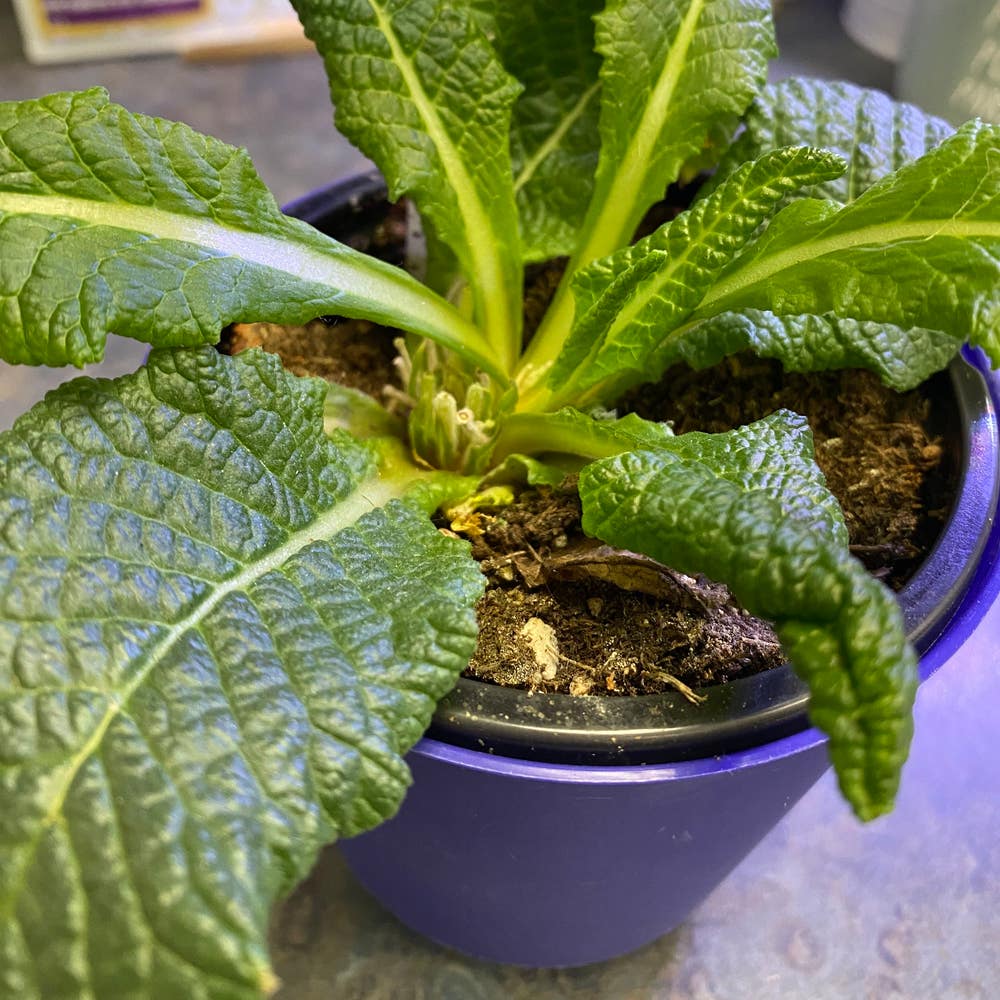
What Temperature Should My Common Primrose Be Kept At?
Primula vulgaris
By the Greg Editorial Team
Jun 18, 2024•4 min read
This article was created with the help of AI so we can cover more plants for you. May contain errors. See one? Report it here.
- Ideal Primrose temp: 50°F to 65°F (10°C to 18°C) for health and blooms.
- Watch for stress signs like wilting and discoloration; adjust temperature promptly.
- Avoid drafts and direct sun, and maintain around 50% humidity for optimal growth.
Keeping Your Primrose Happy: Nailing the Perfect Temperature
Temperature isn't just a number on a thermostat—it's a lifeline for your Common Primrose. The right heat level can mean the difference between a plant that's merely surviving and one that's thriving with vibrant blooms.
🌡️ The Goldilocks Zone for Primroses
Primroses don't enjoy the extremes of a sauna or an icebox. They prefer a comfortable 50°F to 65°F (10°C to 18°C). This range is the botanical sweet spot, encouraging lush growth and the floral show you're after.
🌸 Seasonal Adjustments
As seasons shift, so should your care strategy. Winter might call for a cozy spot away from chilly drafts, while summer demands a retreat from scorching windowsills. Keep a vigilant eye on the mercury to prevent your Primrose from wilting under the wrong temps.

When Things Heat Up or Cool Down: Recognizing Temperature Stress
Primroses, like any plant, have their comfort zone. When temperatures stray too far from their ideal range, they let you know—often in dramatic fashion.
🌡️ Telltale Signs of Discomfort
Wilting is your primrose's white flag, signaling surrender to the heat. If the leaves take on a discolored look, it's not trying a new style—it's stressed. And when growth seems to have hit the brakes, it's not just being lazy; it's stunted due to temperature extremes.
🎭 Behind the Scenes: What's Causing the Stress?
Drafts are the silent saboteurs of your primrose's warmth, while direct sunlight can be a relentless interrogator. And don't underestimate the shock of a sudden cold snap—it's like a surprise ice bucket challenge that your primrose definitely didn't sign up for.

Quick Touch on Humidity: A Side Note
Temperature isn't the only factor in keeping your Common Primrose in top shape; humidity plays a crucial role as well.
💃 Understanding the Humidity-Temperature Tango
Moderate humidity is essential for the Primrose, just as it is for many plants. But here's the kicker: temperature and humidity are like an old married couple; they're constantly affecting each other.
🛠 The Mechanics of Moisture
As the temperature rises, air can hold more moisture, which means humidity levels can drop if additional moisture isn't introduced. Conversely, when it's cooler, the air holds less moisture, which can increase relative humidity.
🌸 Keeping Your Primrose Perky
To keep your Primrose from throwing a tantrum, aim for that sweet spot of about 50% humidity. Too dry, and you'll see your plant's leaves looking as sad as a forgotten birthday. Too moist, and you're inviting a host of unwanted issues, like root rot or fungal infections.
🎯 Practical Tips for Humidity Control
Forget about misting; it's as effective as a chocolate teapot. Instead, consider a humidifier or a pebble tray to keep things stable. And don't just eyeball it—use a hygrometer to measure humidity like a pro.
Remember, your Primrose isn't asking for a rainforest or a desert; it's looking for a comfortable middle ground. Keep an eye on both temperature and humidity, and your Primrose will thank you with vibrant growth and blooms.

Wrapping Up: Keeping Your Primrose in the Comfort Zone
In the quest for Primrose perfection, temperature is your secret weapon. Consistency is the mantra; keep your plant in that sweet spot of 50°F to 65°F (10°C to 18°C) to see it thrive.
🌡️ Key Takeaways for Ideal Temperature
- Monitor the thermostat; your Primrose isn't a fan of temperature swings.
- Adapt to the seasons; be ready to tweak conditions as needed.
- Avoid placing your plant near drafty spots or heat sources.
Observing Your Primrose
- Vigilance is crucial. Watch for wilting or discoloration as signs of distress.
- Act quickly if you spot symptoms; adjust the temperature to keep your Primrose happy.
Remember, your Primrose isn't just another pretty face; it's a living barometer for its environment. Keep it cozy, and it'll return the favor with vibrant blooms.
⚠️ Safety First
This content is for general information and may contain errors, omissions, or outdated details. It is not medical, veterinary advice, or an endorsement of therapeutic claims.
Always consult a qualified healthcare professional before using any plant as food, medicine, or supplement.
Never eat any plant (or feed one to pets) without confirming its identity with at least two trusted sources.
If you suspect poisoning, call Poison Control (800) 222-1222, the Pet Poison Helpline (800) 213-6680, or your local emergency service immediately.
Spotted an error? Please report it here.
Ensure your Common Primrose thrives in the ideal climate 🌡️ with Greg's personalized reminders to keep temps and humidity just right, avoiding those pesky wilts and discolorations.