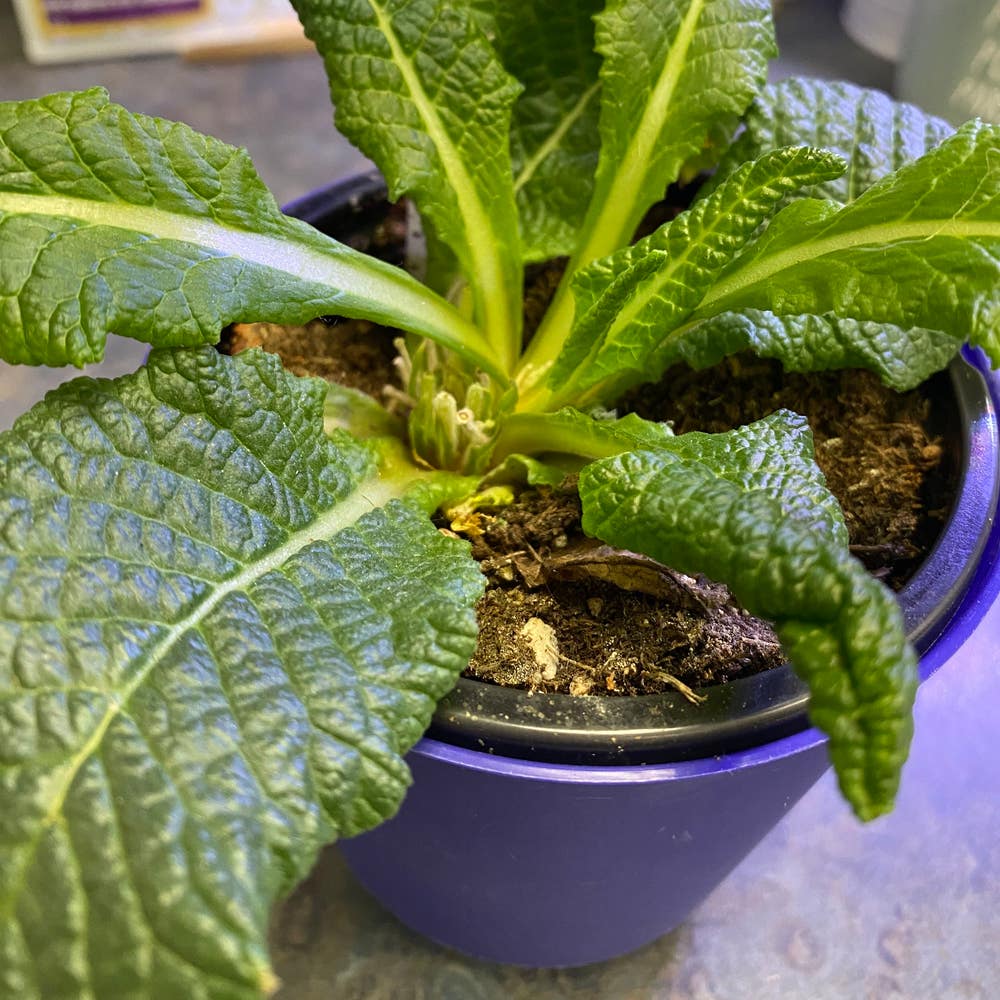
What Should I Do When Common Primrose Leaves Turn Yellow?
Primula vulgaris
By the Greg Editorial Team
Jun 18, 2024•3 min read
This article was created with the help of AI so we can cover more plants for you. May contain errors. See one? Report it here.
- Over/underwatering causes yellow leaves; check soil moisture before watering.
- Nutrient deficiencies turn leaves yellow; use balanced fertilizer to correct.
- Inspect for pests like aphids, spider mites; use natural or chemical treatments.
Spotting the Culprits Behind Yellow Leaves
💧 Overwatering vs. Underwatering
Yellow leaves on your Common Primrose can signal overwatering or underwatering. Overwatered primroses have leaves that feel soft and look wilted, while underwatered ones sport dry, crispy foliage.
Check the soil before you water—soggy means hold off, bone-dry means it's time to hydrate.
🍽️ Nutrient Shortfalls
Nitrogen deficiency turns leaves yellow starting from the tips, while iron deficiency shows as yellowing between green veins. Magnesium shortage? That's yellow leaf edges for you.
A balanced fertilizer can correct these deficiencies and revive your Primrose's vibrant color.
🐜 Unwanted Guests
Aphids and spider mites love to feast on your Primrose, leaving behind yellowing leaves and fine webs.
Inspect regularly and introduce natural predators like ladybugs, or apply appropriate treatments to keep these pests in check.

Turning Over a New Leaf: Remedial Steps
💧 Fine-Tuning Watering Habits
Adjusting your watering habits is crucial for the revival of your Common Primrose. Start by checking the soil moisture with your finger or a moisture meter. If it's soggy, let it dry out before your next watering session. For a parched plant, immerse the pot in tepid water until it's hydrated, then let it drain completely. Remember, consistency is key—your plant's health depends on a stable watering rhythm.
🍽️ Nutrient Boost
Yellow leaves can scream nutrient deficiency. To green up your Primrose, introduce a balanced, water-soluble fertilizer, but don't go overboard to avoid nutrient burn. Organic options provide a slow release, making it hard to overdo. If your plant is still struggling, consider repotting in fresh, well-draining soil to reset the nutrient balance.
🐜 Evicting Pests
Pests are like uninvited guests that never want to leave. Keep an eagle eye out for aphids, spider mites, and the like. For a gentle approach, try organic treatments like neem oil. If you're dealing with a full-blown infestation, it might be time to bring out the big guns with chemical treatments. Remember, prevention is better than cure, so regular inspections are a must.

Keeping the Green: Preventive Tips
💧 Water Wisdom
Consistency is your Primrose's best friend when it comes to watering. Establish a routine that keeps the soil as moist as a well-squeezed sponge—neither drenched nor bone-dry. Use a moisture meter or your finger to gauge the soil's wetness level; it's like a plant's mood ring. In winter, dial back on the H2O; your plant isn't trying to swim.
🌱 Soil and Fertilizer Savvy
Test your soil every few years; it's like a check-up for the earth your Primrose calls home. Based on the results, fertilize with the precision of a chef seasoning a gourmet meal. Add compost or manure to enrich the soil—think of it as a probiotic for your garden's gut health. Remember, overfeeding is as bad as starving; keep it balanced.
🐞 Vigilance Against Pests
Keep pests in check by playing detective; regular plant inspections are the equivalent of neighborhood watch. If you spot trouble, don't go nuclear with chemicals. Try natural deterrents first, like introducing beneficial insects. It's like setting up a blind date between pests and their natural enemies. Keep your garden clean—tidiness is next to pestlessness.

⚠️ Safety First
This content is for general information and may contain errors, omissions, or outdated details. It is not medical, veterinary advice, or an endorsement of therapeutic claims.
Always consult a qualified healthcare professional before using any plant as food, medicine, or supplement.
Never eat any plant (or feed one to pets) without confirming its identity with at least two trusted sources.
If you suspect poisoning, call Poison Control (800) 222-1222, the Pet Poison Helpline (800) 213-6680, or your local emergency service immediately.
Spotted an error? Please report it here.
Banish yellow leaves and keep your Common Primrose thriving 🌿 with Greg's precise watering schedules and nutrient tracking, tailored to your plant's unique needs!