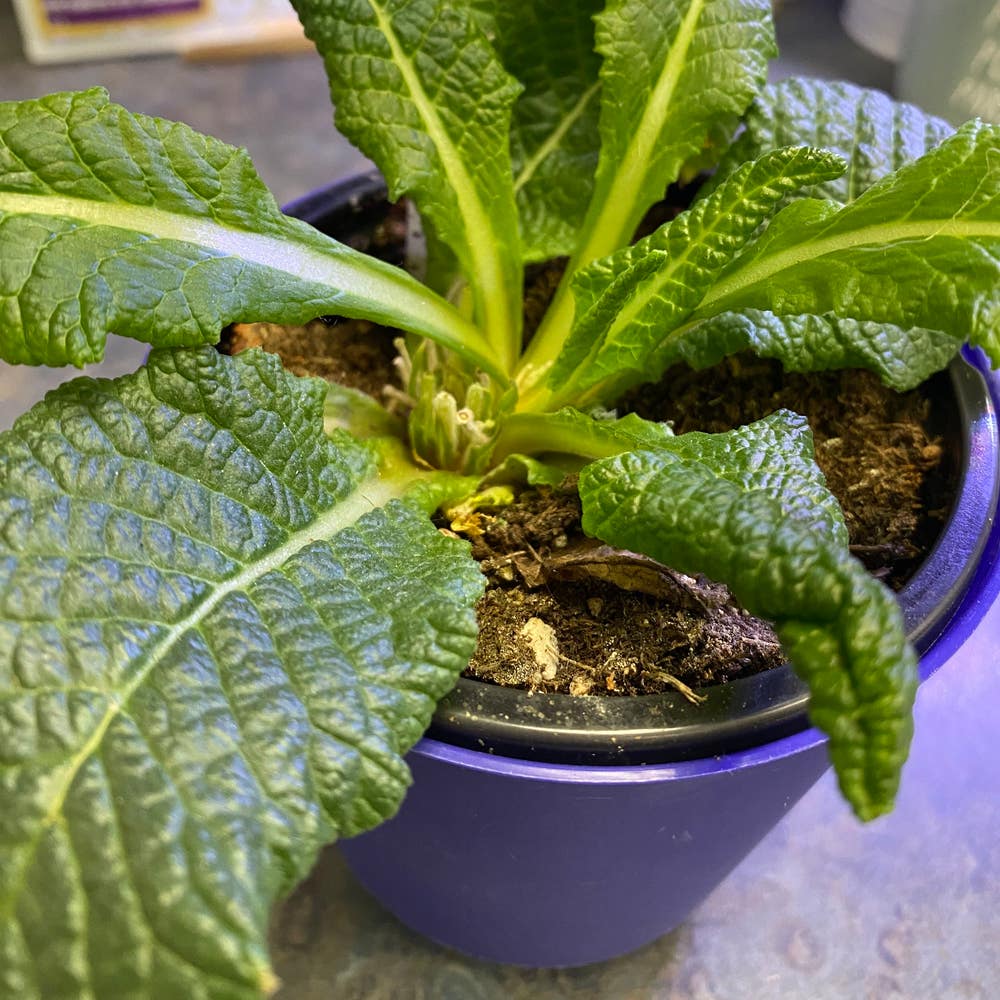
Why Are My Common Primrose Leaves Droopy? 💧
Primula vulgaris
By the Greg Editorial Team
Jun 18, 2024•3 min read
This article was created with the help of AI so we can cover more plants for you. May contain errors. See one? Report it here.
- Overwatering and underwatering cause droopy leaves; balance is key.
- Adjust light and temperature to prevent environmental stress on Primroses.
- Maintain soil health with aeration, nutrients, and proper moisture.
Pinpointing the Culprits Behind Droopy Leaves
🌊 Too Much Love: Overwatering Woes
Yellowing leaves and a swampy soil feel are the hallmarks of an overwatered Primrose. To rescue your waterlogged friend, reduce watering immediately and ensure proper drainage.
🏜️ Thirsty Roots: The Underwatering Problem
A Primrose with leaves as wilted as a week-old bouquet is likely underwatered. Revive it by watering deeply, allowing the moisture to reach the parched roots without turning the soil soggy.
🌡️ Feeling the Heat: Light and Temperature Stress
Symptoms of environmental stress include leaves that might as well be waving white flags. Adjust your Primrose's position to avoid the scorching sun and maintain a consistent temperature to prevent stress.
🌱 Soil SOS: Compaction and Nutrient Deficiencies
Poor, compacted soil is a silent root-suffocator. Aerating the soil and incorporating nutrients can create a happy haven for your Primrose's roots, leading to a perkier plant.

First Aid for Droopy Primrose Leaves
💧 Balancing the Watering Act
Overzealous watering turns your Primrose's home into a no-swim zone. Check the top inch of soil; if it's dry, it's time to water. Use room-temperature water to avoid shocking your plant's system. If you've been generous to a fault with water, ease up and let the soil dry.
🛠 Tools and Tricks
Moisture meters are your techy sidekicks, ensuring you're not drowning or desertifying your Primrose. A simple finger test can also work wonders. Water from below to encourage strong root growth and prevent fungal gatecrashers.
🌞 Creating a Cozy Home: Light and Temperature Fixes
Primroses don't appreciate the sauna or the freezer. They prefer consistent temperatures and bright, indirect light. Shield them from direct sunlight to avoid leaf scorch.
🍂 Seasonal Adjustments
As the seasons change, so should your care routine. Move your Primrose to a brighter spot during darker months and ensure it's not shivering near drafty windows in winter.
🌱 Soil Rehab: Revitalizing Your Plant's Foundation
Mix a potting soil that's like a gourmet meal for your Primrose—fluffy, nutrient-rich, and well-draining. A soil that clumps is a red flag.
🌿 Fertilizing: Less is More
Fertilize with a balanced blend, but don't overdo it. Think of fertilizer as the plant equivalent of hot sauce—a little adds zest; too much and you're in trouble. Feed during the growing season, and then let your plant rest.

Keeping Your Primrose Perky: Long-Term Prevention
💧 Water Wisdom: Preventing Future Flops
Consistency is your Primrose's best friend when it comes to watering. Forget about sticking to a rigid schedule; your plant's thirst varies with the seasons. Feel the soil before you water—dryness two inches down means it's time to hydrate. Consider a soil moisture meter; it's like having a direct line to your plant's hydration needs.
🌡️ Climate Control: Avoiding Environmental Stress
Your Primrose isn't a fan of extreme makeovers, especially in its climate. Stable temperatures and light conditions keep it thriving. Use a thermometer and hygrometer to monitor the environment like a plant detective. Keep your Primrose away from drafty windows and radiators—sudden temperature swings are a no-go.
🌱 Soil Vigilance: Ongoing Soil Care
Soil health isn't just a one-time deal—it's an ongoing commitment. Routine checks for compaction and nutrient balance are crucial. When your Primrose's soil feels more like a packed suitcase than a fluffy pillow, it's time to loosen up. Repotting isn't just for upsizing; it's a chance to refresh the soil and prevent your Primrose from slumping into a droopy mess.

⚠️ Safety First
This content is for general information and may contain errors, omissions, or outdated details. It is not medical, veterinary advice, or an endorsement of therapeutic claims.
Always consult a qualified healthcare professional before using any plant as food, medicine, or supplement.
Never eat any plant (or feed one to pets) without confirming its identity with at least two trusted sources.
If you suspect poisoning, call Poison Control (800) 222-1222, the Pet Poison Helpline (800) 213-6680, or your local emergency service immediately.
Spotted an error? Please report it here.
Ensure your Primrose thrives with just the right amount of water by using Greg's 🌱 custom watering plan to prevent droopy leaves and maintain perfect plant health.