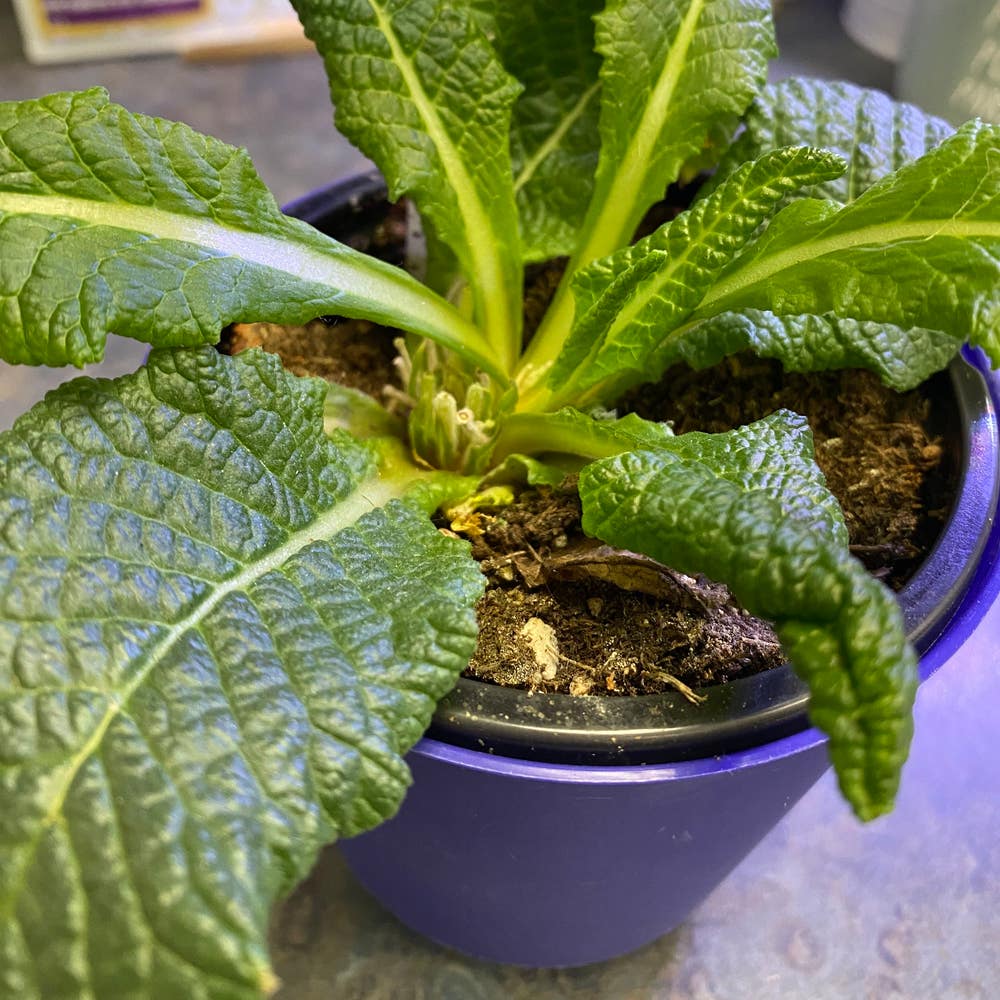
🌼 All About Your Common Primrose's Roots
Primula vulgaris
By the Greg Editorial Team
Sep 30, 2024•6 min read
This article was created with the help of AI so we can cover more plants for you. May contain errors. See one? Report it here.
- 🌱 Primrose has a fibrous root system for stability and nutrient absorption.
- 💧 Consistent moisture and balanced fertilizer are vital for healthy primrose roots.
- 🌼 Healthy roots ensure robust growth and successful propagation of primrose plants.
Root System Type
Characteristics 🌱
The common primrose boasts a primarily fibrous root system. This means it has a network of thin, branching roots that spread out horizontally, allowing the plant to efficiently absorb nutrients.
This fibrous structure provides stability in various soil types, making it adaptable and resilient. Unlike the deep, central taproot found in some plants, primrose roots are shallow yet extensive, which is a significant advantage in nutrient uptake.
Comparison with Other Types 🔍
When comparing root systems, the fibrous roots of the primrose stand out. Taproots, which grow deep into the soil, are not typical for this plant.
Additionally, rhizomatous roots, which are horizontal underground stems, are less common in primrose. This unique root structure contributes to the plant's overall health and adaptability, ensuring it thrives in diverse environments.
With a solid understanding of the primrose's root system, you can appreciate how it influences care practices and plant health. Next, let’s explore the typical depth and spread of these roots.
Root Depth and Spread
Typical Depth and Spread 🌱
The common primrose typically boasts a root depth of 6 to 12 inches, which can vary based on soil conditions. In optimal environments, these roots can spread out to an impressive 24 inches wide, maximizing their reach for nutrients.
Growth Patterns 🌿
Primrose roots grow shallow but extensive, which allows for rapid nutrient absorption. This adaptability enables them to thrive in various soil types, particularly in moist, well-drained conditions, making them resilient and robust in diverse gardening scenarios.
Understanding the root depth and spread of your primrose can significantly enhance your care practices. With this knowledge, you can ensure your plants are well-nourished and flourishing.
Care Practices Influenced by Roots
Watering Techniques 💧
Consistent moisture is crucial for your common primrose. Aim to water every 1-2 weeks, adjusting based on soil moisture to prevent waterlogging.
Fertilizing Techniques 🌱
For optimal growth, use a balanced, water-soluble fertilizer during the growing season. Fertilize every 4-6 weeks to keep your primrose thriving.
Transplanting Tips 🌼
The best time to transplant is early spring or fall. Follow these steps for a successful move:
- Water the plant thoroughly before transplanting.
- Gently loosen the root ball, taking care not to damage the roots.
- Replant at the same depth in well-draining soil.
By following these care practices, you can ensure your primrose remains healthy and vibrant. Next, let’s explore common root-related issues that may arise.
Common Root-Related Issues
🕵️♂️ Identification of Problems
Root health is crucial for your common primrose, and issues can arise if you're not careful.
Root rot is a common problem, typically caused by overwatering. Look for symptoms like yellowing leaves and wilting; these are clear signs that your plant is struggling.
Another concern is pests, particularly root aphids and nematodes. These tiny invaders can wreak havoc on your roots, leading to stunted growth and overall plant decline.
🛠️ Prevention and Solutions
Preventing root rot is all about proper care. Ensure your soil drains well and avoid overwatering; a little caution goes a long way.
For pest issues, regular inspections are key. Keep an eye on your roots and consider using organic pest control methods to maintain a healthy environment for your primrose.
By staying vigilant and proactive, you can keep your common primrose thriving and vibrant. Next, let’s explore how to identify indicators of root health to ensure your plant remains in top condition.
Indicators of Root Health
👀 Visual Cues for Healthy vs. Unhealthy Roots
Healthy roots are a sight to behold. They should feel firm and display a white or light tan color, signaling vitality with minimal signs of decay.
In contrast, unhealthy roots tell a different story. Dark, mushy, or foul-smelling roots are clear indicators of rot, which can spell trouble for your Primrose.
⚠️ Other Indicators
Plant vigor is another key sign of root health. A thriving plant showcases robust growth and vibrant leaf color, reflecting a strong root system.
On the flip side, yellowing leaves can be a red flag. This often points to root issues or nutrient deficiencies, urging you to investigate further.
Understanding these indicators can empower you to take action, ensuring your Primrose remains healthy and flourishing. With a keen eye, you can nurture your plant's roots and promote its overall well-being.
Next, let’s explore the stress factors that can impact root health and how resilience plays a crucial role in plant vitality.
Stress Factors and Resilience
🌱 Role in Plant Health
Roots are the unsung heroes of plant health. They provide stability and are crucial for nutrient uptake, which is essential for overall growth.
💪 Resilience Against Stress
Primrose roots are particularly resilient. Their fibrous structure allows them to access moisture in the topsoil, making them adept at withstanding drought conditions.
- Drought Resistance: These roots can tap into moisture even when the surface dries out, ensuring the plant remains hydrated.
- Pest and Disease Resistance: Healthy roots bolster overall plant vigor, making them less susceptible to pests and diseases.
Understanding these aspects of root health can empower you to nurture your Primrose effectively. With robust roots, your plants can thrive even under challenging conditions.
Next, let’s explore common root-related issues that might arise and how to tackle them effectively.
Rootbound Plants
Definition and Recognition 🌱
A rootbound condition occurs when a plant's roots grow in circles around the pot, limiting its growth potential. You can spot this issue through signs like stunted growth or roots pushing out from drainage holes.
Addressing Rootbound Issues 🛠️
To tackle rootbound problems, check your plants annually or whenever you notice growth slowing down.
- Start by carefully removing the plant from its pot.
- Trim any circling roots to encourage new growth and replant it in a larger container.
By addressing rootbound conditions promptly, you can help your Primrose thrive and flourish. This proactive approach not only enhances plant health but also boosts your gardening confidence.
Next, let’s explore the importance of a healthy root system in propagation and division.
Propagation and Division
🌱 Importance of a Healthy Root System
Healthy roots are the backbone of successful propagation and division. They ensure that new plants can thrive and establish themselves quickly in their new environment.
✂️ Techniques for Dividing and Propagating
🕰️ Best Time for Division
The ideal times for division are early spring or fall. This timing allows the plant to recover and grow during optimal conditions.
📋 Steps for Division
Water the Plant: Start by thoroughly watering the plant a day before division. This helps reduce stress on the roots.
Separate the Root Clumps: Gently pull apart the root clumps, ensuring each division has both roots and foliage. Be careful not to damage the roots during this process.
Replant Immediately: Place the divisions in well-draining soil right away. This helps them acclimate and reduces the risk of shock.
By following these steps, you can successfully propagate your common primrose and enjoy a flourishing garden. Now, let’s explore how to identify and address common root-related issues that may arise.
⚠️ Safety First
This content is for general information and may contain errors, omissions, or outdated details. It is not medical, veterinary advice, or an endorsement of therapeutic claims.
Always consult a qualified healthcare professional before using any plant as food, medicine, or supplement.
Never eat any plant (or feed one to pets) without confirming its identity with at least two trusted sources.
If you suspect poisoning, call Poison Control (800) 222-1222, the Pet Poison Helpline (800) 213-6680, or your local emergency service immediately.
Spotted an error? Please report it here.
Unlock the secret to a thriving primrose garden 🌼 with Greg's tailored watering and fertilization reminders that keep your plant's roots healthy and happy!