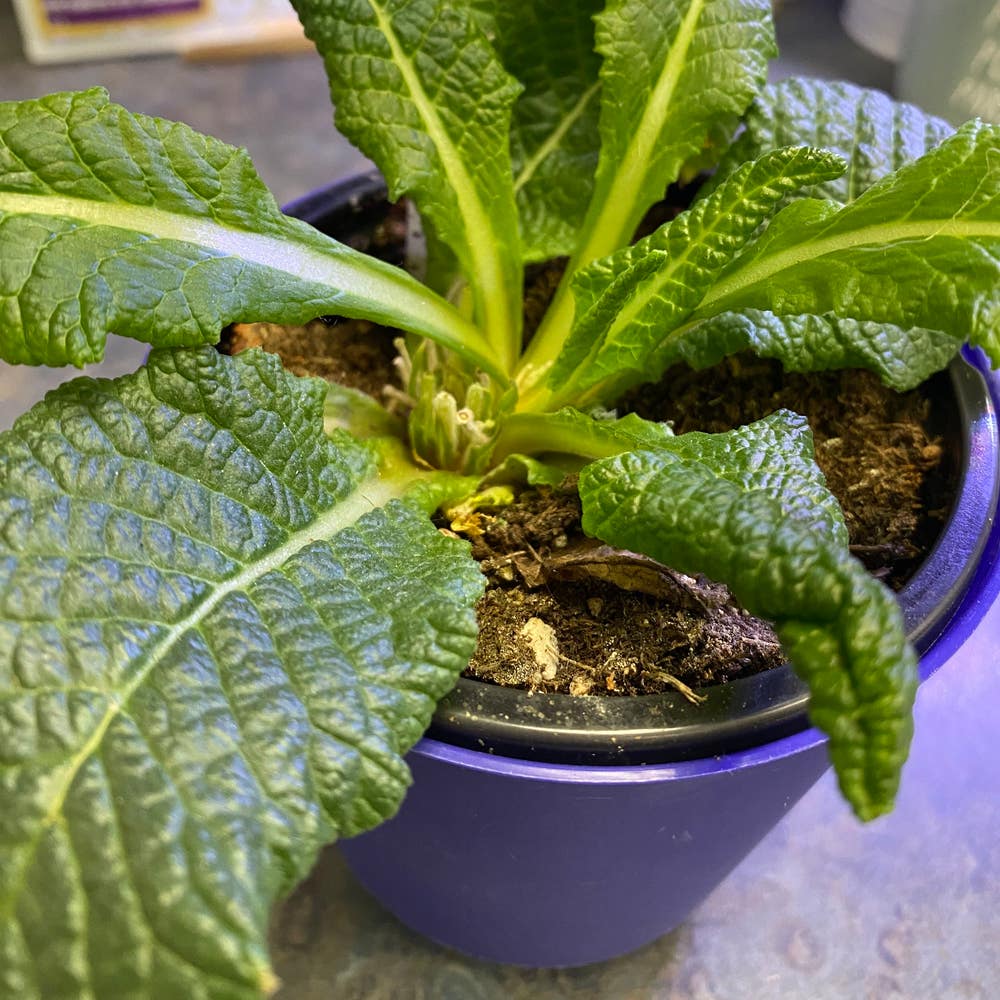
❄️ How to Prepare Your Common Primrose for Winter
Primula vulgaris
By the Greg Editorial Team
Sep 30, 2024•4 min read
This article was created with the help of AI so we can cover more plants for you. May contain errors. See one? Report it here.
- ❄️ Frost protection is vital for common primrose to survive harsh winter conditions.
- 🌱 Mulching and covering with burlap insulates roots and shields from freezing temperatures.
- 🌬️ Windbreaks and proper watering prevent damage and root rot during winter months.
Winter Care Techniques
❄️ Frost Protection Methods
Frost protection is crucial for your common primrose, as extreme cold can cause significant damage. Implementing effective techniques can safeguard your plants during harsh winter months.
- Covering with frost cloth or burlap: During cold snaps, drape these materials over your primrose to shield them from freezing temperatures.
- Using mulch: Apply 2-3 inches of mulch around the base to insulate the roots and retain soil warmth.
- Creating a windbreak: Set up stakes and burlap to block harsh winds that can exacerbate frost damage.
💧 Adjusting Watering Schedules for Winter
As winter approaches, it's essential to adjust your watering routine to prevent root rot. Checking soil moisture before watering is key to maintaining healthy plants.
- Watering frequency: Reduce your watering to every 2-3 weeks, depending on rainfall and temperature.
- Signs of overwatering: Keep an eye out for yellowing leaves and mushy roots, which indicate too much moisture.
🌱 Fertilizing During Dormancy
Fertilization during dormancy supports root health without encouraging excessive top growth. Choosing the right type and timing is vital for your primrose's recovery in spring.
- Recommended fertilizer type: Opt for low-nitrogen, slow-release fertilizers to nourish the roots effectively.
- Timing for fertilization: Apply fertilizer in late winter, just before new growth begins, to give your primrose a boost.
By following these winter care techniques, you can ensure your common primrose remains healthy and vibrant, ready to thrive when spring arrives. Next, let’s explore how to care for your primrose indoors during the colder months.
Indoor Care for Primrose
🏠 When to bring indoors
As temperatures dip below 20°F (-6°C), it's time to transition your Primrose indoors. Look for signs like wilting leaves or frost damage to determine if your plant needs shelter from the cold.
💡 Indoor lighting and temperature requirements
Primroses thrive in bright, indirect light, making a sunny windowsill an ideal spot. Keep indoor temperatures between 60°F to 70°F (15°C to 21°C) for optimal growth.
💧 Importance of humidity
Humidity plays a crucial role in keeping your Primrose healthy. Maintaining adequate humidity levels helps prevent leaf drop, ensuring your plant stays vibrant.
🗓️ Recommended indoor watering schedule
Water your Primrose when the top inch of soil feels dry. This simple practice helps avoid overwatering, which can lead to root rot.
By following these indoor care tips, your Primrose will flourish even during the colder months. Next, let's explore how to identify signs of winter damage and prepare for spring recovery.
Spring Preparation and Recovery
🌨️ Signs of winter damage
As winter fades, it's crucial to assess your common primrose for signs of damage. Look for brown, wilted leaves and stunted growth, which indicate that your plant may have suffered during the colder months.
Common issues include root rot from overwatering and frostbite on leaves. These problems can hinder your primrose's ability to thrive come spring.
🌱 Steps for recovery and rejuvenation in spring
Start by assessing the overall health of your plant. Check for new growth and ensure the roots are healthy; this will give you a good indication of its recovery potential.
Next, prune any damaged foliage. Removing dead or damaged leaves encourages fresh growth and helps your primrose bounce back.
Finally, fertilize your plant in spring using a balanced fertilizer. This will provide the nutrients necessary to promote recovery and support new growth.
By taking these steps, you'll set your primrose up for a vibrant and healthy season ahead. Now, let’s explore how geographic differences can influence winter care practices for your primrose.
Geographic Considerations
🌍 Regional Differences in Winter Care Practices
When it comes to caring for your common primrose during winter, geography plays a crucial role. Different climates require tailored approaches to ensure your plants thrive.
❄️ Northern Climates
In northern regions, frost protection is paramount. You’ll want to implement robust methods like covering your primrose with frost cloth or burlap during extreme cold snaps.
Additionally, consider creating windbreaks using stakes and burlap to shield your plants from harsh winds. Mulching with 2-3 inches of organic material is also essential, as it helps insulate the roots and retain soil warmth.
☀️ Southern Climates
Conversely, in southern climates, the need for frost protection diminishes significantly. Here, the focus shifts to maintaining adequate moisture levels, as winters can be dry.
While frost is less of a concern, keep an eye on soil moisture to prevent your primrose from drying out. Regular checks will help ensure your plants remain healthy and vibrant through the winter months.
Understanding these regional differences will empower you to provide the best care for your primrose, no matter where you live. With the right approach, your plants will be ready to flourish come spring!
⚠️ Safety First
This content is for general information and may contain errors, omissions, or outdated details. It is not medical, veterinary advice, or an endorsement of therapeutic claims.
Always consult a qualified healthcare professional before using any plant as food, medicine, or supplement.
Never eat any plant (or feed one to pets) without confirming its identity with at least two trusted sources.
If you suspect poisoning, call Poison Control (800) 222-1222, the Pet Poison Helpline (800) 213-6680, or your local emergency service immediately.
Spotted an error? Please report it here.
Keep your common primrose thriving through winter ❄️ with Greg's tailored reminders and tips for frost protection, ensuring a vibrant spring bloom!