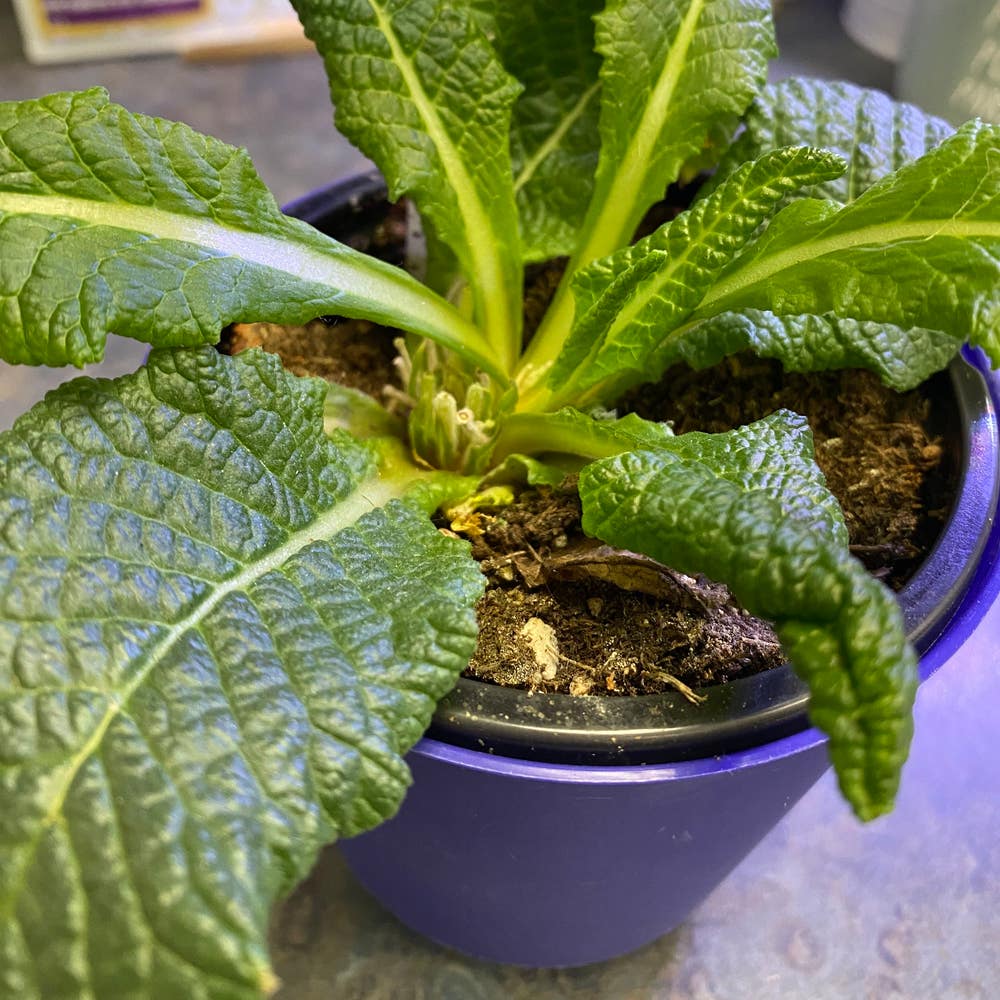
Why Are There Brown Spots on My Common Primrose Leaves?
Primula vulgaris
By the Greg Editorial Team
Jun 18, 2024•4 min read
This article was created with the help of AI so we can cover more plants for you. May contain errors. See one? Report it here.
- Overwatering and poor drainage often cause brown spots on primrose leaves.
- Fungal and bacterial infections can lead to distinctive brown spotting.
- Prevent with proper watering, light, and airflow; treat with pruning and fungicides.
Spotting Trouble: Recognizing Brown Spots on Your Primrose
🕵️ Visual Cues: The Look of Trouble
Brown spots on Common Primrose leaves are like unwanted tattoos on your skin – they stand out and tell a story you might not want to hear. These spots can range from rusty patches to precise, circular blemishes. They're not the gentle yellow of an old leaf; they're the red flags of plant distress.
Patterns of Distress: Mapping the Spots
The location of brown spots on leaves can be as telling as their appearance. They might favor the center stage on a leaf, prefer the leaf tips, or be scattered across the leaf surface like a rash. Each pattern is a breadcrumb trail leading to the root of the problem.
🚨 Early Detection: The Plant's Cry for Help
Catching these spots early is like catching a typo before hitting send – it can save you from a bigger headache down the line. Early detection is key; it allows you to halt the spread before your plant's health takes a serious hit. Keep an eye out for any discoloration or texture changes that seem out of the ordinary.
Appearance Matters: Decoding the Spots
The texture and edges of the spots are clues in their own right. Are they water-soaked, dry, or brittle? Do they have a yellow halo or a darker ring? These subtle details are the fingerprints that help identify the culprit behind the blemishes.

The Usual Suspects: What's Causing the Brown Spots?
💧 Overwatering and Poor Drainage
Overwatering isn't just a minor slip-up; it's the archenemy of the Common Primrose. Imagine the roots gasping for air in waterlogged soil, and you've got a recipe for those dreaded brown spots. Poor drainage is the accomplice, ensuring the roots stay submerged in their soggy grave.
🍄 Fungal Foes
Next up, we unmask the fungal culprits: powdery mildew and botrytis. These sneaky invaders thrive in the damp conditions created by overzealous watering. They're not picky guests, either. Give them stagnant air and a moist leaf, and they'll throw a spore party on your Primrose.
🦠 Bacterial Bullies
Last but not least, bacterial leaf spot enters the scene with its signature brown spots, often surrounded by a yellow halo. These spots can start as water-soaked lesions and, if left unchecked, turn your plant into a blighted mess. Bacteria are the ninjas of the plant world, spreading stealthily by water or contaminated hands.

Brown Spot Boot Camp: Effective Treatment Strategies
💧 Drying Out: Watering Wisdom
Watering your Common Primrose is like threading a needle—precision is key. Overwatering leads to soggy soil, which is a VIP pass for brown spots on your plant's leaves. To keep your Primrose's "feet" dry, check the soil moisture before giving it a drink. If the soil a few centimeters down is dry, it's time to hydrate. Remember, less is more when it comes to watering frequency.
🍄 Fungus Among Us: Getting the Upper Hand
Fungi on your Primrose are like uninvited guests at a party—they just show up. Kick them out with a DIY mix of baking soda and soap for mild cases, or reach for copper fungicides for tougher infections. Always read the label; it's like the rules of the road for plant care—ignore them at your plant's peril.
🦠 Bacterial Battles: Clean Cuts and Care
When brown spots scream "bacteria," it's time to play surgeon. Prune away infected leaves with sanitized tools to stop the spread. Think of it as removing zombie limbs to save the rest of the body. After the operation, keep your plant under surveillance for signs of recovery—new growth is a high-five from your Primrose.

Fortifying Your Primrose: Prevention is Key
💡 Location, Location, Location
Light and airflow are the dynamic duo for Primrose health. Like a plant's personal trainer, they shape up your Primrose to fight off those pesky brown spots. Too much shade invites dampness, a playground for fungi. But just the right amount of sunlight? That's the sweet spot. Rotate your plant to ensure even exposure, mimicking the even tan of a well-traveled globe-trotter.
🍽️ The Right Stuff: Soil and Potting Mastery
Soil is not just dirt; it's the Primrose's universe. A well-draining mix is like a good mattress—supportive but breathable. Add organic matter like coco coir or sphagnum moss to keep it light and fluffy. Your pot choice is equally crucial. Think of it as the plant's footwear—something comfortable with room to breathe. Ensure it has drainage holes to avoid soggy feet, because nobody likes wet socks, not even Primroses.
⚠️ Safety First
This content is for general information and may contain errors, omissions, or outdated details. It is not medical, veterinary advice, or an endorsement of therapeutic claims.
Always consult a qualified healthcare professional before using any plant as food, medicine, or supplement.
Never eat any plant (or feed one to pets) without confirming its identity with at least two trusted sources.
If you suspect poisoning, call Poison Control (800) 222-1222, the Pet Poison Helpline (800) 213-6680, or your local emergency service immediately.
Spotted an error? Please report it here.
Prevent brown spots 🛑 on your primrose leaves by letting Greg tailor your watering plan to keep your blooms healthy and vibrant.