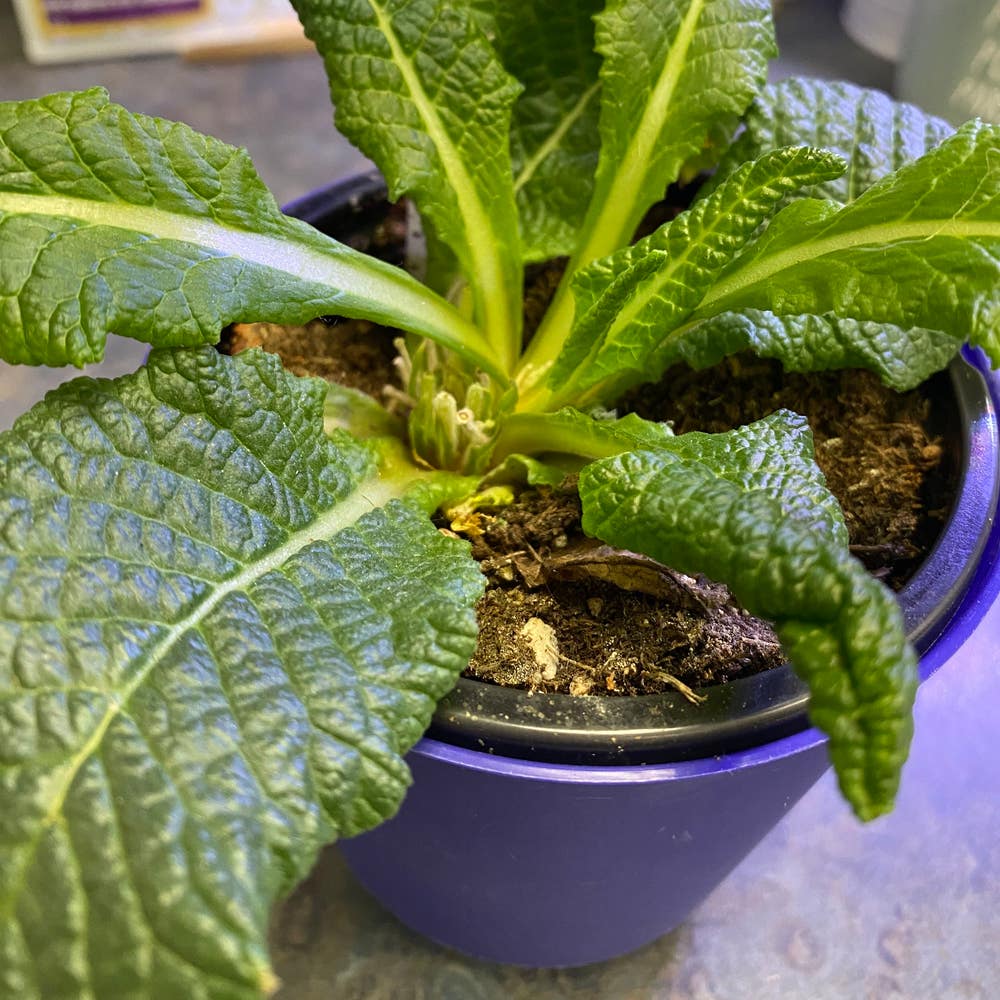
🌼 8 Top Pot Choices for Your Common Primrose
Primula vulgaris
By the Greg Editorial Team
Sep 30, 2024•5 min read
This article was created with the help of AI so we can cover more plants for you. May contain errors. See one? Report it here.
- 🌱 Choose 4-6 inch pots for seedlings to manage moisture effectively during early growth.
- 🪴 Repot when roots grow out of holes or growth stagnates for optimal health.
- 🧱 Pot material affects moisture retention; clay for evaporation, plastic for moisture.
Pot Size Recommendations
Small Pots for Seedlings 🌱
For seedlings, a pot size of 4-6 inches in diameter is ideal. This size allows for easy management and monitoring of moisture levels, ensuring your young plants thrive.
Timing is crucial; use small pots for the first 4-6 weeks after germination. This period is when seedlings are most vulnerable and need close attention.
Medium Pots for Young Plants 🌿
As your Primrose grows, transition to medium pots measuring 6-10 inches in diameter. These pots provide adequate space for root expansion, which is essential for healthy growth.
Make this switch when seedlings develop 2-3 sets of true leaves. This is a clear sign that they are ready for more room to grow.
Large Pots for Mature Primrose 🌼
Once your Primrose reaches maturity, opt for large pots that are 10-14 inches in diameter. These pots support a well-established root system and encourage flowering, which is what we all want to see!
It's time to upgrade when plants reach full size or show signs of being root-bound. A larger pot will give them the space they need to flourish.
Transitioning through these pot sizes ensures your Primrose has the best chance to thrive at every stage of its life. Next, let’s explore how drainage plays a crucial role in keeping your plants healthy.
Drainage Considerations
How Drainage Affects Primrose Health 🌱
Proper drainage is crucial for the health of your Common Primrose. Poor drainage can lead to root rot, which is a common issue that can devastate your plants.
Maintaining consistent moisture is essential, but be careful not to waterlog the soil. This balance is key to keeping your Primrose thriving.
Recommended Drainage Solutions 💧
Using pots with drainage holes is a must. These holes prevent excess water from accumulating, which can save your plants from drowning.
Additionally, consider adding a layer of gravel or perlite at the bottom of your pots. This simple step enhances drainage and promotes healthier root systems.
By prioritizing drainage, you set the stage for vibrant, flourishing Primroses. Next, let’s explore the signs that indicate it’s time to repot your plants for optimal growth.
Repotting Common Primrose
Signs That It's Time to Repot 🌱
Recognizing when your Common Primrose needs repotting is crucial for its health. Look for roots growing out of drainage holes or circling the pot—these are clear indicators that your plant is root-bound.
Another sign is stunted growth. If your Primrose shows little new growth or fails to flower despite proper care, it’s time to consider a new pot.
Step-by-Step Guide to Repotting 🛠️
Repotting might seem daunting, but it’s straightforward. Follow these steps for a smooth transition:
- Choose a new pot that is 1-2 inches larger in diameter.
- Gently remove the Primrose from its current pot, being careful not to damage the roots.
- Loosen any tightly bound roots and trim them if necessary.
- Place the plant in the new pot, ensuring it sits at the same depth as before.
- Fill with fresh, well-draining potting mix and water thoroughly.
Choosing the Right Pot During Repotting 🏺
Selecting the right pot material can make a difference. Clay pots offer breathability, while plastic pots retain moisture, making them ideal for drier environments.
Always ensure the new pot has adequate drainage holes. This is essential for supporting healthy growth and preventing waterlogging.
By keeping an eye on these signs and following the repotting steps, your Common Primrose will thrive in its new home. Next, let’s explore how the choice of pot can impact your plant’s growth.
Impact of Pot Choice on Growth
🌱 How Pot Material Influences Moisture Retention
Choosing the right pot material is crucial for your Common Primrose's health. Clay pots are fantastic for their breathability; they allow moisture to evaporate, which helps prevent overwatering—a common pitfall for many gardeners.
On the other hand, plastic pots excel at retaining moisture. This makes them ideal for drier environments where consistent hydration is essential for growth. Each material has its advantages, so consider your specific conditions when selecting a pot.
🪴 Effects of Pot Size on Root Development
The size of your pot significantly impacts root development. Common Primrose has a shallow root system, making wide pots more beneficial than deep ones. A wider pot provides ample space for roots to spread out, promoting healthier growth.
Proper pot size not only encourages root expansion but also enhances nutrient uptake. When roots have room to grow, they can access more nutrients and water, leading to a thriving plant. Choosing the right pot size is a simple yet effective way to support your Primrose's overall health.
As you consider pot choices, remember that both material and size play vital roles in your plant's success. Next, let’s explore common mistakes in pot selection that can hinder your Primrose's growth.
Common Mistakes in Pot Selection
🌱 Overpotting vs. Underpotting
Choosing the right pot size is crucial for your Common Primrose's health. Overpotting can lead to excess soil retaining too much moisture, which often results in root rot.
On the flip side, underpotting restricts root growth. This limited space can stunt your plant's development, preventing it from thriving.
🚰 Ignoring Drainage Needs
Inadequate drainage can spell disaster for your Primrose. Poor drainage increases the risk of fungal diseases and can severely impact overall plant health.
Regularly check drainage holes for blockages. Ensuring proper pot maintenance is essential for keeping your Primrose happy and healthy.
With these common mistakes in mind, you can make informed decisions that promote robust growth and vibrant blooms. Next, let's explore how the choice of pot material can further influence your plant's success.
⚠️ Safety First
This content is for general information and may contain errors, omissions, or outdated details. It is not medical, veterinary advice, or an endorsement of therapeutic claims.
Always consult a qualified healthcare professional before using any plant as food, medicine, or supplement.
Never eat any plant (or feed one to pets) without confirming its identity with at least two trusted sources.
If you suspect poisoning, call Poison Control (800) 222-1222, the Pet Poison Helpline (800) 213-6680, or your local emergency service immediately.
Spotted an error? Please report it here.
Get your Common Primrose thriving in the perfect pot 🪴 by using Greg's tailored reminders and expert tips to keep your plants happy and healthy!