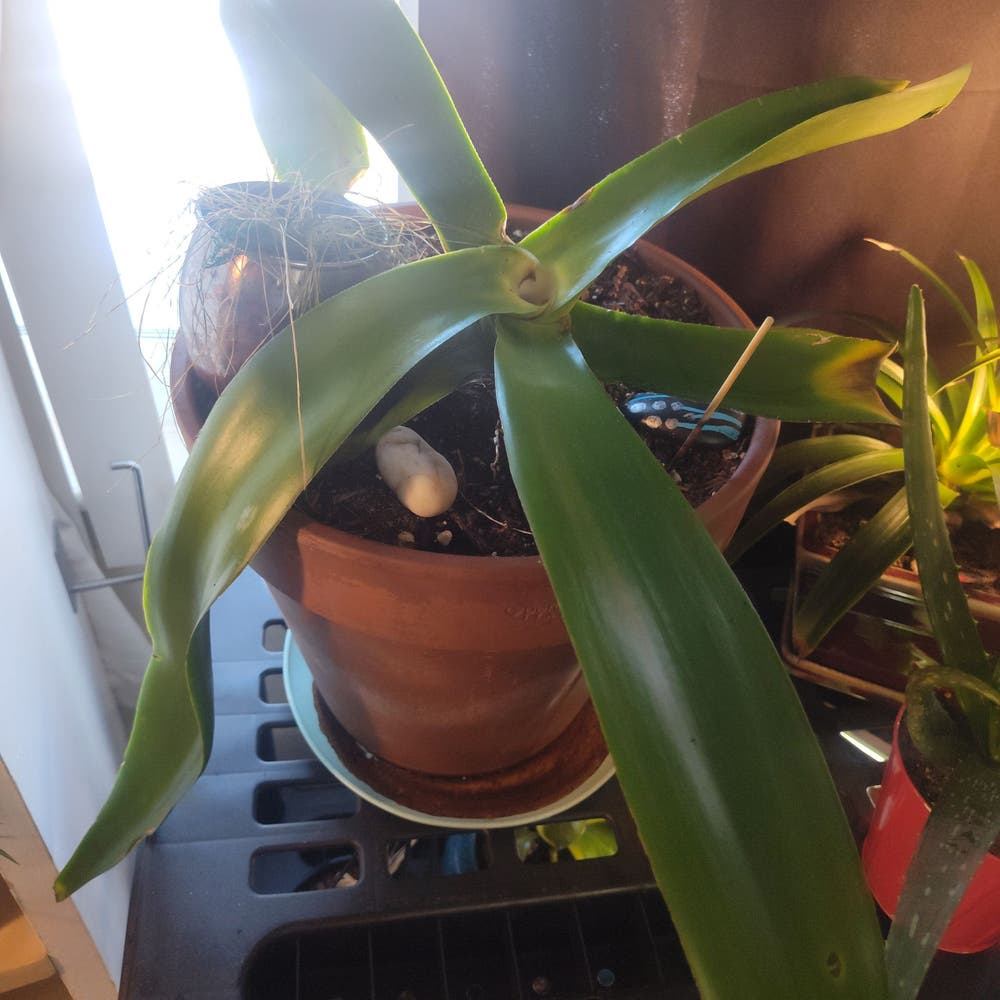
💧 Why Are My Century Plant Leaves Mushy?
Agave americana
By the Greg Editorial Team
Jun 08, 2024•4 min read
This article was created with the help of AI so we can cover more plants for you. May contain errors. See one? Report it here.
Prevent mushy mayhem 🍂 in your Century Plant with these vital, plant-saving care strategies!
- Mushy leaves signal distress, often due to overwatering or poor drainage.
- Fungal infections and pests can also cause mushiness; good airflow and fungicides help.
- Regular inspection and care—like proper watering and soil—are key to plant health.
Understanding Mushy Leaves in Century Plant
Mushy leaves on your Century Plant are a red flag; they signal distress and can mar the plant's striking appearance. Prompt action is crucial to prevent further damage.
🚨 Impact on Plant Health
Mushy leaves can lead to widespread decay in the Century Plant. This not only affects the plant's aesthetics but also its ability to photosynthesize effectively, compromising its overall health.
🔍 Identifying the Issue
Spotting the problem early is key. Look for leaves that are soft to the touch, discolored, or emitting a foul odor. These symptoms suggest that the plant's tissue integrity is compromised.
🛠 Addressing the Problem
Once you've identified mushy leaves, it's time to get your hands dirty. Investigate the cause and take corrective measures swiftly to give your Century Plant a fighting chance at recovery.

Causes of Mushy Leaves in Century Plant
💧 Overwatering
Overwatering is a prime suspect when Century Plant leaves turn to mush. The plant's succulent nature means it stores water, so too much hydration leads to soggy leaves. Watch for leaves that wilt, yellow, or feel unusually soft.
🚰 Poor Drainage
Century Plants demand well-draining soil. If water lingers, roots suffocate and rot, leaving leaves mushy. Improve drainage by mixing in perlite or coarse sand, and choose pots that allow excess water to escape.
🍄 Fungal Infections
Excess moisture invites unwanted fungal guests. Root rot and anthracnose are common culprits, causing wilting and discolored lesions on leaves. Remove infected areas and consider fungicides as a last resort.
🐜 Pests and Diseases
The agave snout weevil can wreak havoc, leading to mushy leaves as it feasts on the plant. Root rot is another stealthy attacker. Be vigilant for symptoms and manage with appropriate pest control strategies.
🌡️ Other Potential Causes
Don't overlook other villains like nutrient deficiencies or extreme temperatures. These stressors can also lead to mushy leaves, so ensure your Century Plant is living its best life with proper care and conditions.

Alleviating and Preventing Mushy Leaves
💧 Adjusting Watering Practices
Watering your Century Plant is like a tightrope walk; too much or too little can send it tumbling. Let the soil dry out between waterings to prevent mushiness.
- Observe the soil: Stick your finger in; if it's damp, hold off on the H2O.
- Adapt to the environment: Less water in winter, more in summer, and always with a sense of humor about the unpredictable British weather.
🚰 Improving Soil Drainage
Think of your plant's roots like lungs—they need air! Enhance drainage to keep them breathing easy.
- Mix it up: Add perlite or coarse sand to the soil. It's like giving your plant's roots a roomier apartment.
- Choose wisely: Pots with drainage holes are non-negotiable. It's like choosing a house with a bathroom—it just makes sense.
🍄 Fungal Infection Management
Fungi are the party crashers of the plant world—unwanted and destructive. Prevent their shindigs by keeping things dry and ventilated.
- Air it out: Good airflow is like social distancing for plants; it keeps the bad stuff away.
- Fungicide to the rescue: If you spot an infection, don't hesitate to break out the big guns and apply a treatment.
🐛 Pest and Disease Control
Pests and diseases are the Century Plant's archenemies. Stay vigilant and keep these villains at bay.
- Inspect regularly: Catching a problem early is like catching a typo before you hit send—an easy fix.
- Integrated Pest Management: Use a combination of methods, and remember, sometimes the best offense is a good defense.

General Care Tips for Century Plant
🌞 Sunlight and Temperature
Direct sunlight is the Century Plant's best friend; it thrives in it. Aim for a spot that basks in full sun exposure to keep those leaves reaching skyward. When it comes to temperature, think warm thoughts; 65-85°F is the sweet spot. But remember, this plant is tough as nails—it can handle a bit of a chill, just not frostbite.
🍽️ Soil and Fertilization
Let's talk dirt. Century Plants demand well-draining soil; think sandy with a side of gritty. No soggy bottoms here, please. As for food, they're not gluttons. A balanced, half-strength fertilizer during the growing season will do. And when winter rolls in, give the feeding a rest. This plant's not looking to bulk up.
The Takeaway
Keep it sunny, keep it warm, and don't drown it in love or food. Treat your Century Plant right, and it'll be less drama than a cactus on a reality show.
⚠️ Safety First
This content is for general information and may contain errors, omissions, or outdated details. It is not medical, veterinary advice, or an endorsement of therapeutic claims.
Always consult a qualified healthcare professional before using any plant as food, medicine, or supplement.
Never eat any plant (or feed one to pets) without confirming its identity with at least two trusted sources.
If you suspect poisoning, call Poison Control (800) 222-1222, the Pet Poison Helpline (800) 213-6680, or your local emergency service immediately.
Spotted an error? Please report it here.
Prevent mushy leaves and keep your Century Plant thriving 🌵 by letting Greg tailor your watering schedule and soil health tips for optimal care.