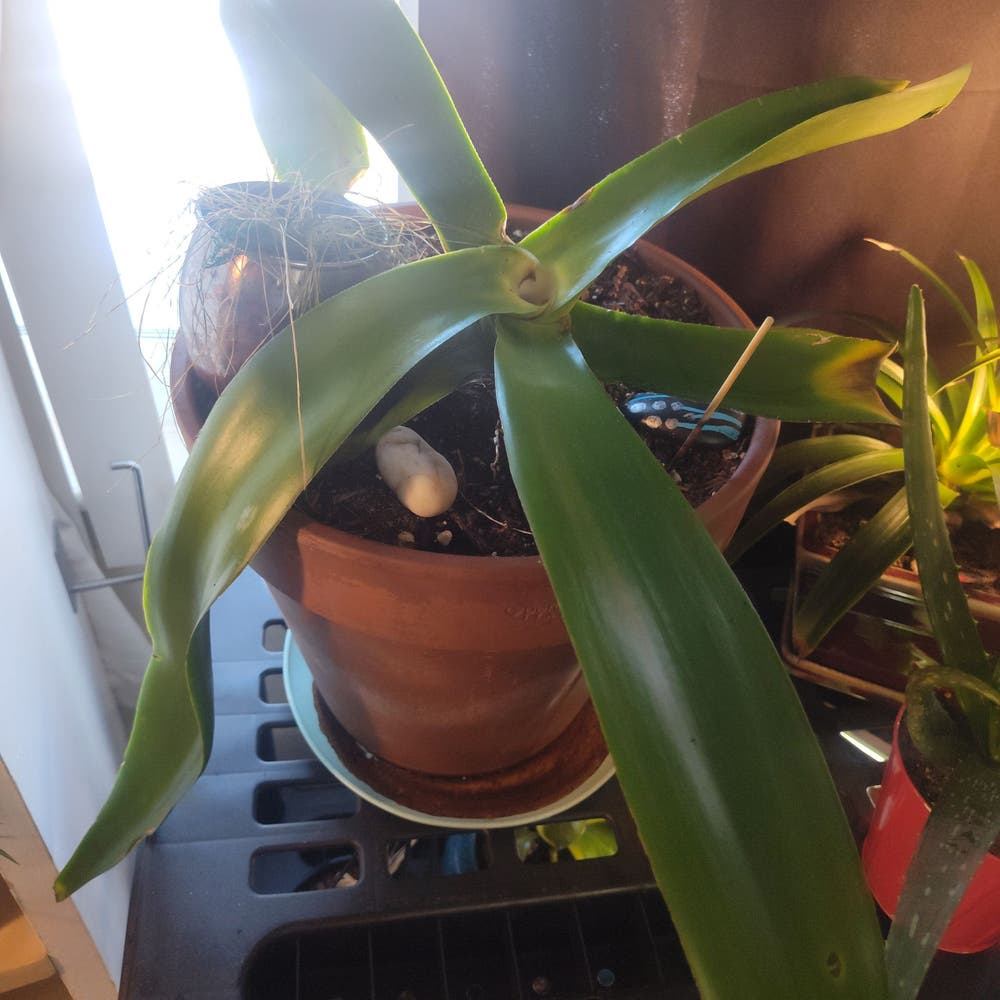
😓 Why Are My Century Plant Leaves Falling Over?
Agave americana
By the Greg Editorial Team
Jun 08, 2024•7 min read
This article was created with the help of AI so we can cover more plants for you. May contain errors. See one? Report it here.
Prevent your Century Plant from wilting 🌵 with these essential care tips for robust leaves!
- Monocarpic nature: Century Plants bloom once, then perish.
- Water wisely: Over/underwatering leads to drooping leaves.
- Pest vigilance: Agave snout weevils can topple leaves.
Causes of Century Plant Leaves Falling Over
🌼 Natural Life Cycle
Century Plants are monocarpic, meaning they flower once and then die. If your plant has recently bloomed, it's normal for leaves to droop as the plant reaches the end of its lifespan.
💦 Overwatering
Too much love in the form of water can be a death sentence for Century Plants. Excess moisture leads to root rot, compromising the plant's ability to stand tall. Yellow, swollen leaves are a telltale sign you're overdoing the hydration.
🏜️ Underwatering
Conversely, a thirsty Century Plant is a droopy one. Underwatering causes leaves to wilt and lose their structural integrity. If the leaves seem parched and lifeless, it's time to reassess your watering schedule.
🐜 Pest Infestation
Agave snout weevils are the bane of Century Plants. These critters burrow into the plant, causing internal damage that leads to leaves falling over. Keep an eye out for the unwelcome guests and take action if they're spotted.
🌞 Environmental Factors
Don't underestimate the power of the elements. Extreme temperatures and inadequate sunlight can wreak havoc on your plant's posture. Leaves may fall over if the plant is either sun-starved or scorched.

Recognizing Signs of Distress
💦 Overwatering Symptoms
Yellowing leaves may seem like a plant's cry for more water, but it's often the opposite. If your Century Plant's leaves look swollen or translucent, it's screaming, "Hold up on the H2O!" These leaves might even burst, a clear sign you've been too generous with the watering can. Check the soil; if it's soggy, you've found the culprit. And if the roots are brown or black and give off a mushy vibe, it's time for emergency care—root rot has checked in.
🏜️ Underwatering Red Flags
An underwatered Century Plant has all the drama of a neglected cactus. Leaves that are wrinkled, brown, or crispy are waving a big red flag. If the soil's pulling a disappearing act from the pot's edges, your plant is parched. Give it a good soak; think of it as a spa day for your thirsty friend. Remember, a little neglect might slide, but a full-on drought? Not so much.
🐜 Pest Infestation Clues
Pests are sneaky little buggers, but they leave clues. If your plant's structure is more wobbly than a Jenga tower mid-game, you might have uninvited guests. Agave snout weevils are notorious for turning robust plants into wimps. Keep an eye out for holes or other damage that could signal an infestation.
🌿 Environmental Stress Signals
Century Plants love the sun, but too much can turn into a bad sunburn. Leaves that look sun-scorched or have dry, brittle edges are sending an SOS for some shade. Conversely, if your plant is reaching for the light like a kid for candy, it's probably not getting enough. And let's not forget temperature—extreme heat or cold can send your plant into a tailspin. Keep it comfy, or watch for signs of protest.
Remember, your Century Plant isn't just being dramatic—it's communicating. Listen up, and you'll both be happier for it.

Alleviating and Preventing Century Plant Leaf Drooping
💧 Proper Watering Techniques
Overwatering is like giving your plant an all-access pass to a water park—fun at first, but eventually, everything gets soggy. To avoid this, water only when the top inch of soil is dry. Underwatering is equally problematic, leaving your plant thirstier than a marathon runner without a water station. Check the soil's moisture level before watering; aim for a happy medium where the soil is moist but not drenched.
🌱 Soil Considerations
The right soil is like a good pair of jeans—it should fit just right and have enough pockets. For your Century Plant, well-draining soil is non-negotiable. It prevents root rot and gives roots the "breathing room" they need to support those hefty leaves.
🐜 Pest Management
Pests are the uninvited party crashers of the plant world. Regularly inspect your Century Plant for freeloaders like agave snout weevils. If you spot trouble, show them the door with appropriate pest control measures. Remember, a clean plant is less likely to attract pests.
🌞 Environmental Control
Your Century Plant's environment should be as stable as your favorite barista's hand when pouring latte art. Avoid extreme temperature changes and ensure the plant gets bright but indirect sunlight. Too much direct sun can stress the leaves, causing them to droop like overcooked spaghetti.
🌿 Structural Support
Sometimes, a little support goes a long way—like a friend's reassurance or a well-placed stake for your Century Plant. As it matures and the leaves become heavier, consider staking or using a support structure to keep them upright. It's like a trusty back brace for your plant's golden years.

Pruning and Maintenance
💇♂️ Dead or Decaying Leaves
Trimming off dead or decaying leaves is like giving your Century Plant a new lease on life. It's not just about keeping up appearances; it's about redirecting energy to the parts of the plant that are still kicking. Use clean, sharp scissors and cut close to the base without nicking the healthy flesh.
✂️ Tidy Appearance and Energy Direction
Keep your Century Plant looking sharp and ensure it's not wasting effort on a lost cause. Regular grooming keeps it from becoming the botanical equivalent of a wild, untamed beast. It's about strategic cuts that help the plant focus on growing strong, healthy leaves.
👀 Regular Inspection and Care
It's not enough to give your plant a once-over when you remember. Regular inspections are key to catching issues early. Look for signs of pests, diseases, or just general malaise. A little TLC goes a long way in preventing a full-blown plant crisis.
🌿 Pruning Techniques
When you're pruning, it's not just snip-snip and done. You've got to be a bit of a plant whisperer, understanding where to cut for the best results. Prune with purpose—too high and you invite disease, too low and you might hurt the plant's chances of regrowth. It's a delicate dance between plant health and plant aesthetics.
🌱 Pruning in Moderation
Remember, your Century Plant isn't a hedge—it doesn't need a buzz cut. Prune in moderation. Going Edward Scissorhands on it can cause more harm than good. A gentle trim a few times a year is better than a drastic chop. Keep it balanced to avoid shocking the plant or stunting its growth.
General Care Tips for Century Plants
🌞 Ideal Growing Conditions
Century Plants, or Agave americana, thrive in the spotlight—quite literally. They demand a minimum of 6 hours of direct sunlight daily to perform their best. Think of them as sunbathers; they soak up those rays and, in return, grace your garden with their imposing presence. They're not fussy about their soil, as long as it's well-drained. Sandy or gritty, it doesn't matter, but wet feet are a no-go. These plants despise soggy conditions as much as cats hate water—root rot is the grim reaper in damp soils.
💡 Fertilization
Let's talk food. While Century Plants aren't gluttons, they do appreciate a balanced meal. Fertilize sparingly—overfeeding is like giving them an all-you-can-eat buffet when they're on a diet. Stick to a diluted liquid fertilizer every now and then during the growing season to keep them robust without tipping the scales.
🍽️ Repotting
When it comes to living quarters, Century Plants are like growing teenagers—they need space, and lots of it. Repotting is like moving them from a cramped studio to a spacious loft. Do it before they start knocking over furniture, which in plant terms means before their roots start circling the pot like a caged animal. Use a fresh, free-draining potting mix and a pot that gives them room to grow without tripping over themselves. Remember, they can get quite large, so plan accordingly unless you want a botanical Godzilla on your hands.
Remember, folks, Century Plants are the strong, silent type—they won't whine for attention, but treat them right, and they'll be your stoic garden sentinels for years to come.
⚠️ Safety First
This content is for general information and may contain errors, omissions, or outdated details. It is not medical, veterinary advice, or an endorsement of therapeutic claims.
Always consult a qualified healthcare professional before using any plant as food, medicine, or supplement.
Never eat any plant (or feed one to pets) without confirming its identity with at least two trusted sources.
If you suspect poisoning, call Poison Control (800) 222-1222, the Pet Poison Helpline (800) 213-6680, or your local emergency service immediately.
Spotted an error? Please report it here.
Prevent your Century Plant from succumbing to droops and pests by letting Greg track your watering and pest alerts to keep it standing tall. 🌵