🌸 Ultimate Guide to Carnation Size
Dianthus caryophyllus
By the Greg Editorial Team
Oct 10, 2024•5 min read
This article was created with the help of AI so we can cover more plants for you. May contain errors. See one? Report it here.
- 🌱 Carnations grow 12-24 inches tall; dwarf varieties are perfect for containers.
- ☀️ Full sun (6-8 hours) is vital for vibrant blooms and optimal growth.
- 🌿 Soil quality and moisture significantly impact carnation size and health.
Mature Height and Spread
Typical Mature Dimensions 🌱
Carnations typically reach a height of 12 to 24 inches (30 to 60 cm) at maturity. Their spread generally ranges from 12 to 18 inches (30 to 45 cm), making them a versatile choice for various garden settings.
Factors Influencing Mature Size 🌍
Several factors can influence the mature size of your carnations.
Varietal Differences 🌼
Different varieties exhibit distinct growth patterns. Standard varieties tend to be taller, while dwarf varieties stay compact, and giant varieties can soar even higher.
Growth Habits 🌿
The growth habit also plays a crucial role. Erect forms stand tall and proud, while sprawling varieties may spread out more horizontally, affecting their overall dimensions.
Environmental Conditions ☀️
Lastly, environmental conditions significantly impact mature size. Factors like soil quality, sunlight, and climate can either enhance or hinder growth, leading to variations in height and spread.
Understanding these elements can help you cultivate the perfect carnation for your garden. Next, let’s explore how growth rates and time to reach full size can further inform your gardening decisions.
Growth Rate and Time to Full Size
🌱 Growth Rate
Carnations are known for their moderate growth rate, typically reaching 6 to 12 inches (15 to 30 cm) per month during the peak growing season. From planting, you can expect them to reach full size in approximately 3 to 4 months.
⚖️ Factors Affecting Growth Rate
Several factors can influence how quickly your carnations grow.
🌿 Soil Fertility and Composition
The quality of your soil plays a crucial role. Fertile, well-drained soil provides the nutrients necessary for robust growth.
☀️ Light Exposure and Duration
Carnations thrive in full sun, needing 6 to 8 hours of sunlight daily. Insufficient light can stunt their growth and affect overall health.
💧 Watering Frequency and Method
Watering is another critical factor. Consistent moisture is essential, but overwatering can lead to root rot, hindering growth.
Understanding these elements can help you create the ideal environment for your carnations, ensuring they flourish beautifully. With the right conditions, you'll be rewarded with vibrant blooms that enhance your garden's charm.
Size Variability Among Varieties
🌱 Dwarf Varieties
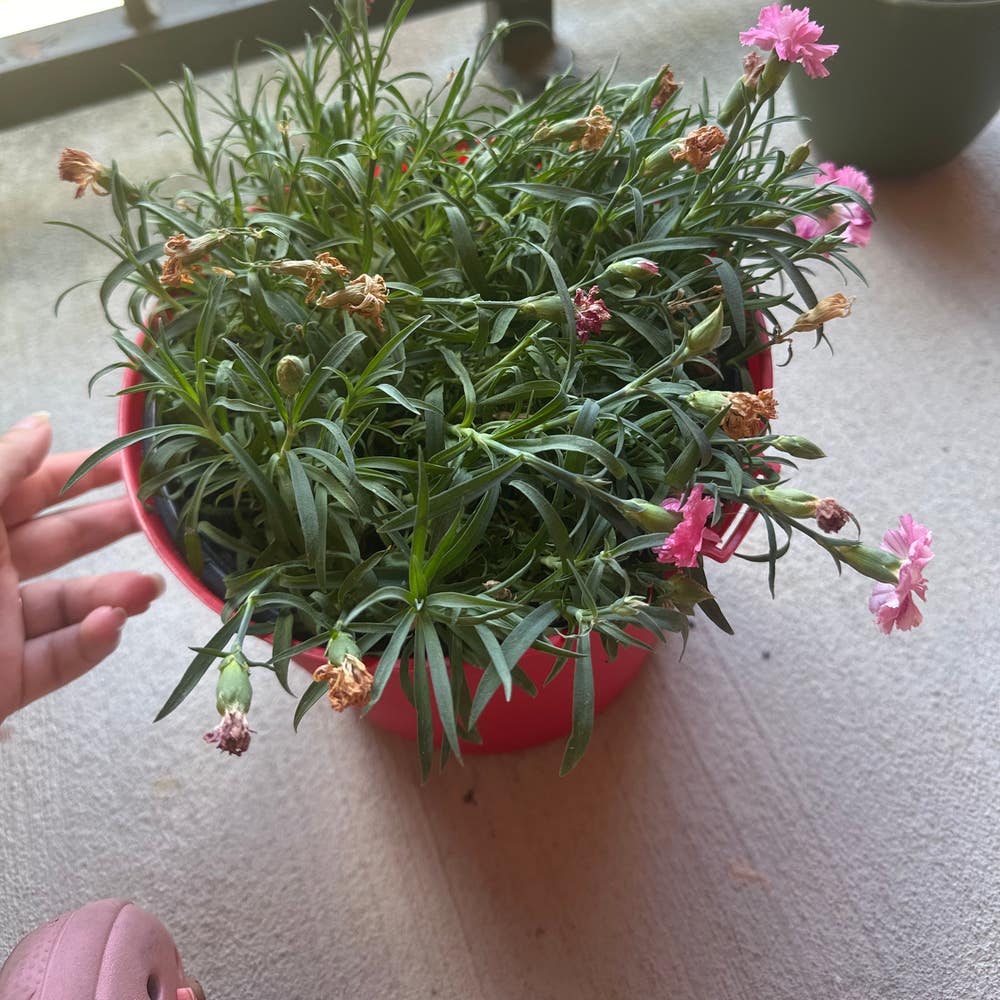
Dwarf carnations are charming little plants, typically standing between 6 to 12 inches (15 to 30 cm) tall. Varieties like 'Tiny Tim' and 'Dwarf Pink' are perfect for container gardening and borders, adding a splash of color without overwhelming smaller spaces.
🌼 Giant Varieties
On the other end of the spectrum, giant carnations can tower at heights of 24 to 36 inches (60 to 90 cm). Varieties such as 'Chabaud' and 'Giant Pink' serve as stunning focal points in garden beds and arrangements, making a bold statement wherever they bloom.
🧬 Influence of Breeding Practices
The size variations in carnations are not just a matter of chance; they stem from historical breeding practices. Over the years, growers have selectively bred for specific traits, leading to the diverse range of sizes we see today. This evolution reflects both aesthetic preferences and practical gardening needs, showcasing the adaptability of this beloved flower.
As you explore the different sizes of carnations, consider how these variations can enhance your garden's design and functionality. Next, let’s dive into how growing conditions can further influence the size of these beautiful blooms.
Influence of Growing Conditions
🌱 Soil Type
Carnations thrive in well-drained, fertile soils. Aim for a soil pH between 6.0 and 7.0 to ensure optimal growth.
☀️ Light Requirements
Full sun exposure, ideally 6 to 8 hours daily, is crucial for robust growth. Partial shade can hinder height and spread, leading to less vibrant blooms.
💧 Watering Practices
Maintaining consistent moisture is key, but be cautious of overwatering. Aim for about 1 inch of water per week to keep roots healthy and promote size.
🌡️ Temperature and Climate
Carnations prefer a temperature range of 60°F to 75°F (15°C to 24°C). Extreme temperatures can stunt growth and affect overall size, so monitor conditions closely.
Understanding these growing conditions can significantly impact the health and size of your carnations. With the right care, you can cultivate stunning blooms that elevate your garden's beauty.
Controlling Size
🌿 Pruning Techniques
To keep your carnations in check, timing is everything. Prune them in early spring, just before new growth starts, to encourage a fuller, bushier appearance.
Pinching back the tips of the stems is a simple yet effective technique. This method promotes branching, resulting in a more compact plant.
📏 Tips for Maintaining Dimensions
Regular monitoring is key to maintaining your carnations' size. Keep an eye on their growth and adjust your care practices as needed.
For taller varieties, using stakes or supports can prevent bending. This ensures they stand tall and proud in your garden.
🌱 Fertilization Practices
Fertilization plays a crucial role in size control. Recommended NPK ratios like 10-10-10 or 20-20-20 can help manage growth effectively.
Timing is also important; fertilize every 4-6 weeks during the growing season. This will provide the nutrients your carnations need to thrive without becoming unruly.
With these techniques, you'll be well-equipped to control the size of your carnations, ensuring they fit perfectly into your garden design. Next, let’s explore how various growing conditions can further influence their growth and overall health.
⚠️ Safety First
This content is for general information and may contain errors, omissions, or outdated details. It is not medical, veterinary advice, or an endorsement of therapeutic claims.
Always consult a qualified healthcare professional before using any plant as food, medicine, or supplement.
Never eat any plant (or feed one to pets) without confirming its identity with at least two trusted sources.
If you suspect poisoning, call Poison Control (800) 222-1222, the Pet Poison Helpline (800) 213-6680, or your local emergency service immediately.
Spotted an error? Please report it here.
Unlock the secret to vibrant carnation blooms 🌸 by using Greg's tailored watering reminders and soil tips to ensure your garden flourishes beautifully!