🌟 Why Are There Brown Spots on My Star Fruit Leaves?
Averrhoa carambola
By the Greg Editorial Team
Jun 18, 2024•4 min read
This article was created with the help of AI so we can cover more plants for you. May contain errors. See one? Report it here.
Banish brown spots on your star fruit leaves 🍃—discover the must-know fixes for a thriving plant!
- Brown spots signal distress, often due to fungal or bacterial infections.
- Care mistakes contribute; proper watering and air circulation are key.
- Prevent with balance: right sunlight, shade, and well-draining soil.
Spotting the Trouble: Recognizing Brown Spots
🍂 What Do Brown Spots Look Like?
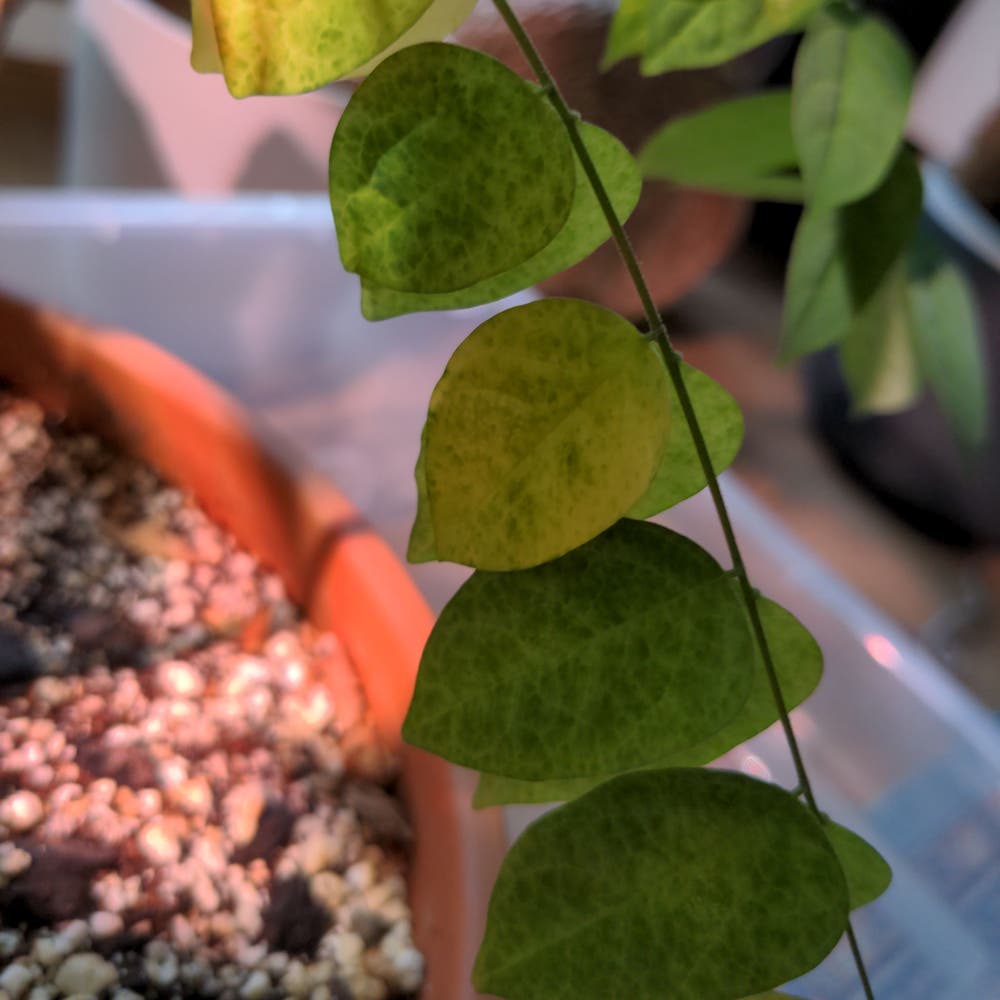
Brown spots on Star Fruit leaves can be deceptive. They aren't just a cosmetic issue; they're a cry for help. Size and shape matter. You might see tiny speckles or large blotches, round or irregular. Some spots boast a yellow halo, signaling a problem beneath the surface. Texture varies too—some spots are dry and crispy, others look like they've had a soak.
🕵️ Where to Look for Them
Check everywhere—tops and bottoms of leaves, along the edges, and near the veins. Brown spots like to play hide-and-seek, so inspect your Star Fruit leaves thoroughly. If you spot a pattern of spread or a change in leaf texture, it's time to act. Remember, early detection is key to saving your plant's health.

The Usual Suspects: Identifying the Cause
🍄 Fungal Foes
Anthracnose and cercospora are the fungal villains often responsible for the unsightly brown spots on Star Fruit leaves. These spots are the graffiti of the fungal world, defacing your plant's natural beauty. Anthracnose manifests as circular lesions, sometimes with a yellow halo, like a bullseye on your plant's foliage. Cercospora, on the other hand, tends to show up as smaller, darker spots. Both thrive in the plant equivalent of a steamy bathroom—high humidity and moist conditions.
🦠 Bacterial Bullies
Bacterial infections, such as those caused by Xanthomonas campestris, can also lead to brown spots. These spots often appear water-soaked, a telltale sign you're dealing with a bacterial rather than a fungal issue. They're like the uninvited guests who slip into the party unnoticed and then refuse to leave, causing more and more damage over time.
🌿 Environmental Enemies
Sometimes, the cause of brown spots is not an organism but a care mistake. Overwatering, poor air circulation, and excessive humidity can roll out the red carpet for both fungal and bacterial pathogens. It's like throwing a party and accidentally inviting all the wrong people—soon enough, things get out of hand. Keep an eye on your plant care routine to ensure you're not inadvertently setting the stage for these unwelcome visitors.

The Battle Plan: Treating Brown Spots
🍄 Fungicide to the Rescue
When the organic mix of baking soda and soap doesn't cut it, it's time for copper-based fungicides. Apply according to the label—this isn't a free-for-all. Suit up with gloves and a mask because this is serious business. Spray every leaf thoroughly, front and back, every two weeks. Miss a spot, and you're practically inviting the fungus to stay.
✂️ Clean Cuts and Clear Space
Pruning isn't just for looks; it's a strategic move. Use sterilized shears to remove infected leaves, cutting just above a node. It's like excising bad tissue—only the good should remain. Sanitation is your silent ally. Keep your garden clean, and water with the precision of a bomb diffuser to avoid splashing. Remember, cleanliness is a mighty shield against pathogens.
Shielding Your Star Fruit: Prevention Tactics
💧 Water Wisely
Consistency is key when watering your Star Fruit. Overwatering invites fungal parties, while underwatering stresses the plant. Water at the base to keep leaves dry, and adjust your routine with the seasons—less in the cool months, more when it's hot.
🌞 Sun and Shade: Striking a Balance
Star Fruit plants enjoy their sunlight like a lazy cat in a windowsill—enough to bask in, but not so much they overheat. Use sheer curtains or shade cloth to protect against the harshest rays, preventing leaf scorch and those unsightly brown spots.
🌱 Soil and Drainage: Laying the Foundation
Your Star Fruit's soil should drain like a colander, not like a clogged sink. Opt for well-draining soil and consider adding organic matter to improve soil structure. A happy root system means a lower chance of brown spots making an unwelcome appearance.
⚠️ Safety First
This content is for general information and may contain errors, omissions, or outdated details. It is not medical, veterinary advice, or an endorsement of therapeutic claims.
Always consult a qualified healthcare professional before using any plant as food, medicine, or supplement.
Never eat any plant (or feed one to pets) without confirming its identity with at least two trusted sources.
If you suspect poisoning, call Poison Control (800) 222-1222, the Pet Poison Helpline (800) 213-6680, or your local emergency service immediately.
Spotted an error? Please report it here.
Banish those brown spots 🍂 on your Star Fruit leaves with Greg's custom watering plans and environmental monitoring, ensuring your plant's health is spot-on!