Ultimate Guide to Fixing Brown Spots on Carnation 🌸
Dianthus caryophyllus
By the Greg Editorial Team
Oct 10, 2024•5 min read
This article was created with the help of AI so we can cover more plants for you. May contain errors. See one? Report it here.
- 💧 Watering habits matter; both overwatering and underwatering cause brown spots on carnations.
- 🌞 Carnations need 6-8 hours of sunlight daily to thrive and prevent issues.
- 🐛 Regular pest checks are essential; aphids and spider mites can harm your plants.
Diagnosing the Problem
Assessing Watering Practices 🌊
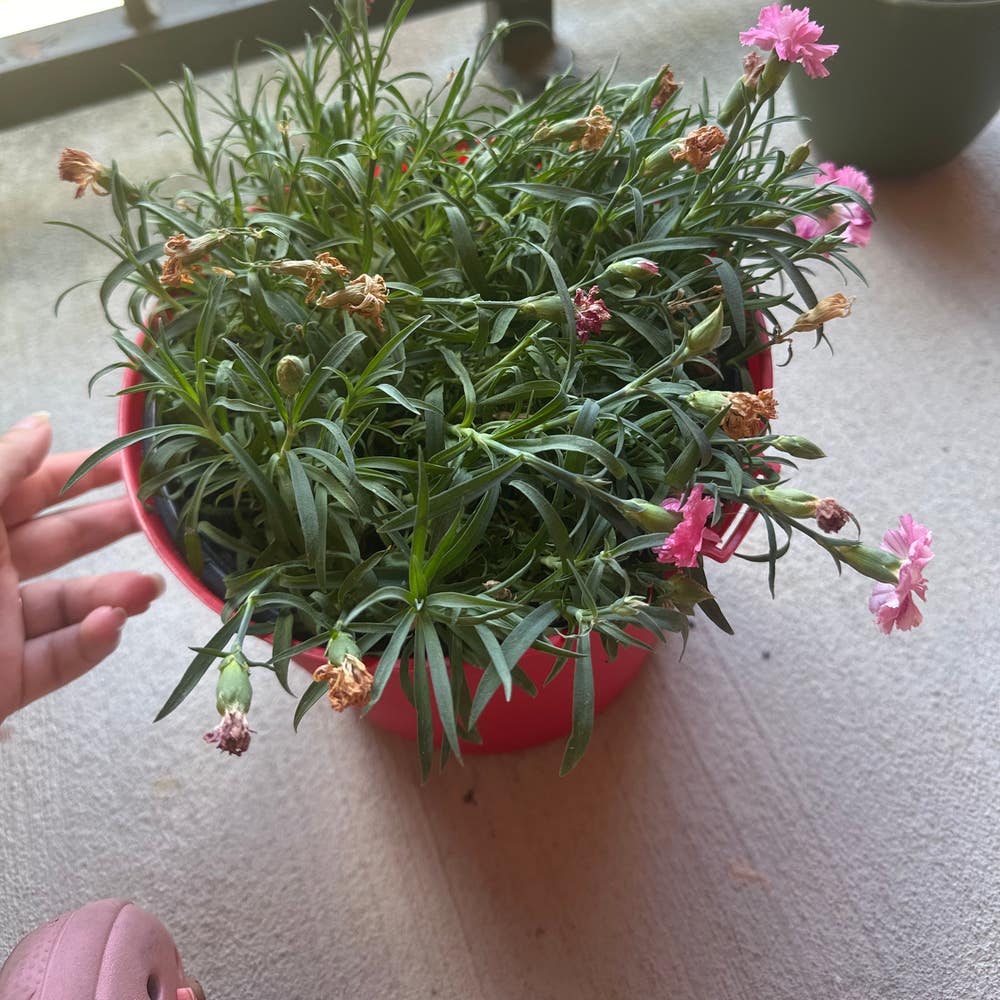
Understanding your watering habits is crucial for your carnations' health. First, assess how often you water; both overwatering and underwatering can lead to brown spots.
To get a clearer picture, use a moisture meter. This handy tool helps gauge soil conditions, ensuring your plants get just the right amount of moisture.
Evaluating Soil Conditions 🌱
Next, examine your soil's drainage. Compacted soil or poor drainage can create a soggy environment, which is detrimental to your carnations.
Also, check the pH levels. Ideally, you want slightly alkaline conditions, ranging from pH 6.5 to 7.5, to keep your plants thriving.
Checking for Pests and Diseases 🐛
Pests can wreak havoc on your carnations. Common culprits include aphids, spider mites, and thrips, which can cause significant damage if left unchecked.
Look for signs of infestation, such as sticky residue, webbing, or visible insects. Early detection is key to preventing further issues.
Analyzing Light Exposure ☀️
Light exposure is another critical factor. Carnations thrive in full sun, requiring 6 to 8 hours of direct sunlight daily.
If you notice stretching stems or pale leaves, your plants may not be getting enough light. Adjust their placement to ensure they receive optimal sunlight for healthy growth.
By diagnosing these key areas, you can effectively tackle the brown spots on your carnations. Next, let’s explore treatment options to restore their vibrancy.
Treatment Options
🌱 Organic Solutions for Brown Spots
Organic treatments can be a game-changer for your carnations. Neem oil is a standout option, effectively combating both pests and fungal infections without harsh chemicals.
Another great choice is a baking soda spray. This simple solution helps control fungal growth, making it a must-have in your gardening toolkit.
⚗️ Chemical Treatments for Fungal Infections
When it comes to more severe fungal issues, fungicides are your best bet. Look for products specifically targeting Botrytis and Cercospora, as these are common culprits behind brown spots.
Timing is crucial for application. Aim to spray early in the morning or late in the afternoon to minimize the risk of leaf burn.
💧 Adjusting Watering and Fertilization
Your watering schedule plays a vital role in plant health. Allow the soil to dry slightly between waterings to prevent overwatering, which can lead to brown spots.
Fertilization is equally important. Use a balanced fertilizer during the growing season to provide your carnations with the nutrients they need to thrive.
✂️ Pruning Affected Leaves
Pruning is an essential step in managing brown spots. Use clean, sharp pruning shears to remove any leaves showing signs of brown spots.
This technique not only improves the plant's appearance but also helps prevent the spread of any potential infections.
With these treatment options, you can effectively tackle brown spots and keep your carnations healthy and vibrant. Next, let’s explore preventive measures to ensure your plants stay in top shape year-round.
Preventive Measures
Best Practices for Watering Carnations 🌊
To keep your carnations thriving, consider using drip irrigation or watering directly at the base of the plant. This method minimizes water on the leaves, reducing the risk of fungal diseases.
Watering early in the day is ideal, as it helps lower humidity levels around the plant. This simple timing adjustment can make a significant difference in preventing brown spots.
Soil Amendments for Better Drainage 🏞️
Improving soil drainage is crucial for healthy carnation growth. Incorporating organic matter like compost or perlite can enhance soil structure and promote better water retention without waterlogging.
Additionally, applying a layer of mulch helps maintain moisture levels while preventing excess water accumulation. This dual approach ensures your plants have the right environment to flourish.
Regular Inspection for Pests 🔍
Regular inspections are key to catching problems early. Aim for weekly checks to spot any signs of pests or diseases before they escalate.
During peak growing seasons, stay vigilant. A little attention can go a long way in keeping your carnations healthy and vibrant.
Optimal Light Conditions for Growth ☀️
Ensure your carnations receive adequate sunlight by placing them in a location that gets full sun. Ideally, they should bask in 6-8 hours of sunlight daily for optimal growth.
If necessary, adjust your garden layout or move pots to maximize light exposure. This small change can significantly enhance your plants' overall health and appearance.
By implementing these preventive measures, you can create a thriving environment for your carnations. Next, let’s explore how to adjust care during different growth phases to further support their health.
Seasonal Considerations
Adjusting Care During Different Growth Phases 🌱
Carnations thrive on a tailored care routine that changes with their growth phases. During active growth, increase fertilization to support robust development and vibrant blooms.
In contrast, as winter approaches and plants enter dormancy, it's crucial to reduce watering and halt fertilization. This helps prevent root rot and prepares your carnations for a restful season.
Winter Care Tips to Prevent Brown Spots ❄️
Winter can be tough on your carnations, but a few protective measures can make a big difference. Consider using frost cloths or moving pots indoors to shield them from harsh temperatures.
Additionally, be mindful of watering. Ensure the soil remains slightly moist but not overly wet during the cold months to avoid brown spots and other issues.
With these seasonal adjustments, your carnations will be better equipped to flourish year-round. Next, let’s explore preventive measures to keep your plants healthy and vibrant.
⚠️ Safety First
This content is for general information and may contain errors, omissions, or outdated details. It is not medical, veterinary advice, or an endorsement of therapeutic claims.
Always consult a qualified healthcare professional before using any plant as food, medicine, or supplement.
Never eat any plant (or feed one to pets) without confirming its identity with at least two trusted sources.
If you suspect poisoning, call Poison Control (800) 222-1222, the Pet Poison Helpline (800) 213-6680, or your local emergency service immediately.
Spotted an error? Please report it here.
Keep your carnations spot-free 🌼 and flourishing by using Greg's tailored watering reminders and pest alerts to ensure they get the care they need!