🌸 8 Key Factors in Choosing a Carnation Pot
Dianthus caryophyllus
By the Greg Editorial Team
Oct 10, 2024•6 min read
This article was created with the help of AI so we can cover more plants for you. May contain errors. See one? Report it here.
- 🌱 Pot size is crucial for healthy Carnation growth at every stage.
- 🏺 Choose clay for air circulation but beware of weight and cracking.
- 💧 Ensure proper drainage to prevent root rot and promote healthy roots.
Pot Size for Different Growth Stages
🌱 Importance of Pot Size
Choosing the right pot size is crucial for the healthy growth of your Carnations. Each growth stage requires specific pot dimensions to support root development and overall plant health.
🌿 Seedlings
For seedlings, a pot size of 3-4 inches in diameter is ideal. This size allows for adequate root development without overcrowding, ensuring your young plants have the space they need to thrive.
🌼 Young Plants
As your Carnations grow, transition to a pot size of 6-8 inches in diameter. This size provides ample space for growth while maintaining moisture balance, which is essential for young plants.
🌸 Mature Plants
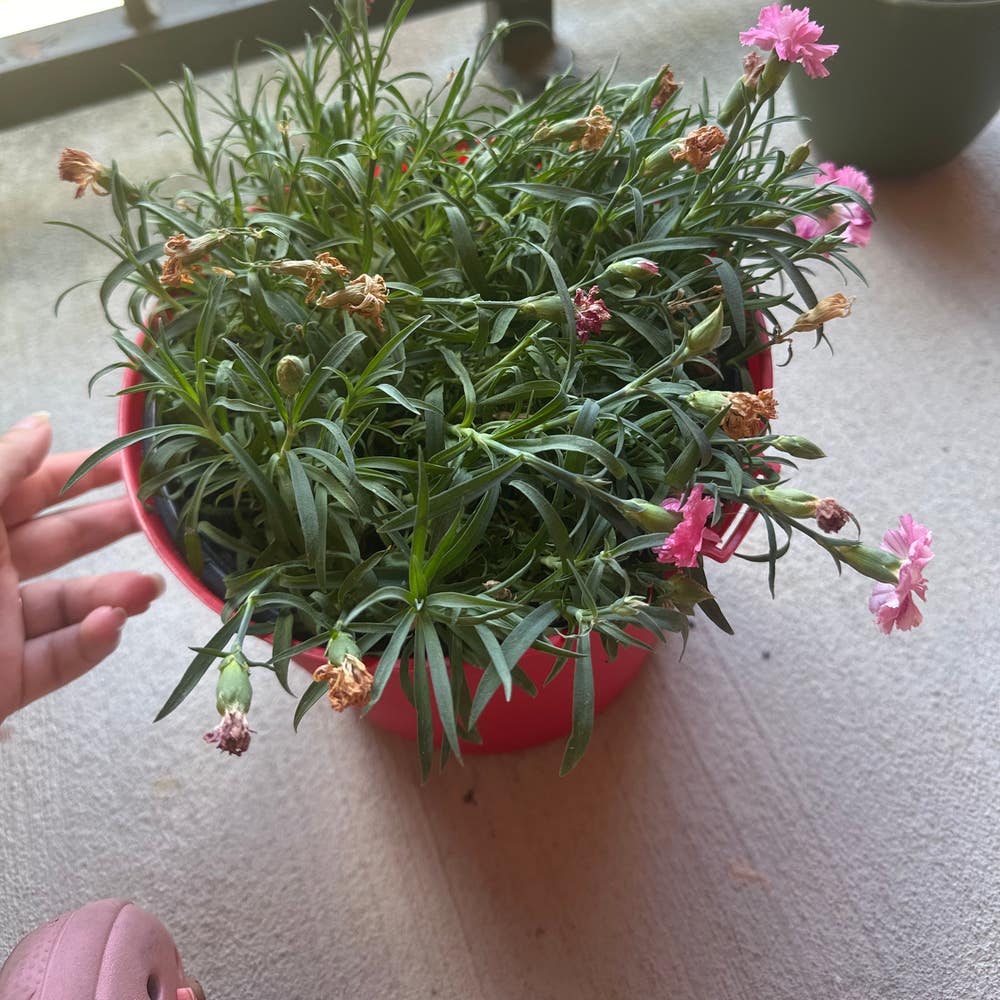
When your Carnations reach maturity, opt for a pot size of 10-12 inches in diameter. This larger size ensures sufficient room for root expansion and nutrient uptake, promoting robust growth.
📏 General Rule
A good rule of thumb is to increase the pot size by 2 inches in diameter as the plant grows. This gradual increase helps accommodate the expanding root system while preventing stress on the plant.
Understanding the importance of pot size at each growth stage will set your Carnations up for success. Next, let’s explore the ideal pot materials that can further enhance their growth.
Ideal Pot Materials
🌱 Clay Pots
Clay pots are a popular choice for many gardeners, especially for Carnations. They offer excellent air circulation for roots, which is crucial for healthy growth.
Additionally, clay pots naturally regulate moisture, helping to prevent overwatering. However, they come with some downsides.
Clay pots are heavier and less portable, making them a bit cumbersome to move around. They can also crack in extreme temperatures, which is something to consider if you live in a climate with harsh weather.
🪴 Plastic Pots
On the other hand, plastic pots are lightweight and easy to move, making them a favorite for those who like to rearrange their plants. They retain moisture better than clay, which can be beneficial for Carnations that prefer consistent hydration.
Yet, there are drawbacks to plastic pots as well. They are less breathable, which can lead to root rot if drainage isn’t managed properly. Additionally, plastic may degrade over time when exposed to UV rays, impacting its durability.
Choosing the right pot material is essential for the health of your Carnations. Understanding the pros and cons of each option will help you make an informed decision that supports your plants' growth.
As you consider pot materials, keep in mind how they align with your gardening style and the specific needs of your Carnations. This will set the stage for a thriving garden.
Next, let’s dive into drainage considerations, another crucial factor in ensuring your Carnations flourish.
Drainage Considerations
🌊 Importance of Drainage Holes
Drainage holes are crucial for preventing water from accumulating at the bottom of your pot. This feature helps maintain optimal moisture levels for your Carnation roots, ensuring they thrive.
For effective water management, it's recommended to have at least 3-5 drainage holes. This simple addition can make a world of difference in your plant's health.
🌱 How Drainage Impacts Root Health
Proper drainage is your best defense against root rot, a common issue that plagues Carnations. When water drains effectively, it allows oxygen to reach the roots, promoting healthy growth.
Using a well-draining soil mix alongside drainage holes is essential. This combination ensures your Carnations get the moisture they need without the risk of drowning.
In summary, prioritizing drainage will set your Carnations up for success. With the right pot and soil, you'll foster an environment where they can flourish beautifully.
Next, let's explore the guidelines for repotting your Carnations to keep them growing strong.
Repotting Guidelines
When to Repot Carnation 🌱
Repotting your Carnation is essential for its health and growth. Aim to do this every 1-2 years or whenever you notice the plant outgrowing its current pot.
The best time for repotting is early spring, just before the growing season kicks off. This timing helps your plant adjust and thrive in its new environment.
Signs That Indicate the Need for a New Pot 🚨
Keep an eye out for specific signs that your Carnation needs a new pot. If you see roots poking through the drainage holes, it's a clear indication that it's time to repot.
Other signs include water pooling on the surface after watering and stunted growth, even with proper care. These symptoms suggest your plant is cramped and needs more space.
Choosing the Right Pot During Repotting 🪴
When selecting a new pot, choose one that is 2 inches larger in diameter than the current pot. This extra space allows for healthy root expansion.
Make sure the new pot has adequate drainage holes to prevent water accumulation. Additionally, consider the pot material based on your plant's moisture needs and the environmental conditions it will face.
With these guidelines, your Carnation will have the best chance to flourish in its new home. Next, let’s explore common mistakes in pot selection to ensure you avoid pitfalls in your gardening journey.
Common Mistakes in Pot Selection
🪴 Overlooking Pot Size
Choosing the wrong pot size can severely impact your Carnation's health. A pot that's too small restricts root growth, while one that's too large can lead to overwatering and root rot.
Monitoring your plant's growth stages is crucial. As your Carnation matures, adjusting the pot size ensures it has enough room to thrive.
🚰 Ignoring Drainage Needs
Drainage holes are not just an afterthought; they are essential for your plant's survival. Without them, water can accumulate at the bottom, leading to soggy roots and potential rot.
Always select pots designed for flowering plants, as they typically come with adequate drainage features. This simple step can save you from a lot of headaches down the line.
🧱 Choosing Inappropriate Materials
Many gardeners underestimate the impact of pot materials on plant health. Clay pots, while great for air circulation, can crack, while plastic pots may retain too much moisture if not monitored.
It's vital to match the pot material to your Carnation's specific needs. Understanding these nuances can significantly enhance your plant's growth and vitality.
As you consider these common mistakes, remember that the right pot can make all the difference in your Carnation's journey. Next, let’s explore the importance of drainage considerations to ensure your plants flourish.
⚠️ Safety First
This content is for general information and may contain errors, omissions, or outdated details. It is not medical, veterinary advice, or an endorsement of therapeutic claims.
Always consult a qualified healthcare professional before using any plant as food, medicine, or supplement.
Never eat any plant (or feed one to pets) without confirming its identity with at least two trusted sources.
If you suspect poisoning, call Poison Control (800) 222-1222, the Pet Poison Helpline (800) 213-6680, or your local emergency service immediately.
Spotted an error? Please report it here.
Select the perfect pot for your Carnations 🌼 with Greg's tailored advice on size and drainage, ensuring your blooms flourish beautifully!