How to Fix Black Spots on Your Button Fern
Hemionitis rotundifolia
By the Greg Editorial Team
Oct 11, 2024•6 min read
This article was created with the help of AI so we can cover more plants for you. May contain errors. See one? Report it here.
- 🌱 Black spots on Button Ferns often stem from fungal or bacterial infections.
- 💧 Maintain humidity between 50-70% to prevent black spots and promote health.
- 🌞 Indirect sunlight is essential; too much can scorch leaves and cause discoloration.
Causes of Black Spots on Leaves
🦠 Fungal Infections
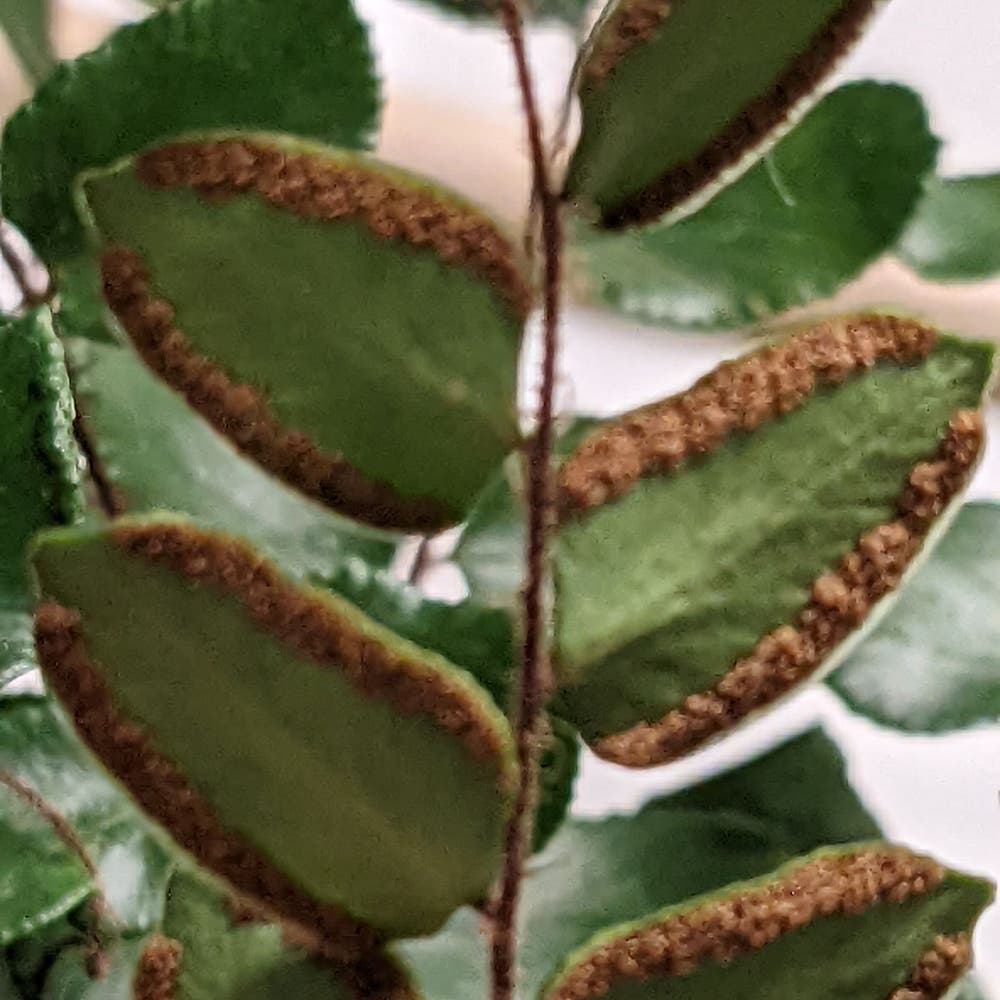
Fungal infections are a primary culprit behind black spots on Button Fern leaves. Common fungi like Alternaria and Phyllosticta can create dark, circular spots often surrounded by yellow halos.
If left untreated, these infections can lead to significant leaf drop, impacting the overall health of your fern.
🦠 Bacterial Infections
Bacterial issues can also manifest as black spots. Bacteria such as Erwinia and Pseudomonas are known to cause water-soaked spots that may ooze.
These symptoms often accompany leaf wilting and decay, signaling a need for immediate attention.
🌧️ Environmental Stress
Humidity Levels
Humidity plays a crucial role in the health of your Button Fern. The ideal humidity range is between 50-70%.
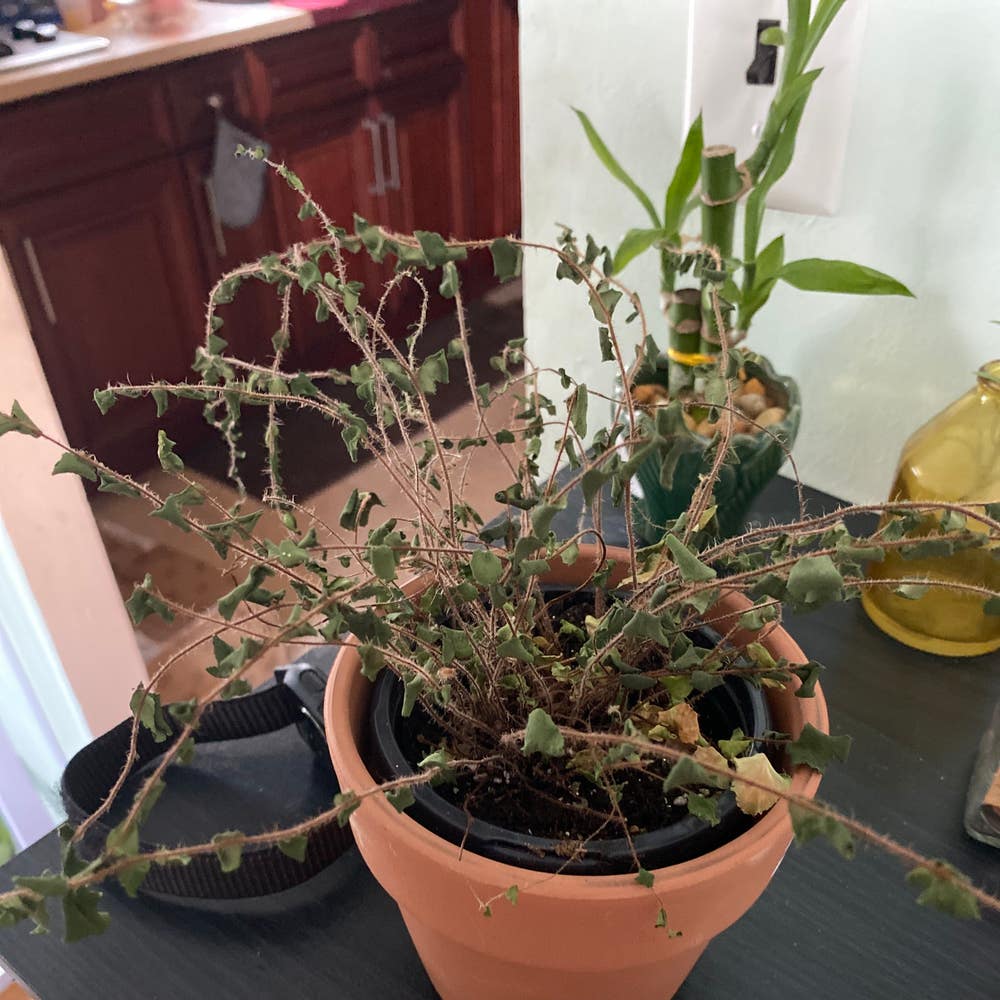
Low humidity can lead to leaf curling and browning edges, making your fern more susceptible to black spots.
☀️ Light Conditions
Light conditions are equally important. Button Ferns thrive in indirect sunlight, which helps maintain their vibrant color.
Too much direct light can cause fading leaf color and scorched spots, indicating that your fern is stressed and needs a change in its environment.
Understanding these causes is essential for effective care. Next, we’ll explore how to diagnose the problem accurately.
Diagnosing the Problem
🌤️ Assessing Environmental Conditions
Light Exposure
To keep your Button Fern thriving, start by checking its light exposure. Direct sunlight can scorch the leaves, leading to unsightly burn marks or discoloration.
For optimal growth, aim for bright, indirect light. This balance helps maintain vibrant foliage without the risk of damage.
Humidity Levels
Next, assess the humidity levels around your fern. Use a hygrometer to measure; the ideal range is between 50-70%.
If the humidity is too low, you might notice leaf curling and the emergence of black spots. Keeping the air moist is crucial for your fern's health.
Temperature Considerations
Temperature plays a significant role in your fern's well-being. The optimal range is between 18°C to 24°C (65°F to 75°F).
If temperatures stray outside this range, you may see wilting or drooping leaves. Maintaining a stable environment is key to preventing stress.
🐛 Inspecting for Pests
Common Pests Affecting Button Fern
Pests can also contribute to the black spots on your Button Fern. Watch out for spider mites and scale insects, which are common culprits.
Signs of infestation include webbing or sticky residue on the leaves. Early detection is vital for effective treatment.
Signs of Pest Infestation
In addition to visible pests, monitor for yellowing leaves and stunted growth. These symptoms often indicate a pest problem that needs addressing.
Check the undersides of leaves regularly to catch any infestations early. Staying vigilant can save your fern from further damage.
With a clear understanding of environmental conditions and pest inspections, you can effectively diagnose the issues affecting your Button Fern. Next, let's explore treatment options to restore its health.
Treatment Options
🏃 Immediate Actions to Take
Pruning Affected Leaves
To start tackling black spots on your Button Fern, grab some clean, sharp scissors.
- Identify and remove leaves with black spots.
- Dispose of leaves properly to prevent the spread of any infections.
Adjusting Watering Practices
Next, take a close look at your watering routine.
- Allow the top inch of soil to dry out between waterings.
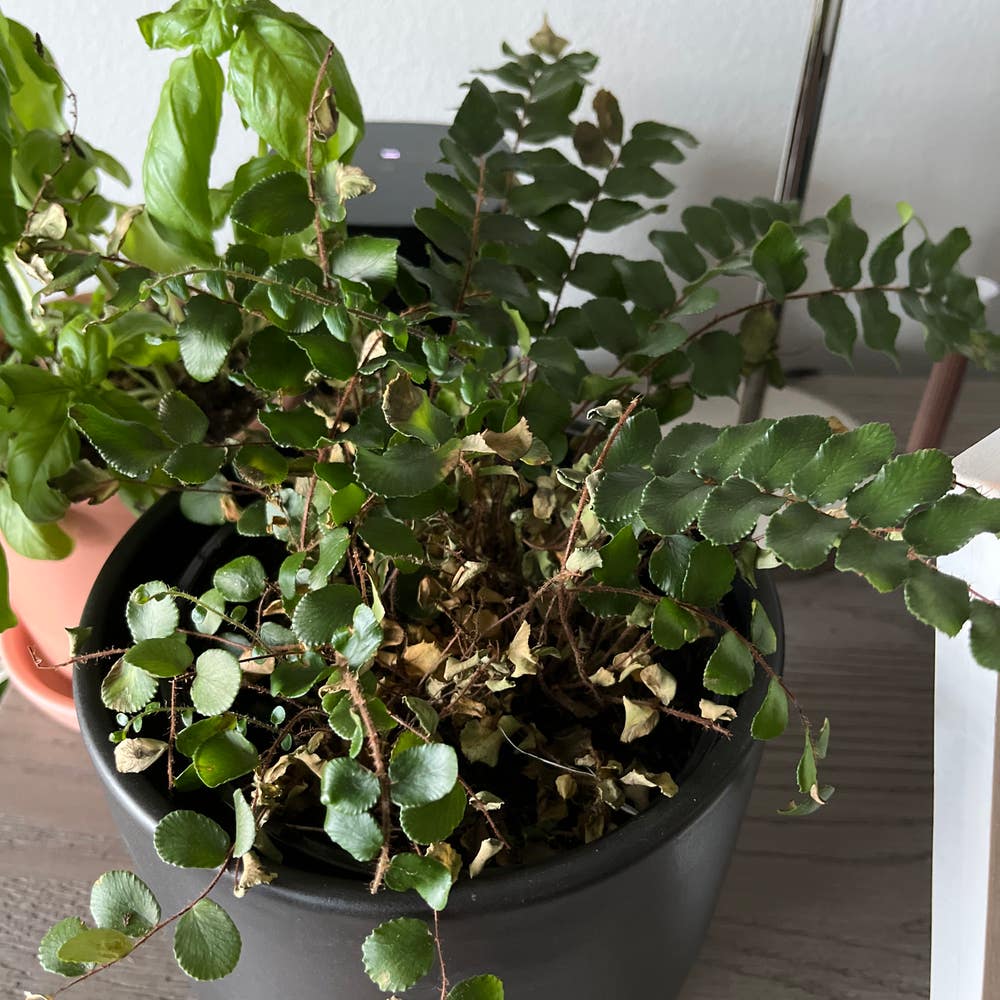
- Watch for signs of overwatering, like yellowing leaves and root rot.
💊 Recommended Treatments
Fungicides for Fungal Infections
If fungal infections are the culprit, consider using fungicides.
- Look for copper-based or systemic fungicides.
- Always follow label directions for dosage and frequency to ensure effectiveness.
Natural Remedies for Bacterial Issues
For bacterial problems, natural remedies can be quite effective.
- A diluted hydrogen peroxide spray works wonders.
- Apply it to affected areas every 7-10 days for best results.
Soil Amendments for Nutrient Deficiencies
Lastly, check your soil mix.
- Use a well-draining potting mix enriched with organic matter.
- Fertilize with a balanced fertilizer every 4-6 weeks during the growing season to keep your fern thriving.
With these treatment options, you’ll be well on your way to restoring your Button Fern's health. Next, let’s explore some preventive measures to keep those pesky black spots at bay.
Preventive Measures
🌱 Best Practices for Button Fern Care
Ideal Humidity and Temperature
Maintaining the right humidity is crucial for your Button Fern's health. Aim for levels between 50-70% by using a humidifier or a pebble tray filled with water.
Keep your fern away from drafts and heat sources to ensure a stable temperature. The optimal range is between 18°C to 24°C (65°F to 75°F).
Proper Watering Techniques
Watering is an art, not a science. Always check the soil moisture before watering; the top inch should be dry.
Healthy, vibrant leaves are a sign you're getting it right. If you notice yellowing leaves, it might be time to reassess your watering schedule.
Choosing the Right Soil Mix
The right soil can make all the difference. Opt for a well-draining, organic-rich potting mix to provide your fern with the nutrients it needs.
Good drainage is essential to prevent root rot and promote healthy growth. A quality mix will keep your fern thriving.
🔧 Regular Maintenance Tips
Cleaning Leaves
Dust can accumulate on your fern's leaves, blocking sunlight. Wipe them down with a damp cloth once a month to keep them clean and healthy.
This simple act not only enhances photosynthesis but also gives your plant a fresh look.
Monitoring for Pests and Diseases
Regular inspections are key to early detection of pests. Check the undersides of leaves for any signs of trouble.
Catching issues early prevents larger infestations and health problems down the line. Stay vigilant to keep your Button Fern flourishing.
By implementing these preventive measures, you can ensure your Button Fern remains healthy and vibrant. Next, let’s explore long-term care strategies to keep your plant thriving year-round.
Long-term Care Strategies
Seasonal Care Adjustments 🌦️
Adjusting your Button Fern's care based on the seasons is crucial for its health. In winter, increase humidity levels to combat the dry air that often accompanies heating systems.
Monitor light exposure as well. Rotating your plant can help ensure it receives even light, promoting balanced growth and preventing any one side from becoming leggy.
Monitoring Plant Health 👀
Keeping an eye on your Button Fern's health is essential for long-term success. Look for indicators of recovery, such as new growth and vibrant leaf color, which signal that your care is paying off.
However, be vigilant for signs of ongoing issues. Persistent black spots or wilting leaves may indicate that something is still amiss. Consistent care and regular adjustments based on your plant's response will help you maintain its vitality and beauty.
By staying proactive, you can enjoy a thriving Button Fern for years to come.
⚠️ Safety First
This content is for general information and may contain errors, omissions, or outdated details. It is not medical, veterinary advice, or an endorsement of therapeutic claims.
Always consult a qualified healthcare professional before using any plant as food, medicine, or supplement.
Never eat any plant (or feed one to pets) without confirming its identity with at least two trusted sources.
If you suspect poisoning, call Poison Control (800) 222-1222, the Pet Poison Helpline (800) 213-6680, or your local emergency service immediately.
Spotted an error? Please report it here.
Keep your Button Fern thriving 🌱 by using Greg's tailored care tips and reminders to tackle black spots and maintain the perfect environment for lush growth!