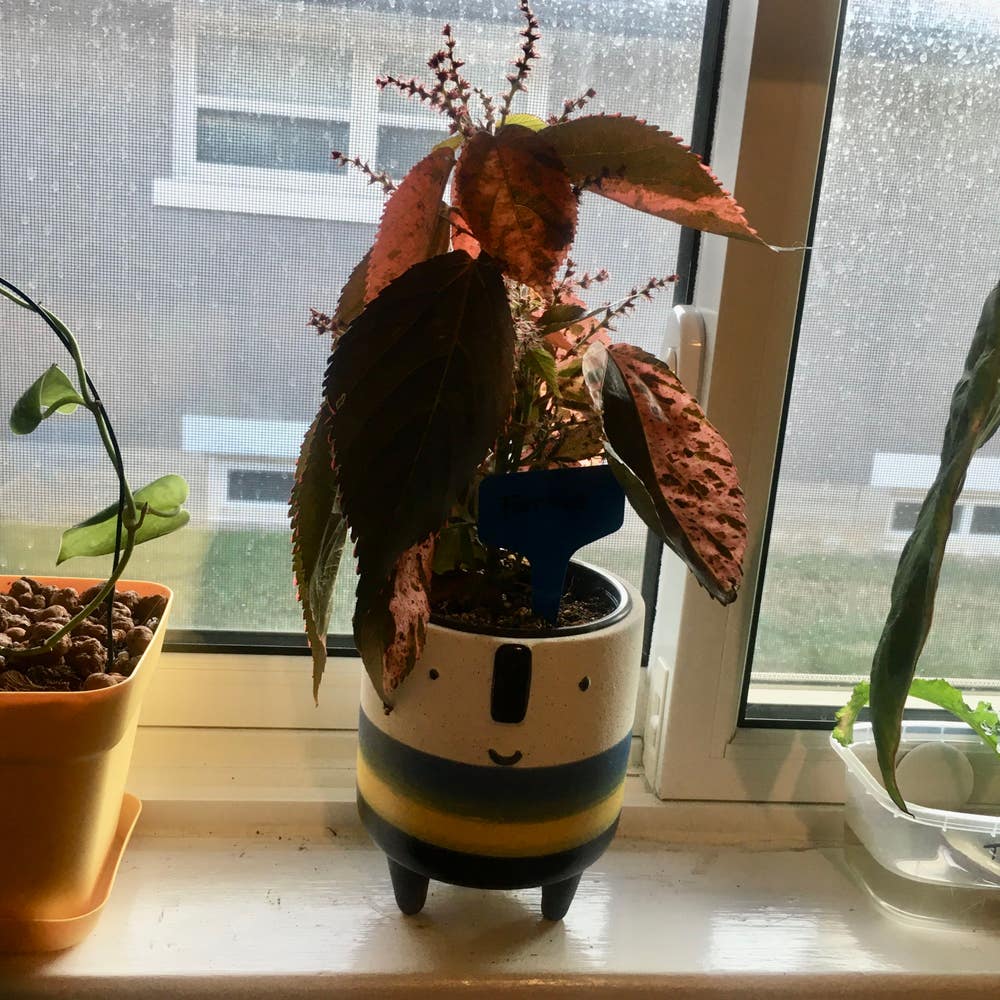
Acalypha reptans: Not an Annual
Acalypha chamaedrifolia
By the Greg Editorial Team
Jul 23, 2024•3 min read
This article was created with the help of AI so we can cover more plants for you. May contain errors. See one? Report it here.
Transform your garden into a perennial paradise with Acalypha reptans and save on replanting costs! 🌿
- 🌱 Acalypha reptans is perennial, thriving for years with proper care.
- 🌺 Year-round blooms and lush foliage showcase its robust perennial nature.
- 🔄 Misidentified as annual in cold climates, but truly a resilient perennial.
Perennial Classification
Defining Perennial Plants
🌿 Perennial plants are the hardy survivors of the garden world, returning year after year. These plants have deep-rooted staying power, with some living for decades. They may go dormant above ground during off-seasons, but below the surface, their roots are very much alive, ready to spring back when the time is right.
Acalypha Reptans Characteristics
🌱 Acalypha reptans, with its lush foliage and adaptability, is a textbook example of a perennial. Here's why:
- Survival: It can weather multiple seasons, thanks to its robust root system.
- Growth: It doesn't just survive; it thrives, regenerating each year with fresh vigor.
- Flowering: Its blooms are not a one-season wonder but a recurring delight, signaling its perennial nature.
Lifecycle and Growth
🌱 Perennial Growth Patterns
Acalypha reptans distinguishes itself with growth patterns emblematic of perennials. Unlike annuals, which sprint through their life cycle in a single season, Acalypha reptans is in it for the long haul. It's built to withstand multiple seasons, thanks to its robust structures that store energy during dormant periods.
- Thrives continuously in warm climates, avoiding the annual's race to reseed before dying.
- Develops hardy structures like woody stems, enabling it to bounce back after dormancy.
🌸 Flowering and Seed Production
The perennial nature of Acalypha reptans shapes its approach to reproduction. It's not just about the here and now but ensuring survival across years.
- Boasts a year-round display of cat-tail-like flowers, unlike annuals that typically have a single blooming season.
- Employs a less frantic seed production strategy, relying on longevity over the mass dispersal typical of annuals.
Misconceptions and Regional Variations
Mistaken Identity
Acalypha reptans, with its lush foliage and vibrant flowers, might be mistaken for an annual due to several factors:
- Its abundant flowering throughout the year can give the impression of an annual's life cycle.
- The plant's compact size and groundcover use can resemble that of typical annuals used for similar purposes.
🌍 Regional Treatment as Annual
The perception of Acalypha reptans as an annual can vary based on regional climates:
- In areas with harsh winters, Acalypha reptans may not survive the cold, leading gardeners to treat it as an annual.
- Hot and humid climates, where the plant thrives, reinforce its perennial nature, allowing it to grow year after year.
- Gardeners in temperate zones might need to employ overwintering strategies to protect the plant, which can blur the lines between annual and perennial care.
Perennial Gardening Strategies
Long-Term Garden Design
Acalypha reptans, with its lush foliage and vibrant blooms, is a perennial that can anchor your garden's aesthetic year after year. Its resilience and recurring growth make it a cost-effective choice, reducing the need for annual replanting.
- Utilize Acalypha reptans as a ground cover to suppress weeds and create a low-maintenance garden bed.
- Incorporate it into mixed borders for sustained interest, as its foliage remains attractive throughout multiple seasons.
- Plan for sequential blooming by pairing it with other perennials that flower at different times, ensuring a garden that's always in bloom.
🌿 Perennial Care for Acalypha Reptans
To maximize the perennial nature of Acalypha reptans, certain care strategies should be employed. These practices will help the plant thrive season after season.
- Water the plant when the top inch of soil dries out, keeping it consistently moist but not waterlogged to prevent root rot.
- Fertilize every 2-4 weeks during the growing season with a balanced, water-soluble fertilizer to support robust growth.
- Prune occasionally to maintain shape and remove any leggy or dead growth, which encourages new, healthy foliage.
- In regions with harsh winters, employ overwintering strategies such as mulching or moving potted specimens indoors to protect from frost.
⚠️ Safety First
This content is for general information and may contain errors, omissions, or outdated details. It is not medical, veterinary advice, or an endorsement of therapeutic claims.
Always consult a qualified healthcare professional before using any plant as food, medicine, or supplement.
Never eat any plant (or feed one to pets) without confirming its identity with at least two trusted sources.
If you suspect poisoning, call Poison Control (800) 222-1222, the Pet Poison Helpline (800) 213-6680, or your local emergency service immediately.
Spotted an error? Please report it here.
Embrace the resilience 🌱 of Acalypha reptans as a perennial and let Greg's custom care reminders keep it flourishing season after season.