5 Ideal Locations to Plant Euphorbia obesa 🌵
Euphorbia obesa
By the Greg Editorial Team
Jan 06, 2025•5 min read
This article was created with the help of AI so we can cover more plants for you. May contain errors. See one? Report it here.
Master the art of growing Euphorbia obesa 🌱 with essential tips on sunlight, soil, and perfect placement for vibrant health!
- ☀️ Euphorbia obesa thrives in 6-8 hours of full sunlight daily for optimal growth.
- 🌱 Well-draining soil with pH 6.0-7.0 is essential to prevent root rot.
- 🌬️ Wind protection and good airflow are crucial to avoid diseases and promote health.
Sunlight Exposure Requirements
Full Sun vs. Partial Shade 🌞
Euphorbia obesa flourishes in bright, direct sunlight. For optimal growth, aim for 6-8 hours of full sun each day.
Too much shade can hinder its development, leading to stunted growth and elongated stems. Additionally, shaded plants are more vulnerable to pests and diseases, which can impact their overall health.
Assessing Sunlight Patterns 🌅
When evaluating sunlight exposure, consider the difference between morning and afternoon sun. Morning sun is gentler and promotes better plant health, while afternoon sun can be intense, especially in warmer climates.
It's also crucial to monitor seasonal changes in light. As the seasons shift, the angle of sunlight changes, so keep an eye on how shadows from trees or structures might affect your Euphorbia obesa's exposure throughout the year.
By understanding these factors, you can ensure your plant receives the ideal sunlight it needs to thrive.
Soil Type Preferences
Well-Draining Soil 🌱
Euphorbia obesa thrives best in well-draining soil, which is crucial for preventing root rot and ensuring healthy growth. A recommended soil mix includes cactus mix or a combination of potting soil, sand, and perlite to achieve the right balance.
Soil pH Considerations ⚖️
Maintaining the optimal soil pH range of 6.0 to 7.0 is essential for Euphorbia obesa. To check your soil's pH, use a soil pH meter or test kit for accurate readings.
If adjustments are needed, you can easily modify the pH. Adding lime will raise the pH, while sulfur can lower it, helping you create the perfect environment for your plant.
Summary 📋
By focusing on well-draining soil and the right pH levels, you set Euphorbia obesa up for success. These simple steps ensure your plant remains healthy and vibrant, ready to thrive in its chosen location.
Next, let's explore how to assess the best spot for your Euphorbia obesa, considering sunlight patterns and microclimates.
Proximity to Other Plants
🌱 Companion Planting
Euphorbia obesa thrives alongside other drought-tolerant plants, particularly succulents and cacti. This combination not only enhances the visual appeal of your garden but also fosters a healthy growing environment.
🌼 Benefits of Companion Planting
Companion planting can lead to improved growth and resilience. By grouping Euphorbia obesa with compatible plants, you create a vibrant ecosystem that supports each plant's health.
🚫 Avoiding Overcrowding
To ensure optimal growth, maintain a spacing of at least 12-18 inches between Euphorbia obesa and neighboring plants. This distance allows each plant to access necessary resources without competing for space.
🌬️ Importance of Airflow
Good airflow is crucial for preventing fungal diseases. By avoiding overcrowding, you promote healthy growth and reduce the risk of pests and diseases that can thrive in cramped conditions.
In summary, thoughtful plant placement can significantly enhance the health and beauty of your Euphorbia obesa. Next, let’s explore how to assess the best spot for your plant to thrive.
Assessing the Best Spot
Evaluating Sunlight Patterns 🌞
To ensure your Euphorbia obesa thrives, start by observing your garden throughout the day. Identify areas that consistently receive sunlight, as this plant loves bright conditions.
Consider how seasonal changes affect light exposure. Trees and structures can cast shadows, so it's crucial to monitor these shifts to maintain optimal sunlight for your plant year-round.
Understanding Microclimates 🌤️
Next, identify warm and cool areas in your garden. Generally, south-facing spots are warmer and ideal for Euphorbia obesa, providing the heat it craves.
Be mindful of nearby structures, too. Walls and fences can create microclimates that influence both temperature and light, impacting your plant's growth and health.
With these insights, you can confidently choose the best spot for your Euphorbia obesa, setting it up for success. Now, let’s explore how wind protection and drainage play a crucial role in your plant's environment.
Wind Protection and Drainage
🌬️ Importance of Windbreaks
Euphorbia obesa thrives best when shielded from strong winds. You can use natural elements like shrubs or artificial structures such as fences to create effective windbreaks.
Position these barriers strategically to the north or west of your plant. This placement helps protect Euphorbia obesa from prevailing winds, ensuring it remains healthy and robust.
🚰 Ensuring Proper Drainage
Proper drainage is crucial for the health of Euphorbia obesa. Start by assessing the drainage in your chosen location with a simple test: dig a hole, fill it with water, and observe how quickly it drains.
If you find that the water lingers, it's time to modify the soil. Incorporating sand or gravel can significantly improve drainage in heavy soils, creating a more suitable environment for your plant to flourish.
With the right wind protection and drainage in place, your Euphorbia obesa will be well on its way to thriving in its new home. Next, let’s explore the differences between indoor and outdoor planting options to find the best fit for your Euphorbia obesa.
Indoor vs. Outdoor Planting
Indoor Location Selection 🌞
When it comes to indoor planting, choosing the right window is crucial for your Euphorbia obesa. South or west-facing windows are ideal, as they provide the bright sunlight this plant craves.
Additionally, be mindful of drafts and humidity. Keep your Euphorbia obesa away from air conditioning vents and any damp areas to ensure it thrives.
Outdoor Location Selection 🌿
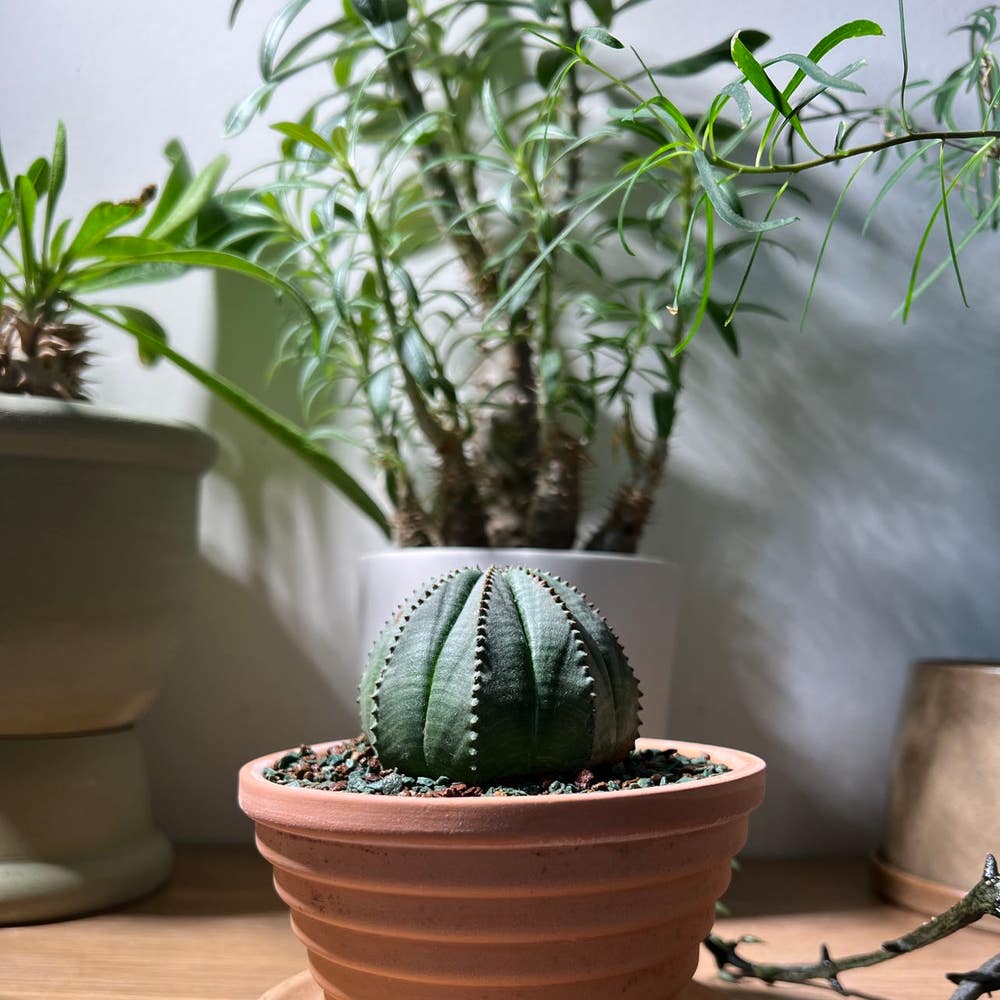
For outdoor planting, you have two main options: garden beds or containers. Containers are particularly beneficial because they allow for better control over soil conditions and drainage.
Consider landscape design as well. Integrating Euphorbia obesa into rock gardens or succulent arrangements not only enhances visual appeal but also creates a stunning focal point in your outdoor space.
With the right placement, your Euphorbia obesa can flourish beautifully, whether indoors or outdoors. Next, let’s explore how to assess the best spot for planting.
⚠️ Safety First
This content is for general information and may contain errors, omissions, or outdated details. It is not medical, veterinary advice, or an endorsement of therapeutic claims.
Always consult a qualified healthcare professional before using any plant as food, medicine, or supplement.
Never eat any plant (or feed one to pets) without confirming its identity with at least two trusted sources.
If you suspect poisoning, call Poison Control (800) 222-1222, the Pet Poison Helpline (800) 213-6680, or your local emergency service immediately.
Spotted an error? Please report it here.
Create the perfect home for your Euphorbia obesa 🌞 with Greg's tailored care reminders and soil testing tools to ensure it thrives in its ideal environment!