Best Size and Type of Pot for Euphorbia obesa 🪴
Euphorbia obesa
By the Greg Editorial Team
Jan 06, 2025•6 min read
This article was created with the help of AI so we can cover more plants for you. May contain errors. See one? Report it here.
Unlock your Euphorbia obesa's full potential 🌱 by mastering the art of pot size and material selection for thriving growth!
- 🌱 Use 2-4 inch pots for seedlings; they support initial root establishment effectively.
- 🪴 Mature Euphorbia obesa thrives in 8-12 inch pots for optimal growth potential.
- 💧 Choose clay for air circulation or plastic for moisture retention based on needs.
Ideal Pot Sizes for Different Growth Stages
Seedling Stage 🌱
For seedlings, a pot size of 2-4 inches in diameter is ideal. This size allows for initial root establishment without overwhelming the young plant with excess soil.
Juvenile Stage 🌿
As your Euphorbia obesa transitions to the juvenile stage, increase the pot size to 4-6 inches in diameter. This provides the necessary space for root expansion, supporting healthy growth.
Mature Stage 🌳
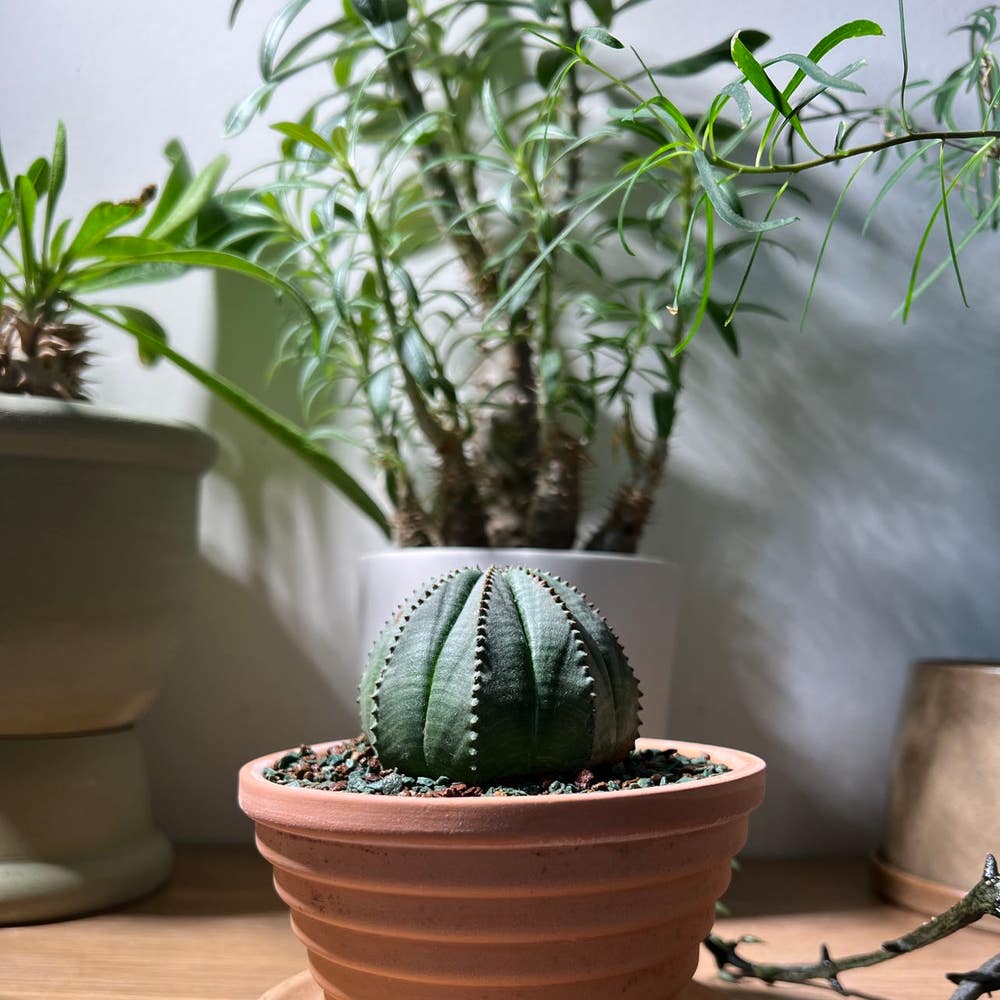
In the mature stage, your plant will thrive in a pot that measures 8-12 inches in diameter. This size accommodates the full growth potential of Euphorbia obesa, which can reach up to 12 inches across.
How Pot Size Affects Growth and Health 📏
The size of the pot significantly influences root development. Larger pots allow for better root spread, promoting healthier growth overall.
Additionally, pot size affects soil moisture retention. Smaller pots tend to dry out quickly, which can stress the plant if not monitored closely.
On the flip side, using a pot that is too large can lead to overwatering risks. Excess moisture retention increases the likelihood of root rot, a common issue for succulents.
Understanding these dynamics is crucial for nurturing your Euphorbia obesa through its various growth stages. Proper pot size not only supports healthy development but also enhances the overall vitality of your plant.
Next, let’s explore the different pot materials that can further influence your plant's growth.
Pot Materials
🏺 Comparison of Clay vs. Plastic Pots
When choosing the right pot for your Euphorbia obesa, consider the material. Clay pots are known for their porous nature, which allows for better air circulation and moisture evaporation. This feature is crucial for preventing overwatering, a common issue with succulents.
On the other hand, plastic pots are lightweight and easier to handle, making them a popular choice for many gardeners. However, they retain moisture longer, which means you’ll need to be more vigilant about your watering practices to avoid waterlogged soil.
🌱 Benefits of Using Clay Pots
Clay pots offer enhanced drainage capabilities thanks to their porous structure. This allows excess moisture to escape, significantly reducing the risk of overwatering, which can lead to root rot.
Additionally, their weight provides stability for larger plants, ensuring they remain upright even in windy conditions. This stability is particularly beneficial for Euphorbia obesa as it matures.
🪴 Advantages of Plastic Pots
Plastic pots are not only cost-effective but also come in a variety of sizes, making them accessible for any gardener. Their lightweight nature makes them easy to move and reposition, which is great for those who like to change their plant arrangements frequently.
While they may require more careful watering due to their moisture-retaining properties, they can be an excellent choice for beginners or those looking for convenience.
In summary, both clay and plastic pots have their unique benefits. Choosing the right one depends on your specific needs and the growing conditions for your Euphorbia obesa.
As you consider pot materials, remember that the right choice can significantly impact your plant's health and growth. Next, let’s dive into the essential topic of drainage considerations to ensure your plant thrives.
Drainage Considerations
🌧️ Importance of Drainage Holes
Drainage holes are crucial for preventing water from accumulating at the bottom of the pot. This simple feature significantly reduces the risk of root rot, a common issue that can plague succulents like Euphorbia obesa.
🚰 How to Ensure Proper Drainage in Pots
To ensure proper drainage, start by choosing pots with multiple drainage holes. Pair this with a well-draining soil mix specifically designed for succulents to promote healthy growth.
Consider adding a layer of gravel or perlite at the bottom of the pot for extra drainage. This can help further prevent water from sitting around the roots, which is essential for maintaining plant health.
⚠️ Signs of Poor Drainage and Its Effects
Watch for yellowing leaves, which can indicate potential root rot. If your plant is wilting despite adequate watering, it may be suffering from waterlogged conditions.
A foul odor emanating from the soil is another red flag, signaling decaying roots. Addressing drainage issues promptly can save your Euphorbia obesa from serious health problems.
Understanding these drainage considerations will set you on the right path to nurturing your plant. Next, let’s explore the best practices for repotting your Euphorbia obesa to ensure it thrives in its new environment.
Repotting Guidelines
When to Repot 🌱
Repotting is essential for maintaining the health of your Euphorbia obesa. Look for signs such as roots growing out of the drainage holes, stunted growth despite proper care, or soil degradation and compaction.
How to Choose the Right Pot When Repotting 🪴
Selecting the right pot is crucial for your plant's continued growth. Opt for a pot that is 1-2 inches larger in diameter than the current one, ensuring it has adequate drainage holes.
Consider the pot material based on your plant's moisture needs and your environment. Clay pots are great for moisture control, while plastic pots are lightweight and easy to handle.
Step-by-Step Guide to Repotting 📝
Repotting can seem daunting, but following these steps makes it manageable:
- Prepare the new pot with fresh, well-draining soil.
- Gently remove the plant from its current pot, taking care not to damage the roots.
- Inspect the roots for any signs of rot and trim if necessary.
- Place the plant in the center of the new pot, filling in with soil around the edges.
- Water lightly to settle the soil, ensuring not to overwater.
By following these guidelines, you’ll help ensure your Euphorbia obesa thrives in its new home. Next, let’s explore how the choice of pot can impact your plant's growth and health.
Impact of Pot Choice on Growth
How Pot Choice Influences Soil Moisture Retention 🌧️
When it comes to Euphorbia obesa, the type of pot you choose can significantly affect soil moisture retention. Clay pots are fantastic for quick evaporation, which helps prevent overwatering—a common pitfall for succulent enthusiasts.
On the other hand, plastic pots are lightweight and retain moisture longer. This characteristic can be beneficial, but it also means you may need to adjust your watering routine to avoid waterlogged soil.
Effects of Pot Size on Root Development 🌱
The size of the pot plays a crucial role in root development. Adequate space allows roots to spread out, which is essential for healthy nutrient uptake and overall plant vigor.
Conversely, limited space can stunt growth and lead to various health issues. If your Euphorbia obesa feels cramped, it’s time to consider a larger pot to promote its thriving potential.
Long-Term Health Implications of Pot Selection 🏺
Choosing the right pot can prevent common problems like root rot and nutrient deficiencies. A well-selected pot not only supports immediate growth but also contributes to the long-term health of your Euphorbia obesa.
Investing time in understanding pot choices can lead to a more vibrant and resilient plant. Your Euphorbia will thank you with its lush growth and vitality!
⚠️ Safety First
This content is for general information and may contain errors, omissions, or outdated details. It is not medical, veterinary advice, or an endorsement of therapeutic claims.
Always consult a qualified healthcare professional before using any plant as food, medicine, or supplement.
Never eat any plant (or feed one to pets) without confirming its identity with at least two trusted sources.
If you suspect poisoning, call Poison Control (800) 222-1222, the Pet Poison Helpline (800) 213-6680, or your local emergency service immediately.
Spotted an error? Please report it here.
Select the ideal pot for your Euphorbia obesa to foster thriving roots 🌿, and let Greg guide you with tailored care tips that ensure your plant flourishes in its perfect environment!