☀️ Ultimate Guide to Light Requirements for Euphorbia obesa
Euphorbia obesa
By the Greg Editorial Team
Jan 06, 2025•4 min read
This article was created with the help of AI so we can cover more plants for you. May contain errors. See one? Report it here.
Master optimal light conditions 🌞 to unlock vibrant blooms and thriving health for your Euphorbia obesa!
- 🌞 Euphorbia obesa needs 6 hours of bright indirect light daily for optimal growth.
- 🪟 Position near south or west-facing windows to maximize indoor light exposure.
- 💡 Use LED grow lights for energy-efficient, consistent light if natural light is insufficient.
Optimal Light Conditions
🌟 Indoor Light Guidance
Bright Indirect Light
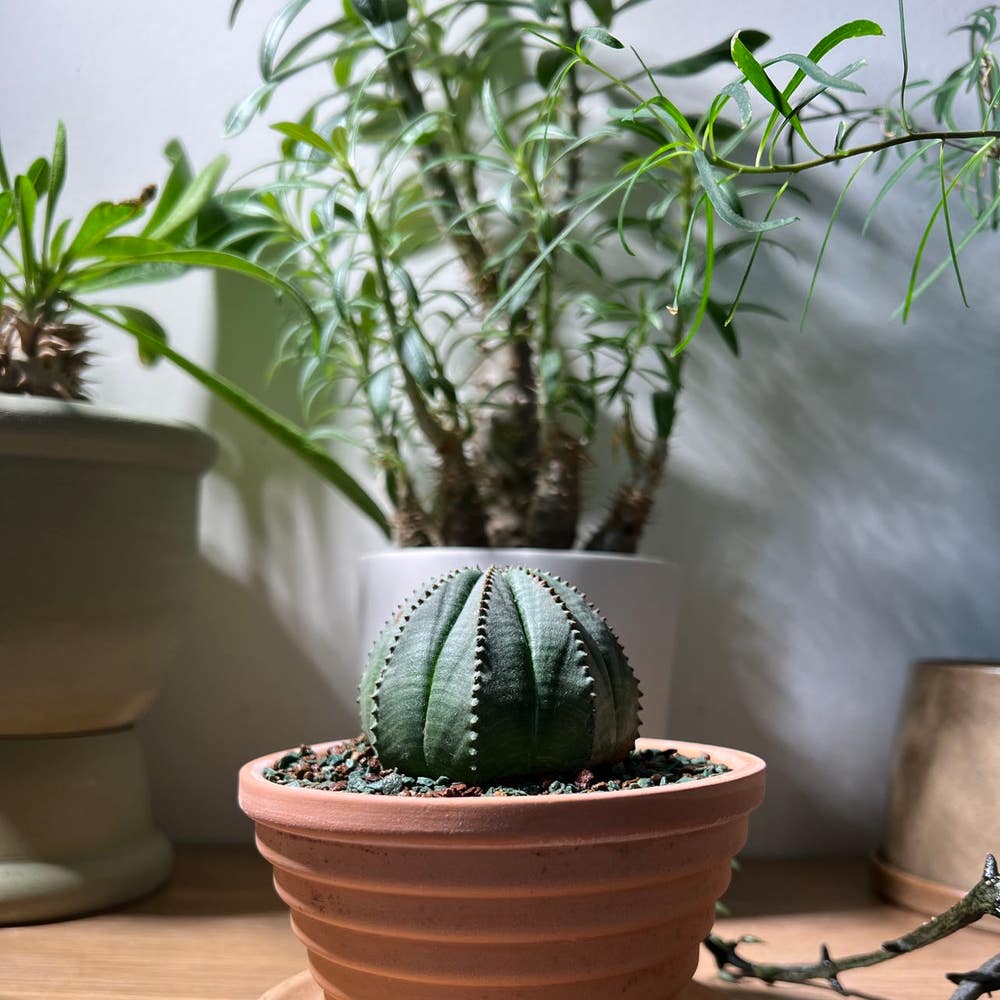
Euphorbia obesa thrives best with 6 hours of bright indirect light each day. Position your plant near south or west-facing windows to maximize its exposure.
Full Sun Tolerance
This succulent can handle short bursts of direct sunlight, particularly during the cooler months. However, keep an eye out for any signs of stress or sunburn, as these can indicate too much exposure.
🌞 Outdoor Light Guidance
Best Locations
For outdoor settings, place Euphorbia obesa in partial shade or filtered sunlight to avoid overexposure. Ideal spots include areas beneath taller plants or structures that provide dappled light.
Seasonal Adjustments
As the seasons change, adjust your plant's placement according to the sun's angle. Regularly monitor the light intensity throughout the year to ensure your Euphorbia is getting the right amount of light.
With the right light conditions, your Euphorbia obesa will flourish, setting the stage for healthy growth and vibrant blooms. Next, let's explore how to measure light intensity and the importance of consistent light exposure.
Light Intensity and Duration
Measuring Light Intensity 🌞
To ensure your Euphorbia obesa thrives, aim for a light intensity of 2000-3000 foot-candles. This range is crucial for optimal growth, so consider investing in a light meter to accurately assess your plant's environment.
Duration of Light Exposure ⏳
Your plant needs a minimum of 6 hours of light exposure daily. Consistent light duration is vital for maintaining healthy growth patterns, so make sure to monitor and adjust as needed throughout the year.
With the right light intensity and duration, your Euphorbia obesa will flourish, setting the stage for vibrant growth and potential flowering. Next, let’s explore the effects of insufficient light and how to recognize the signs.
Effects of Insufficient Light
Signs of Low Light Conditions 🌑
When Euphorbia obesa doesn't get enough light, it shows clear signs of distress. One major indicator is etiolation, where the stems elongate and leaves become sparse, making the plant look leggy and unhealthy.
Another sign is color changes; the vibrant hues of the plant may fade or even disappear. This dullness is a cry for help, signaling that your plant is struggling to thrive.
Long-term Consequences ⚠️
If low light conditions persist, the consequences can be severe. You may notice stunted growth, where the plant fails to reach its full potential, and it may also produce fewer flowers.
Additionally, insufficient light can lead to increased vulnerability to pests and diseases. A weakened plant is an easy target for infestations, making it crucial to address light issues promptly.
Ensuring your Euphorbia obesa receives adequate light is essential for its health and vitality. Next, let’s explore the recommended grow lights that can help you provide the right conditions for your plant.
Recommended Grow Lights
🌟 Types of Grow Lights
When it comes to providing the right light for your Euphorbia obesa, choosing the right grow lights is crucial.
LED grow lights are a top choice due to their energy efficiency and adjustable spectrum. They can mimic natural sunlight and are perfect for promoting healthy growth.
Fluorescent lights are another option, especially suitable for plants with low to moderate light needs. They are cost-effective and can be used effectively in smaller spaces.
📍 Placement and Duration
Proper placement of your grow lights can make all the difference.
Keep the lights 12-24 inches away from your Euphorbia obesa, depending on the type of light you choose. This distance helps prevent any potential light burn while ensuring your plant receives adequate illumination.
For optimal growth, aim for a duration of 12-14 hours of light daily. Consistency in light exposure is key to keeping your plant thriving and vibrant.
With the right grow lights and careful attention to placement and duration, your Euphorbia obesa can flourish indoors, bringing a touch of the desert to your home.
As we explore the next section, let's dive into how light influences the flowering potential of this unique plant.
Flowering and Light
🌸 Flowering Potential
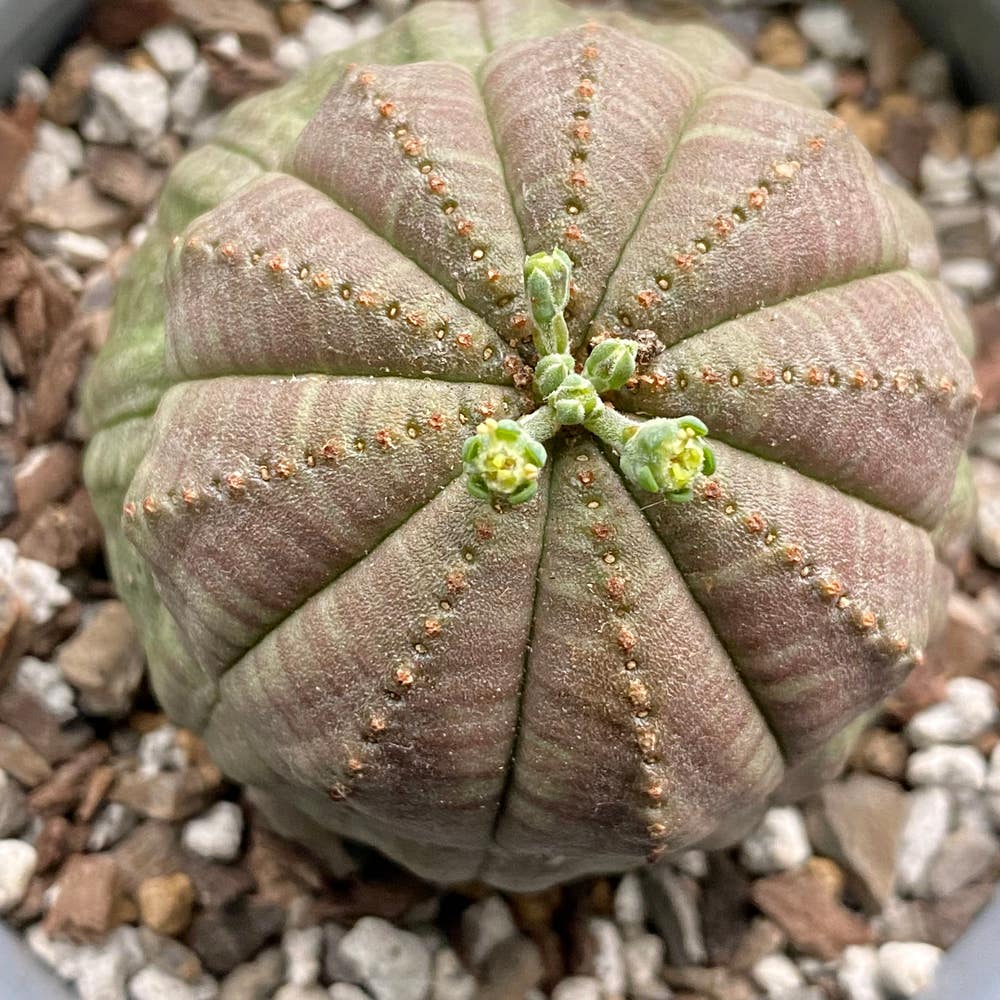
Euphorbia obesa has the potential to flower when provided with the right conditions. With optimal light exposure, you might just witness this unique plant bloom.
💡 Role of Light in Flowering
Consistent light exposure is crucial for initiating flowering in Euphorbia obesa. The right light conditions not only promote health but also encourage those beautiful blooms to emerge.
☀️ Specific Light Conditions
To maximize flowering, aim for bright indirect light for at least 6 hours daily. This balance of light ensures the plant remains vibrant and ready to flower.
In summary, providing Euphorbia obesa with the right light conditions is essential for its flowering potential. Next, let’s explore how light intensity and duration impact its overall growth.
⚠️ Safety First
This content is for general information and may contain errors, omissions, or outdated details. It is not medical, veterinary advice, or an endorsement of therapeutic claims.
Always consult a qualified healthcare professional before using any plant as food, medicine, or supplement.
Never eat any plant (or feed one to pets) without confirming its identity with at least two trusted sources.
If you suspect poisoning, call Poison Control (800) 222-1222, the Pet Poison Helpline (800) 213-6680, or your local emergency service immediately.
Spotted an error? Please report it here.
Maximize your Euphorbia obesa's growth with 6 hours of bright indirect light daily, and let Greg guide you with tailored light tips and reminders for a thriving plant! 🌱