🌵 Euphorbia obesa Is a Garden Plant, Not a Weed
Euphorbia obesa
By the Greg Editorial Team
Jan 06, 2025•5 min read
This article was created with the help of AI so we can cover more plants for you. May contain errors. See one? Report it here.
Transform your garden with Euphorbia obesa, a stunning plant that supports local ecosystems without overwhelming them! 🌼
- 🌱 Euphorbia obesa is non-invasive, making it a safe and sustainable garden choice.
- 💧 Drought-tolerant and low-maintenance, it thrives in arid conditions with minimal watering.
- 🐝 Attracts beneficial pollinators, enhancing biodiversity without overshadowing neighboring plants.
Plant Classification
Definition of Invasive Species 🌱
Invasive species are non-native plants that spread aggressively, often outcompeting local flora and disrupting ecosystems. They typically exhibit rapid growth, high reproductive rates, and a remarkable adaptability to various environments.
Explanation of Why Euphorbia obesa is Non-Invasive 🌼
Euphorbia obesa stands out as a non-invasive plant due to its slow growth rate, reaching only 15-20 cm in height and 10-15 cm in diameter. This limited growth potential means it does not spread aggressively or dominate its surroundings.
Additionally, Euphorbia obesa coexists harmoniously with other species, enhancing garden biodiversity without overshadowing its neighbors. Its gentle nature makes it a welcome addition to any garden, promoting a balanced ecosystem rather than disrupting it.
With these characteristics, Euphorbia obesa is a prime example of a plant that enriches rather than harms its environment. This sets the stage for exploring its growth habits and ecological role in the next sections.
Growth Habits
Typical Growth Patterns in Gardens 🌱
Euphorbia obesa is a slow-growing plant, making it an excellent low-maintenance choice for gardeners. It thrives in well-draining soil and requires minimal watering, perfectly aligning with its drought-tolerant nature.
Natural Limits to Growth and Spread Potential 🌵
This plant naturally flourishes in arid conditions, needing very little water to survive. Its growth is inherently limited by its size and slow growth rate, which prevents it from overwhelming other plants in your garden.
Euphorbia obesa’s unique characteristics not only make it a visually appealing addition but also ensure it coexists harmoniously with surrounding flora. As you consider incorporating this plant into your garden, remember its gentle nature and compatibility with various garden designs.
Next, let’s explore the ecological role of Euphorbia obesa and how it benefits local ecosystems.
Ecological Role
🌱 Benefits in Ecosystems
Euphorbia obesa plays a vital role in enhancing biodiversity. It provides essential habitat and food sources for various pollinators, which are crucial for the health of any garden ecosystem.
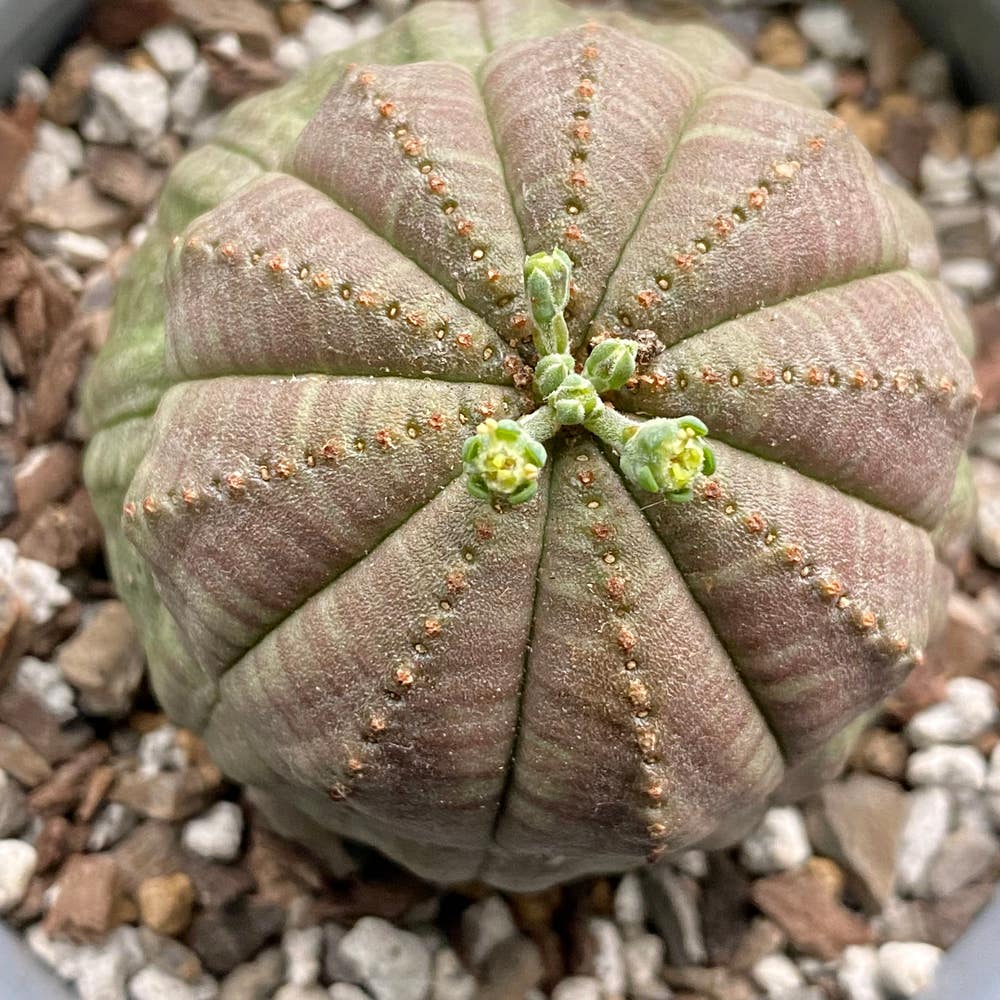
Its inconspicuous flowers are a subtle yet effective way to attract beneficial insects. These flowers do not overwhelm other plants, allowing for a harmonious coexistence in the garden.
🦋 Positive Interactions with Local Wildlife
This plant supports local pollinators, such as bees and butterflies, which boosts the overall health of garden ecosystems. By coexisting peacefully with neighboring plants, Euphorbia obesa promotes a balanced environment that benefits all species involved.
Incorporating this unique succulent into your garden not only enhances its beauty but also contributes positively to the local wildlife. This makes Euphorbia obesa a fantastic choice for environmentally conscious gardeners looking to support their local ecosystem.
As we explore how to manage this plant in our gardens, we’ll see how to maintain its beauty while ensuring it complements its surroundings.
Garden Management
Methods for Incorporating into Garden Designs 🌵
Euphorbia obesa is a fantastic choice for xeriscaping and drought-tolerant gardens. Its minimal water requirements make it a resilient option that thrives in arid conditions.
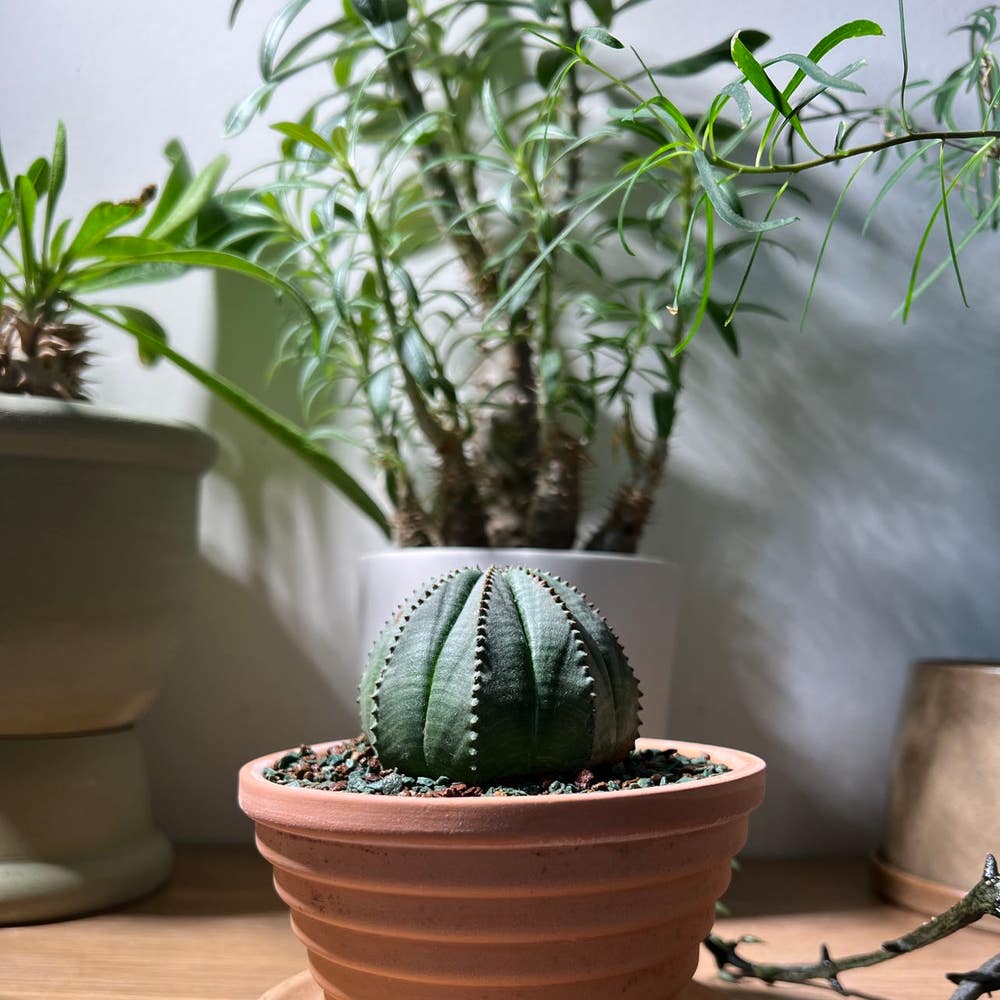
This plant can serve as a striking focal point in rock gardens or be seamlessly integrated into succulent arrangements. Its unique spherical shape adds visual interest, making it a standout in any garden design.
Considerations for Controlling Growth for Aesthetics ✂️
While Euphorbia obesa is low-maintenance, regular monitoring is essential to ensure it doesn’t overshadow neighboring plants. Keeping an eye on its growth helps maintain a balanced garden aesthetic.
Pruning may be necessary to shape the plant and enhance its appearance without causing harm. This simple practice allows you to enjoy its beauty while keeping your garden looking its best.
Incorporating Euphorbia obesa into your garden not only enhances its visual appeal but also promotes a sustainable environment. As you plan your garden, consider how this unique plant can contribute to a thriving ecosystem.
Comparison to Other Plants
Comparison with Similar Non-Invasive Plants 🌱
Euphorbia obesa stands out among drought-tolerant succulents like Echeveria and Sedum. While Echeveria often showcases rosette shapes and vibrant colors, Euphorbia obesa boasts a unique spherical form that captures attention without overwhelming the garden.
Sedum, known for its sprawling growth, can quickly cover ground, unlike the more restrained Euphorbia obesa. This slow growth rate allows Euphorbia obesa to coexist harmoniously with its neighbors, making it an ideal choice for gardeners seeking balance.
Unique Qualities 🌟
One of the most striking features of Euphorbia obesa is its distinct spherical shape. This characteristic, combined with its slow growth, makes it a conversation starter in any garden setting.
Additionally, Euphorbia obesa thrives in arid conditions, showcasing resilience that many other succulents may lack. Its adaptability not only enhances garden diversity but also promotes sustainable practices by reducing water usage.
Incorporating Euphorbia obesa into your garden design can lead to a visually appealing and environmentally friendly landscape. As we explore garden management strategies next, consider how this unique plant can fit into your overall gardening vision.
Legal and Environmental Considerations
Relevant Classifications and Guidelines 🌱
When considering the cultivation of Euphorbia obesa, it's essential to be aware of local regulations. Many regions classify this plant as non-invasive, allowing gardeners to include it in their landscapes without concern for ecological disruption.
Various gardening guidelines also endorse Euphorbia obesa for its non-invasive nature. This classification helps gardeners make informed choices, ensuring they contribute positively to their local ecosystems.
Role in Sustainable Gardening Practices ♻️
Incorporating non-invasive plants like Euphorbia obesa is crucial for sustainable gardening. These plants not only thrive with minimal water but also support local wildlife, enhancing biodiversity.
By choosing Euphorbia obesa, gardeners promote environmentally friendly practices. Its compatibility with local ecosystems makes it an excellent choice for those looking to create a thriving, sustainable garden.
Transitioning to sustainable gardening practices can lead to healthier ecosystems and a more enjoyable gardening experience.
⚠️ Safety First
This content is for general information and may contain errors, omissions, or outdated details. It is not medical, veterinary advice, or an endorsement of therapeutic claims.
Always consult a qualified healthcare professional before using any plant as food, medicine, or supplement.
Never eat any plant (or feed one to pets) without confirming its identity with at least two trusted sources.
If you suspect poisoning, call Poison Control (800) 222-1222, the Pet Poison Helpline (800) 213-6680, or your local emergency service immediately.
Spotted an error? Please report it here.
Elevate your garden's biodiversity with Euphorbia obesa 🌱, and let Greg guide you with personalized care tips to keep this stunning, low-water plant thriving effortlessly!