Attracting Pollinators to Your Euphorbia obesa 🐝
Euphorbia obesa
By the Greg Editorial Team
Jan 06, 2025•6 min read
This article was created with the help of AI so we can cover more plants for you. May contain errors. See one? Report it here.
Master Euphorbia obesa's pollination secrets 🌼 to elevate your gardening game and ensure vibrant growth!
- 🌼 Euphorbia obesa can self-pollinate, ensuring reproduction even without pollinators.
- 🐝 Bees and butterflies are key pollinators, enhancing genetic diversity and plant health.
- 🌿 Create a pollinator-friendly garden with native flowers and companion plants for better attraction.
Self-Pollination vs. Cross-Pollination
Self-Pollination 🌱
Euphorbia obesa is a fascinating plant because it features both male and female flowers on the same specimen. This unique trait allows for self-pollination, which ensures that the plant can reproduce even when pollinators are absent.
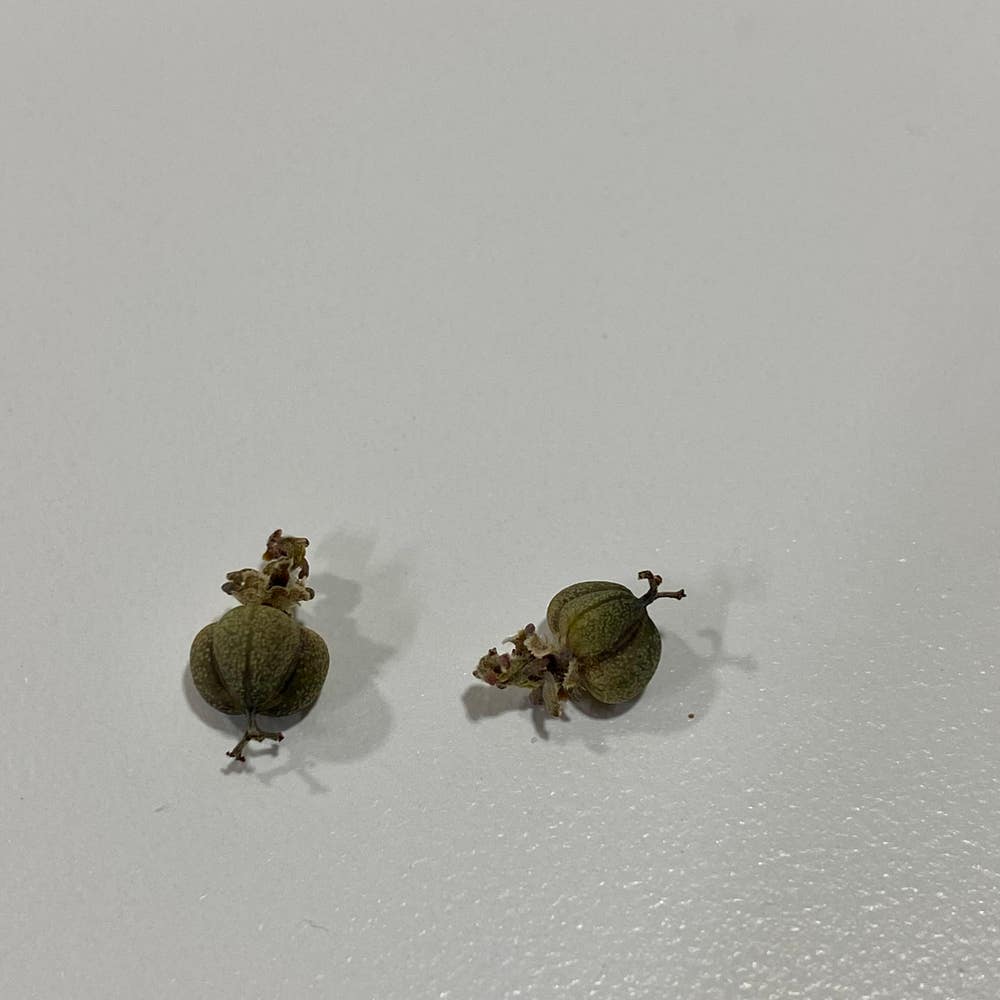
The benefits of self-pollination are significant. It guarantees seed production, which can be crucial for the plant's survival. Additionally, this method can lead to quicker seed production, allowing for a more rapid increase in population.
Cross-Pollination 🌼
While self-pollination is effective, cross-pollination offers its own advantages. This process enhances genetic diversity, which is vital for the overall health of the plant population.
Understanding cross-pollination is essential for optimal fruit and seed production. By encouraging this method, you can help ensure that your Euphorbia obesa thrives and adapts to changing environmental conditions.
Flower Structure
🌼 Description of Flower Parts
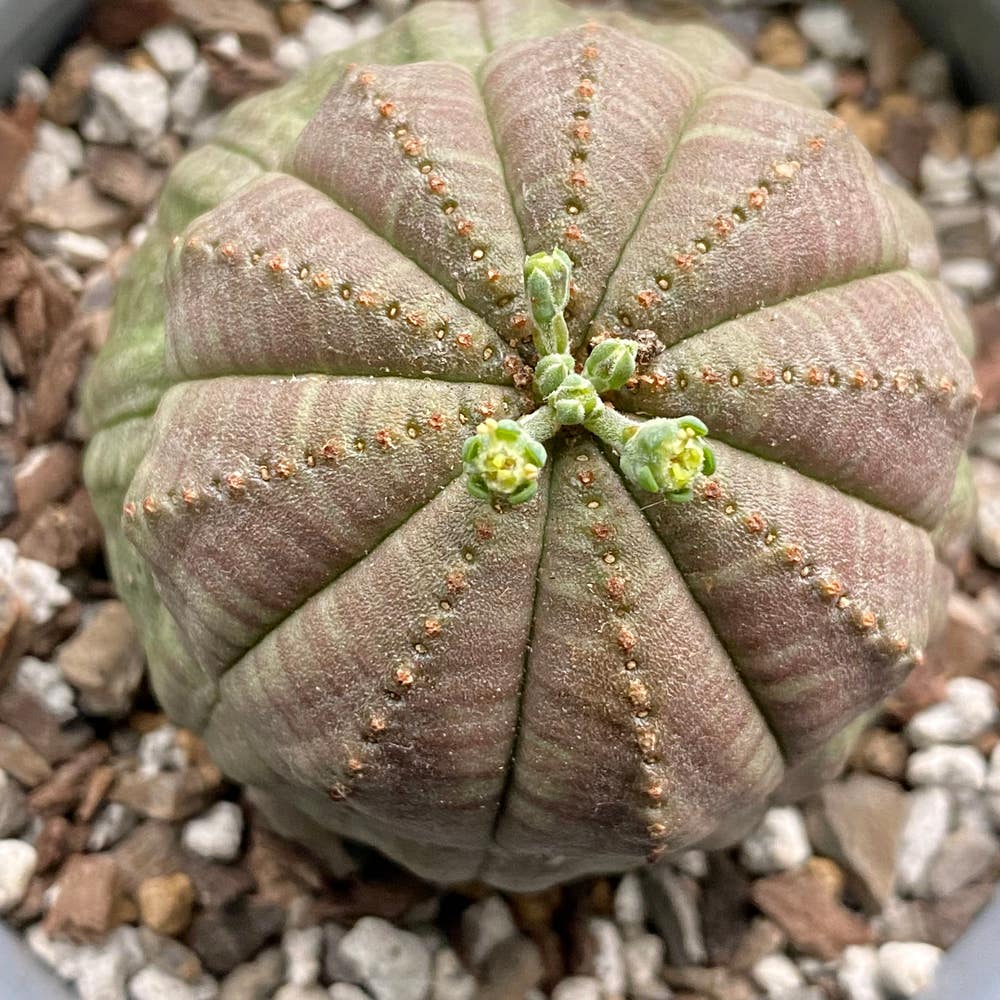
Euphorbia obesa features small, yellow-green petals that are often overlooked. The sepals are minimal and can be difficult to distinguish, blending seamlessly into the plant's overall appearance.
The male reproductive parts, known as stamens, produce the essential pollen. Meanwhile, the pistils serve as the female reproductive components, ready to receive pollen for fertilization.
🐝 How Flower Structure Facilitates Pollination
The unique arrangement of these flower parts plays a crucial role in attracting pollinators, despite their diminutive size. However, the inconspicuous nature of Euphorbia obesa flowers means they may depend on specific conditions or particular pollinators for effective pollen transfer.
Understanding this structure is vital for anyone looking to enhance pollination success. By recognizing how these flowers operate, you can create an environment that encourages pollinator visits, ultimately leading to healthier plants and more abundant seeds.
As we delve deeper into the mechanisms of natural pollination, you'll discover how these flowers interact with their environment and the creatures that visit them.
Natural Pollination
🌬️ Mechanisms of Pollen Transfer
Pollination in Euphorbia obesa primarily occurs through the transfer of pollen from the stamens of one flower to the pistils of another. This process can happen via wind or through the actions of various pollinators.
Environmental factors play a crucial role in successful pollen transfer. Temperature and humidity can significantly influence how effectively pollen moves from one flower to another, impacting overall pollination success.
🐝 Primary Pollinators and Their Interactions
Bees are among the most important pollinators for Euphorbia obesa. Their attraction to the plant's subtle color often leads them to inadvertently transfer pollen while foraging for nectar.
Butterflies also contribute to the pollination process. Their feeding habits can facilitate pollen transfer as they flit from flower to flower, seeking sustenance.
Other pollinator species, such as moths and hummingbirds, may also play a role in this delicate ecosystem. Each of these creatures helps ensure that Euphorbia obesa can reproduce effectively, highlighting the interconnectedness of plant and pollinator health.
As we explore the fascinating world of pollination, it's essential to recognize the vital contributions of these pollinators. Understanding their interactions with Euphorbia obesa not only enhances our appreciation for nature but also informs our efforts to support these essential species.
Next, we'll delve into the art of hand pollination, a technique that can further ensure the success of your Euphorbia obesa plants.
Hand Pollination
Step-by-Step Instructions for Hand Pollination 🌼
Hand pollination can be a rewarding process for Euphorbia obesa enthusiasts. Follow these steps for successful pollination.
Identify Male and Female Flower Parts:
Male flowers feature visible stamens, while female flowers have a central pistil. Recognizing these parts is crucial for effective hand pollination.Collecting Pollen:
Gently tap or brush the male flower to gather pollen on a small brush or cotton swab. This step is essential for ensuring you have enough pollen for transfer.Transferring Pollen:
Carefully apply the collected pollen to the stigma of the female flower. This direct contact is what facilitates fertilization.Timing:
The best time to perform hand pollination is during the flowering season, typically late spring to early summer. This timing maximizes your chances of success.
Identifying Male and Female Flower Parts 🌸
Understanding the visual characteristics of male and female flowers is key. Male flowers are more prominent due to their stamens, while female flowers are identifiable by their central pistils.
Recognizing these differences not only aids in hand pollination but also enhances your overall gardening experience. Knowing your plants fosters a deeper connection and appreciation for their growth and reproduction.
Hand pollination can be an engaging way to ensure your Euphorbia obesa thrives. By mastering this technique, you contribute to the plant's reproductive success and enjoy the satisfaction of nurturing your garden.
Next, let's explore how to support pollinators in your environment to further enhance your Euphorbia obesa's growth and health.
Supporting Pollinators
🌼 Creating a Pollinator-Friendly Environment
To attract pollinators to your Euphorbia obesa, start by planting native flowers that bloom concurrently with your plant. This ensures that pollinators have a reliable food source when they visit.
Additionally, providing water sources and shelter can significantly enhance your garden's appeal. Simple features like shallow dishes filled with water or small rock piles can create inviting habitats for bees and butterflies.
🌸 Companion Plants to Attract Pollinators
Companion planting is a fantastic strategy to boost pollinator activity. Consider adding plants like lavender, marigolds, or coneflowers, which are known to attract beneficial pollinators.
These flowering plants not only thrive in similar conditions as Euphorbia obesa but also create a vibrant ecosystem that encourages bees and butterflies to visit. By enhancing your garden with these companions, you’ll foster a lively environment that supports both your Euphorbia and its pollinators.
As you cultivate this pollinator-friendly space, you’ll witness the delightful interactions between plants and pollinators, enriching your gardening experience.
Pollination Challenges
🌼 Common Obstacles to Successful Pollination
Pollination for Euphorbia obesa can be tricky due to several environmental factors. Extreme temperatures and low humidity can deter pollinators, while inadequate flower visibility makes it hard for them to locate these small blooms.
Additionally, the flowers' diminutive size can hinder effective pollen transfer. This means that even when pollinators are present, they might overlook the flowers entirely.
🛠️ Solutions for Overcoming Pollination Challenges
To enhance pollination success, consider increasing the density of your Euphorbia obesa plants. A more concentrated planting can attract more pollinators, improving the chances of pollen transfer.
Introducing companion plants is another effective strategy. Choose flowering species that thrive in similar conditions and bloom concurrently to create a vibrant, inviting environment for bees and butterflies.
Maintaining optimal growing conditions is crucial as well. Ensure your plants receive adequate water and protection from extreme weather to support pollinator activity. By creating a welcoming habitat, you can significantly boost the chances of successful pollination for your Euphorbia obesa.
With these strategies in place, you can foster a thriving ecosystem that benefits both your plants and the pollinators they rely on.
⚠️ Safety First
This content is for general information and may contain errors, omissions, or outdated details. It is not medical, veterinary advice, or an endorsement of therapeutic claims.
Always consult a qualified healthcare professional before using any plant as food, medicine, or supplement.
Never eat any plant (or feed one to pets) without confirming its identity with at least two trusted sources.
If you suspect poisoning, call Poison Control (800) 222-1222, the Pet Poison Helpline (800) 213-6680, or your local emergency service immediately.
Spotted an error? Please report it here.
Boost your Euphorbia obesa's pollination success 🌼 by using Greg's tailored tips to create a vibrant ecosystem that attracts bees and other pollinators!