🏀 7 Tips for Propagating Your Euphorbia obesa
Euphorbia obesa
By the Greg Editorial Team
Jan 06, 2025•5 min read
This article was created with the help of AI so we can cover more plants for you. May contain errors. See one? Report it here.
Transform your Euphorbia obesa collection effortlessly with these expert propagation tips! 🌿✨
- 🌱 Propagate Euphorbia obesa using seeds, offsets, or cuttings for unique benefits.
- 🌼 Collect seeds in late summer for successful propagation and genetic diversity.
- 💧 Ensure well-draining soil and avoid over-saturation to prevent rot during propagation.
Propagation Methods
🌱 Propagation by Seeds
Seed propagation is a fantastic way to introduce genetic diversity into your Euphorbia obesa collection. By growing from seeds, you open the door to potential new varieties, each with its unique traits.
🌿 Propagation by Offsets
Using offsets is a popular choice among beginners due to its simplicity and speed. This method allows for faster results, making it an ideal option if you're eager to expand your plant family quickly.
✂️ Propagation by Cuttings
Cuttings offer a reliable way to establish new plants while preserving the characteristics of the parent plant. This method is particularly beneficial for those looking to maintain specific traits in their Euphorbia obesa.
Each propagation method has its unique advantages, allowing you to choose the best approach based on your experience and goals. Whether you prefer the genetic variety of seeds, the speed of offsets, or the consistency of cuttings, there's a method that suits your needs perfectly.
Step-by-Step Guides for Each Method
🌱 How to Collect and Prepare Seeds
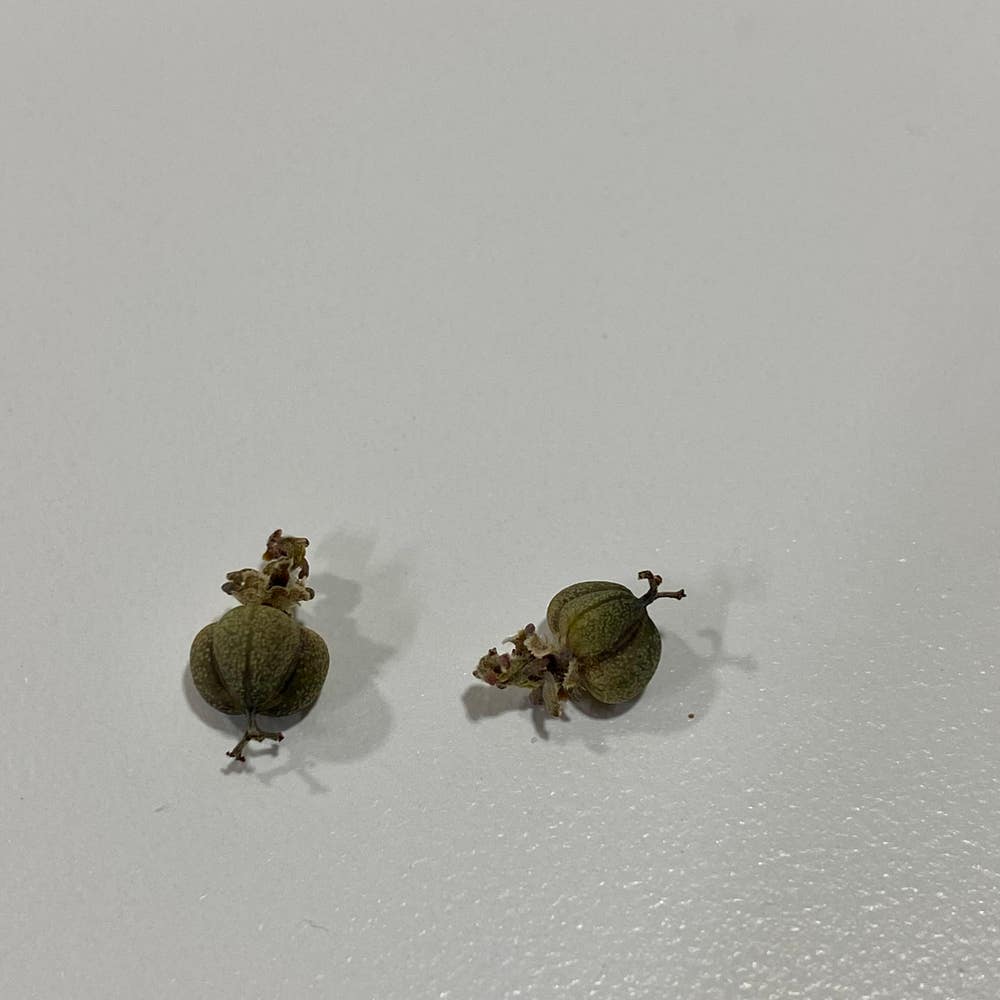
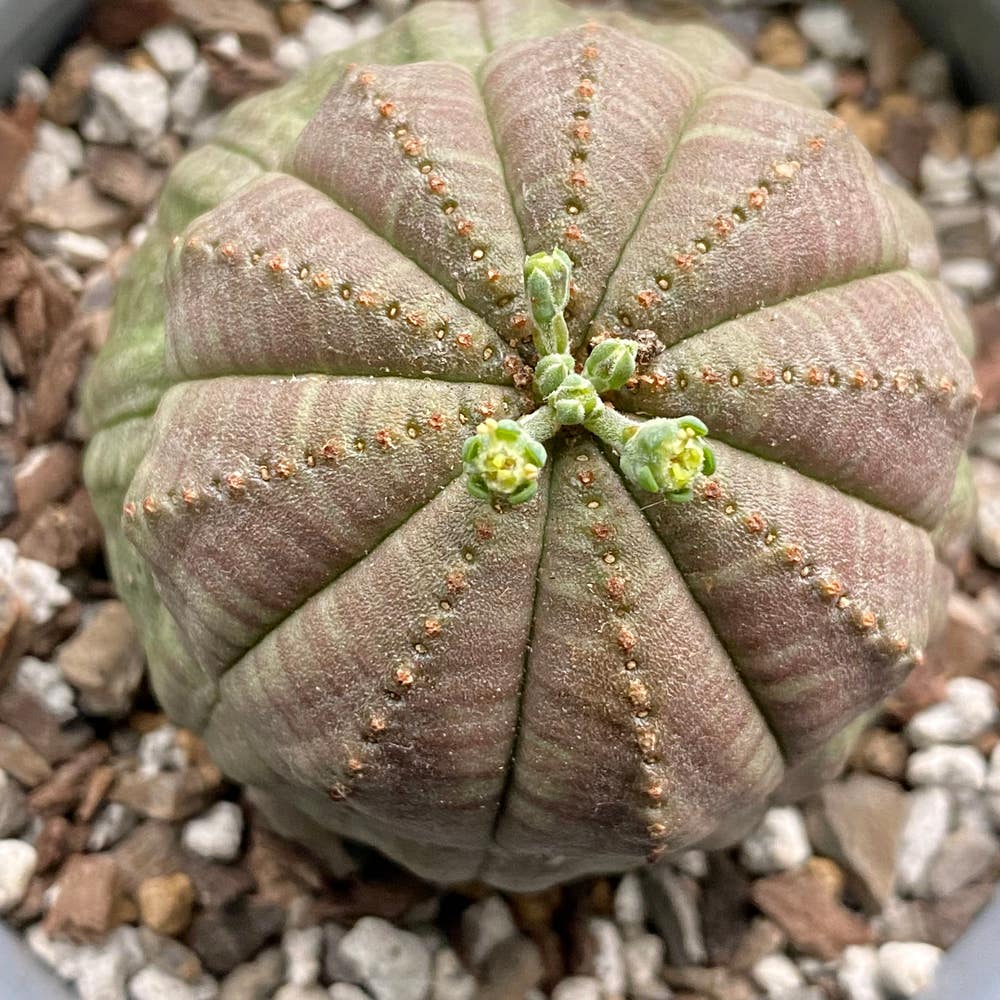
Collecting seeds from your Euphorbia obesa is a rewarding process. Aim to gather seeds after flowering, typically in late summer to early fall.
To collect seeds, gently shake or tap the seed pods to release them. Once collected, clean the seeds to remove any debris and allow them to dry for a few days.
🌾 How to Plant and Care for Seeds
Preparing the right soil is crucial for successful germination. Use a well-draining succulent mix to create an ideal environment for your seeds.
When sowing, scatter the seeds on the surface and lightly press them into the soil. Mist the area lightly to avoid over-saturation, and maintain a temperature around 20-25°C (68-77°F) with indirect light for optimal germination.
🌿 How to Identify and Remove Offsets
Offsets are small plants that grow at the base of the parent Euphorbia obesa. Identifying these offsets is the first step in propagation.
To remove them, use a clean, sharp knife to cut the offsets away from the main plant. After cutting, allow the ends to dry for 1-2 days before planting to promote healing.
🌵 How to Prepare and Plant Offsets
For planting offsets, soil quality is key. Use a cactus mix or well-draining succulent soil to ensure healthy growth.
When planting, place the offsets in the soil so that the cut end is just below the surface. After planting, lightly water the offsets and allow the soil to dry out before watering again.
✂️ How to Take and Prepare Cuttings
Taking cuttings is another effective propagation method. Select healthy stems that are ideally 4-6 inches long for the best results.
Use a sterile knife to make a clean cut, and then let the cut ends dry for 1-2 days before planting. This helps the cuttings to callous, reducing the risk of rot.
🌊 How to Root Cuttings Successfully
Rooting cuttings requires the right soil mix. A well-draining succulent or cactus mix will provide the necessary support for your cuttings.
Insert the cut ends into the soil, ensuring they are stable. Mist lightly and place the cuttings in indirect sunlight, avoiding overwatering to promote healthy root development.
This step-by-step guide equips you with the knowledge to propagate your Euphorbia obesa effectively. Next, let’s explore some common challenges you might face during propagation.
Common Challenges in Propagation
🥴 Dealing with Rot in Cuttings
Rot can be a real buzzkill when propagating Euphorbia obesa. Look out for soft, mushy stems or discoloration—these are telltale signs that your cuttings are in trouble.
To prevent rot, focus on proper soil drainage. Using a well-draining mix and avoiding overwatering are key strategies to keep your cuttings healthy.
🐜 Preventing Pests During Propagation
Pests can sneak in and wreak havoc on your propagation efforts. Common culprits include mealybugs, aphids, and spider mites, which can quickly take over if not addressed.
Regular inspection is your best defense. If you spot any unwelcome guests, using insecticidal soap can help keep them at bay.
🌱 Understanding Germination Issues with Seeds
Germination can sometimes feel like a game of chance. Poor germination rates and mold growth are common problems that can frustrate even seasoned plant parents.
To improve your chances, ensure proper soil moisture without over-saturating. Additionally, avoid overcrowding your seeds to give each one the best shot at sprouting.
With these challenges in mind, you're better equipped to navigate the propagation process. Next, let's dive into post-propagation care to ensure your new Euphorbia obesa thrive!
Post-Propagation Care
🌱 Transplanting Young Euphorbia obesa
Transplanting your Euphorbia obesa is crucial for their growth. Wait until seedlings or offsets have established roots before moving them to a new home.
When you're ready to transplant, gently remove the plant from its original container. Be careful not to damage the roots, and replant it in fresh, well-draining soil to give it the best chance to thrive.
💧 Watering Schedule for New Plants
After transplanting, give your new plant a light watering. This helps settle the soil around the roots, but be sure to let the soil dry out before the next watering.
For ongoing care, establish a watering schedule of every 2-3 weeks. Adjust this frequency based on your plant's environment—if it's particularly hot or dry, your Euphorbia may need a bit more moisture.
🌿 Fertilization Tips for Young Euphorbia obesa
Start fertilizing your Euphorbia obesa about 4-6 weeks after they begin to grow. This timing ensures that they have enough energy to support their development.
Use a diluted cactus fertilizer during the growing season to provide essential nutrients. This will help your plants flourish and maintain their vibrant health.
As you care for your Euphorbia obesa, remember that patience is key. With the right post-propagation care, you'll soon see your efforts rewarded with healthy, thriving plants.
⚠️ Safety First
This content is for general information and may contain errors, omissions, or outdated details. It is not medical, veterinary advice, or an endorsement of therapeutic claims.
Always consult a qualified healthcare professional before using any plant as food, medicine, or supplement.
Never eat any plant (or feed one to pets) without confirming its identity with at least two trusted sources.
If you suspect poisoning, call Poison Control (800) 222-1222, the Pet Poison Helpline (800) 213-6680, or your local emergency service immediately.
Spotted an error? Please report it here.
Propagating your Euphorbia obesa is exciting 🌱 and with Greg's tailored care reminders, you'll ensure your new plants thrive from seed to succulent!