🌍 Understanding Euphorbia obesa Height
Euphorbia obesa
By the Greg Editorial Team
Jan 06, 2025•4 min read
This article was created with the help of AI so we can cover more plants for you. May contain errors. See one? Report it here.
Master the art of growing Euphorbia obesa 🌱 and achieve stunning size control for your garden oasis!
- 🌱 Euphorbia obesa grows 15-30 cm tall and can spread up to 60 cm wide.
- 💧 Moderate watering and well-draining soil are essential for healthy growth.
- ☀️ Adequate sunlight promotes larger plants; insufficient light leads to smaller, elongated growth.
Mature Height and Spread
Typical Dimensions 🌱
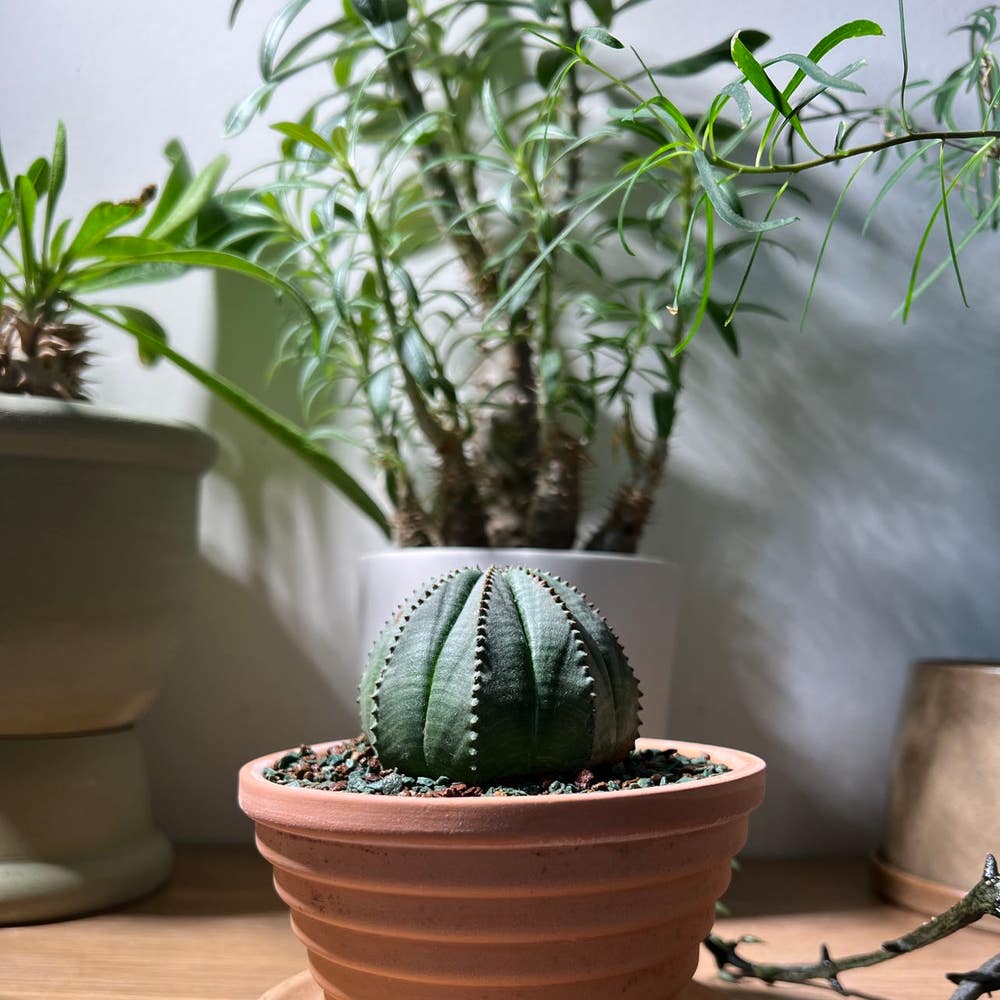
Euphorbia obesa typically reaches a mature height of 15-30 cm (6-12 inches) and can spread from 30-60 cm (12-24 inches). These dimensions make it a compact and appealing choice for various gardening spaces.
Growth Habits 🌿
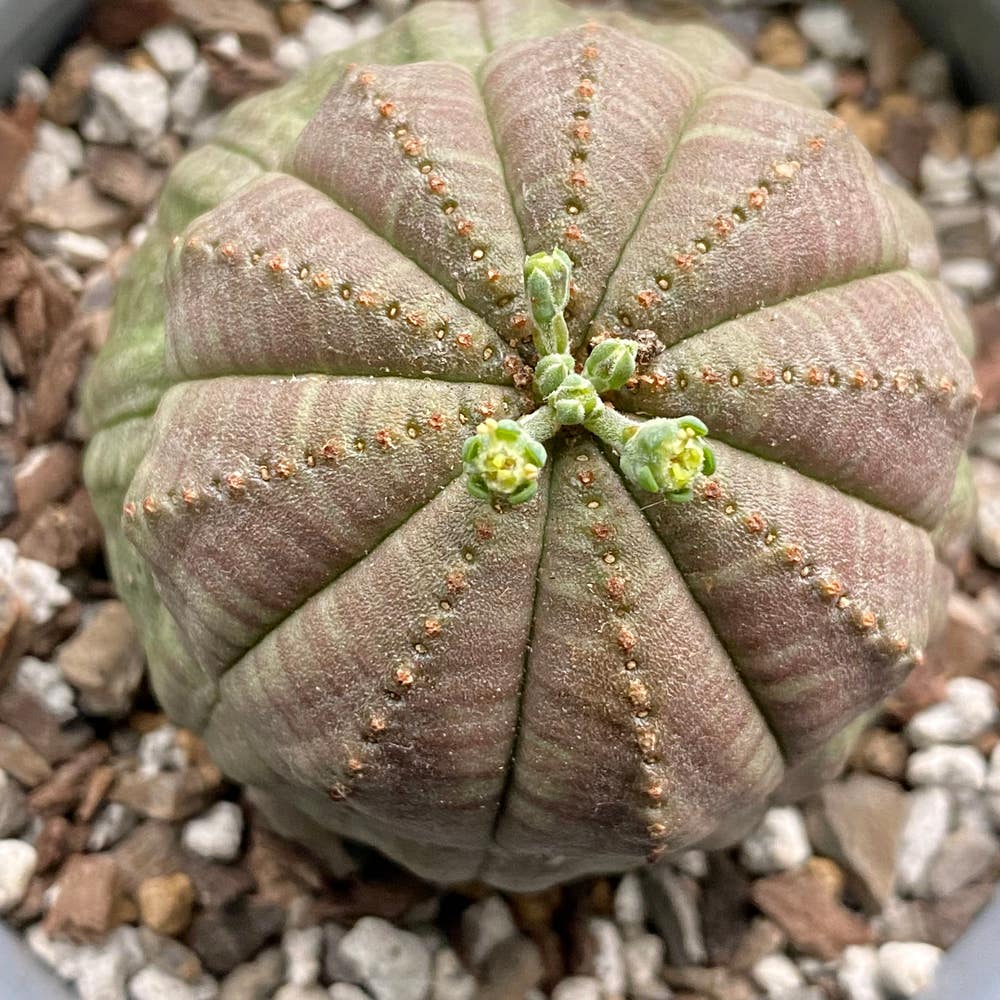
The plant's spherical shape plays a significant role in its compact growth, allowing it to fit snugly into smaller areas. Additionally, its ribbed structure not only adds to its aesthetic appeal but also enhances light absorption and water retention, which can influence its overall size.
This unique combination of features makes Euphorbia obesa a fascinating specimen for both novice and experienced gardeners. Understanding these growth habits can help you provide the best care for your plant, ensuring it thrives in your collection.
As we explore further, we'll delve into how growth rates and environmental factors affect the size of Euphorbia obesa.
Growth Rate and Time to Reach Full Size
🌱 Growth Rate Characteristics
Euphorbia obesa is known for its relatively slow growth rate. This unique plant's development is influenced by several key factors, including soil quality, watering frequency, and light exposure.
- Soil Quality: Well-draining soil is essential for healthy growth. Poor soil can hinder the plant's ability to thrive.
- Watering Frequency: Consistent, moderate watering is crucial. Overwatering can stunt growth, while underwatering can stress the plant.
- Light Exposure: Adequate sunlight is vital. Insufficient light can lead to slower growth and elongated shapes.
⏳ Timeframe to Maturity
Reaching full size takes time, typically spanning several years. Under optimal conditions, Euphorbia obesa usually matures in about 3 to 5 years.
However, growth rates can vary significantly based on care conditions and environmental factors. For instance, a well-cared-for plant in ideal conditions may flourish faster than one in less favorable circumstances.
Understanding these growth dynamics can help you nurture your Euphorbia obesa effectively, ensuring it reaches its full potential.
Size Variability Based on Environmental Conditions
🌱 Impact of Soil Type and Watering on Growth
The type of soil you use for Euphorbia obesa plays a crucial role in its growth. Well-draining soils are essential, as they prevent water from pooling around the roots, promoting healthier growth.
Watering practices also significantly impact plant size. Overwatering can stunt growth, so it's best to maintain a consistent but moderate watering schedule to keep your plant thriving.
☀️ Influence of Light Exposure on Size
Light exposure is another key factor in determining the size of your Euphorbia obesa. Full sun conditions lead to better growth and larger dimensions, allowing the plant to flourish.
On the flip side, insufficient light can result in smaller plants and elongated growth patterns. Ensuring your plant receives adequate sunlight is vital for achieving its full potential.
Understanding these environmental factors can help you create the ideal conditions for your Euphorbia obesa, leading to a healthier and more robust plant. Next, let's explore the various Euphorbia obesa varieties and their growth potential.
Varieties and Growth Potential
🌱 Dwarf Varieties
Dwarf varieties of Euphorbia obesa are a charming option for those looking to add a compact touch to their collection. These petite plants typically remain smaller than their standard counterparts, reaching a maximum height of just 10-15 cm (4-6 inches).
🌳 Giant Varieties
On the other end of the spectrum, giant varieties of Euphorbia obesa can truly impress. Under optimal conditions, these robust plants can exceed typical dimensions, achieving heights of 30-45 cm (12-18 inches) or even more.
📈 Summary of Growth Potential
Whether you prefer the compact nature of dwarf varieties or the impressive stature of giants, Euphorbia obesa offers a diverse range of options. Each variety brings its unique charm and growth potential, allowing you to choose the perfect fit for your space and aesthetic.
As you explore these varieties, consider how their growth potential aligns with your gardening goals. Next, let’s delve into how to control the size of these fascinating plants effectively.
Controlling Size
Pruning Techniques for Size Management ✂️
Managing the size of your Euphorbia obesa can be both an art and a science. Pruning is a key technique to keep your plant in check, and timing is crucial; the best period for pruning is during the growing season.
To encourage a bushier appearance, consider removing the top portion of the plant. This technique promotes lateral growth, resulting in a fuller, more compact shape.
Other Methods to Control Growth 📏
In addition to pruning, pot size plays a significant role in controlling growth. Using smaller pots can effectively restrict the plant's size, as the limited space encourages a more compact growth habit.
Soil amendments are another way to influence growth rates. Adjusting the soil composition can create conditions that either promote or hinder growth, allowing you to tailor your Euphorbia obesa to your desired size.
By combining these methods, you can maintain a healthy and manageable Euphorbia obesa that fits perfectly into your space.
⚠️ Safety First
This content is for general information and may contain errors, omissions, or outdated details. It is not medical, veterinary advice, or an endorsement of therapeutic claims.
Always consult a qualified healthcare professional before using any plant as food, medicine, or supplement.
Never eat any plant (or feed one to pets) without confirming its identity with at least two trusted sources.
If you suspect poisoning, call Poison Control (800) 222-1222, the Pet Poison Helpline (800) 213-6680, or your local emergency service immediately.
Spotted an error? Please report it here.
Unlock the secrets to nurturing your Euphorbia obesa with Greg's tailored care tips and watering reminders, ensuring your plant grows vibrantly 🌿 in your collection!