⚾ Euphorbia obesa Is a Perennial
Euphorbia obesa
By the Greg Editorial Team
Jan 06, 2025•4 min read
This article was created with the help of AI so we can cover more plants for you. May contain errors. See one? Report it here.
Transform your garden with Euphorbia obesa, a resilient perennial that thrives with minimal care! 🌱
- 🌱 Euphorbia obesa is a perennial, regrowing yearly from the same root system.
- 💧 Drought-tolerant and low-maintenance, it thrives in arid conditions with minimal care.
- 🌼 Enjoy decades of beauty with its unique ribbed appearance and sporadic summer blooms.
Characteristics of Euphorbia obesa as a Perennial
🌱 Multi-Year Lifecycle
Euphorbia obesa is a remarkable perennial that thrives year after year, regrowing from the same root system. This resilience sets it apart from annual and biennial plants, which complete their life cycles in one or two years, respectively.
Perennials like Euphorbia obesa offer longevity, allowing gardeners to enjoy their beauty without the need for constant replanting. This characteristic not only saves time but also fosters a more stable garden ecosystem.
📈 Growth Patterns
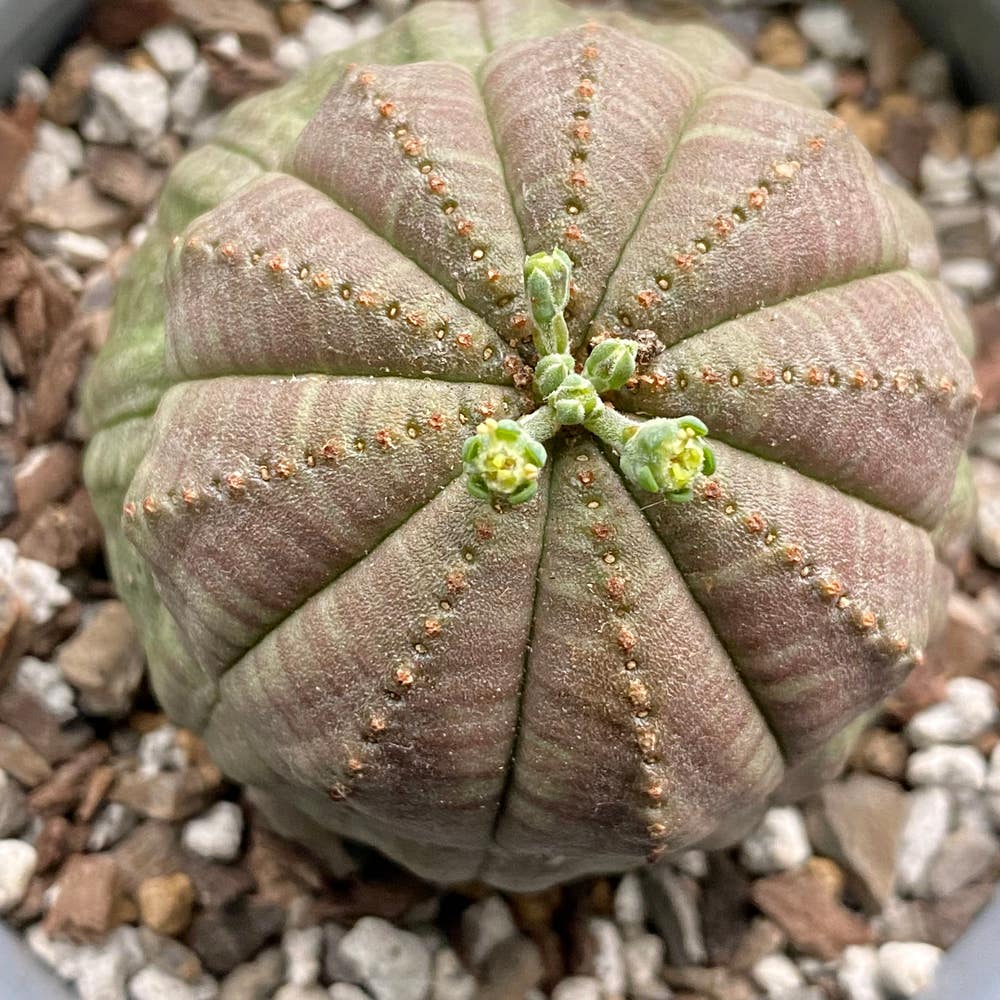
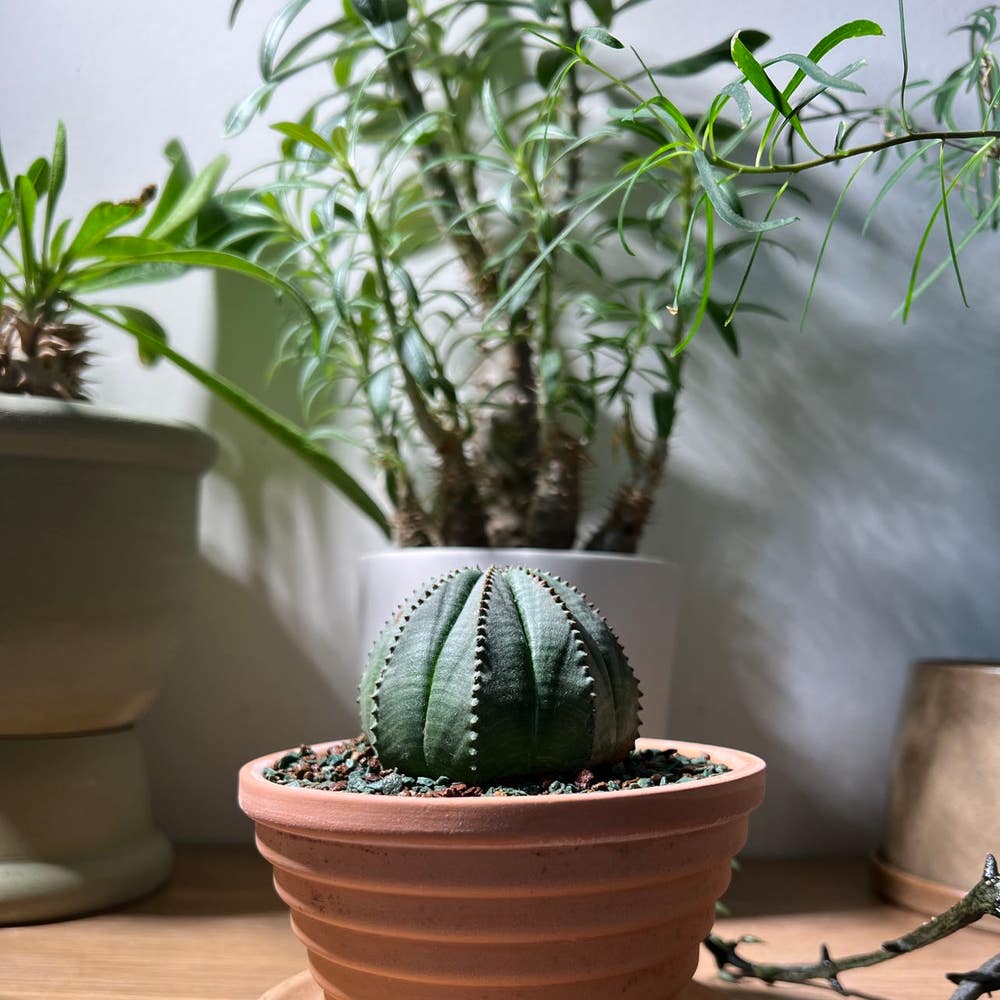
One of the standout features of Euphorbia obesa is its unique growth pattern. It exhibits a slow growth rate and a distinctive ribbed appearance, making it a striking addition to any garden.
This plant is well-adapted to thrive in arid conditions, showcasing its ability to conserve water and nutrients. Such adaptations solidify its classification as a perennial, ensuring it remains a resilient choice for gardeners in dry climates.
Impact of Perennial Nature on Growth and Lifespan
🌸 Effects on Flowering
Euphorbia obesa has a unique flowering habit, blooming occasionally, typically in late summer. This sporadic flowering is closely linked to its perennial nature, as the established root systems provide the necessary stability and resources for flowering when conditions are right.
⏳ Overall Lifespan
Under optimal conditions, Euphorbia obesa can live for several decades, showcasing its impressive longevity. For gardeners, this means less frequent replanting and the benefits of a robust root system that enhances the plant's stability and resilience in the garden.
The perennial nature of Euphorbia obesa not only contributes to its flowering habits but also significantly impacts its overall lifespan. This makes it a valuable addition to any garden, offering both beauty and durability.
As we explore the next section, we'll delve into the dormancy and seasonal changes that further define the life cycle of this remarkable plant.
Dormancy and Seasonal Changes
Description of Dormancy Periods 🌙
Euphorbia obesa experiences a dormancy period during the winter months. During this time, it requires minimal water and care, allowing the plant to conserve energy.
Recognizing this dormancy is crucial for proper care. Understanding when your plant is resting helps you adjust your watering and maintenance routines accordingly.
Seasonal Changes 🌱
Euphorbia obesa showcases distinct seasonal growth patterns. It thrives with active growth in spring and summer, while entering dormancy during the colder winter months.
This plant has remarkable adaptations that allow it to conserve resources during dormancy. By reducing its metabolic activity, Euphorbia obesa ensures its survival until the warmer seasons return, ready to flourish once again.
As you plan your garden, keep these seasonal changes in mind. Knowing when your Euphorbia obesa will be active or dormant can help you create a thriving environment for this resilient perennial.
Variations Across Climate Zones
🌍 Perennial Behavior in Different Climates
Euphorbia obesa showcases remarkable adaptability, thriving primarily in arid and semi-arid environments. This resilience allows it to flourish where many other plants struggle, making it a favorite among gardeners in similar climates.
Growth patterns can vary significantly based on climate. In hotter, drier regions, Euphorbia obesa may exhibit slower growth, while in more temperate zones, it might grow more vigorously but still retains its perennial nature.
🌱 Adaptations to Various Growing Conditions
Euphorbia obesa has developed specific adaptations that enhance its survival across diverse climates. Its drought tolerance is a standout feature, enabling it to withstand prolonged dry spells without succumbing to stress.
Additionally, the plant's robust root system plays a crucial role in its resilience. This deep-rooted structure not only anchors the plant but also allows it to access moisture and nutrients from deeper soil layers, ensuring its longevity and health.
Understanding these adaptations can help gardeners make informed decisions about planting and care, maximizing the benefits of this unique perennial.
Maximizing Benefits in Garden Planning
Tips for Utilizing Euphorbia obesa's Perennial Nature 🌱
To make the most of Euphorbia obesa's perennial nature, consider its strategic placement in your garden. Choose locations that mimic its natural habitats, such as well-drained, sandy soils with plenty of sunlight.
Companion planting is another effective strategy. Pair Euphorbia obesa with other drought-tolerant plants to create a resilient garden ecosystem that thrives with minimal water.
Long-Term Cultivation Strategies 🌿
Soil health and drainage are crucial for the longevity of Euphorbia obesa. Ensure your soil is well-draining to prevent root rot and promote healthy growth.
Regular monitoring and care during active growth periods will keep your Euphorbia obesa thriving. Pay attention to its needs, and you'll enjoy a vibrant, low-maintenance addition to your garden for years to come.
⚠️ Safety First
This content is for general information and may contain errors, omissions, or outdated details. It is not medical, veterinary advice, or an endorsement of therapeutic claims.
Always consult a qualified healthcare professional before using any plant as food, medicine, or supplement.
Never eat any plant (or feed one to pets) without confirming its identity with at least two trusted sources.
If you suspect poisoning, call Poison Control (800) 222-1222, the Pet Poison Helpline (800) 213-6680, or your local emergency service immediately.
Spotted an error? Please report it here.
Euphorbia obesa is a low-maintenance beauty 🌵 that thrives with minimal care, and with Greg's tailored reminders, you can effortlessly keep it healthy and vibrant for years to come!