🌵 Euphorbia obesa Is Not an Annual
Euphorbia obesa
By the Greg Editorial Team
Jan 06, 2025•4 min read
This article was created with the help of AI so we can cover more plants for you. May contain errors. See one? Report it here.
Unlock the secrets to nurturing Euphorbia obesa, a stunning succulent that thrives for decades! 🌱
- 🌱 Euphorbia obesa can live over 50 years, far exceeding annual plant lifespans.
- 🌵 This succulent grows slowly, adding just a few centimeters each year.
- 💧 Deep roots and spherical shape help it thrive in arid environments.
Genetic and Physiological Characteristics
🌱 Long-term lifecycle
Euphorbia obesa is a remarkable plant, boasting a lifespan that can exceed 50 years. Its growth rate is notably slow, typically adding only a few centimeters each year, making it a true testament to patience in the plant world.
📈 Growth patterns and adaptations
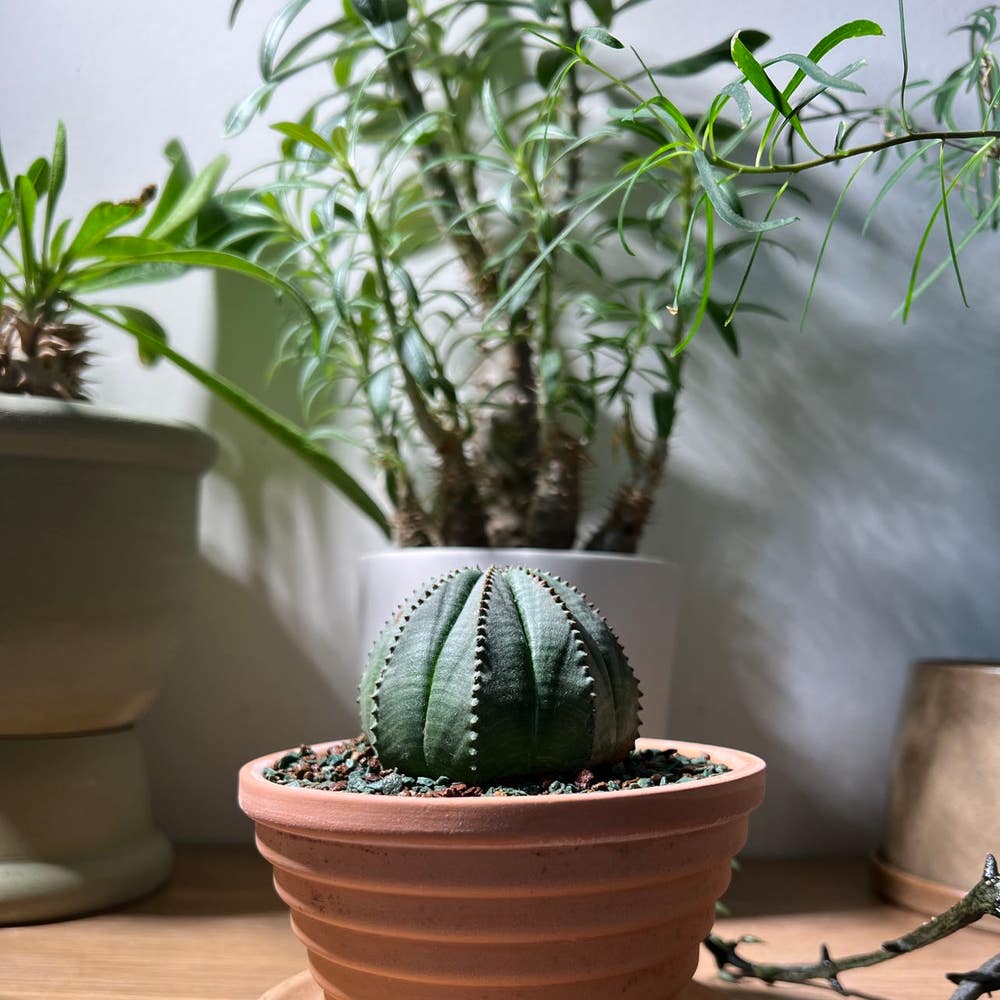
One of its most striking features is its spherical shape, which serves as an adaptation to minimize water loss. This unique form, combined with a deep root system, allows Euphorbia obesa to efficiently absorb moisture in arid environments.
🌼 Reproductive strategies
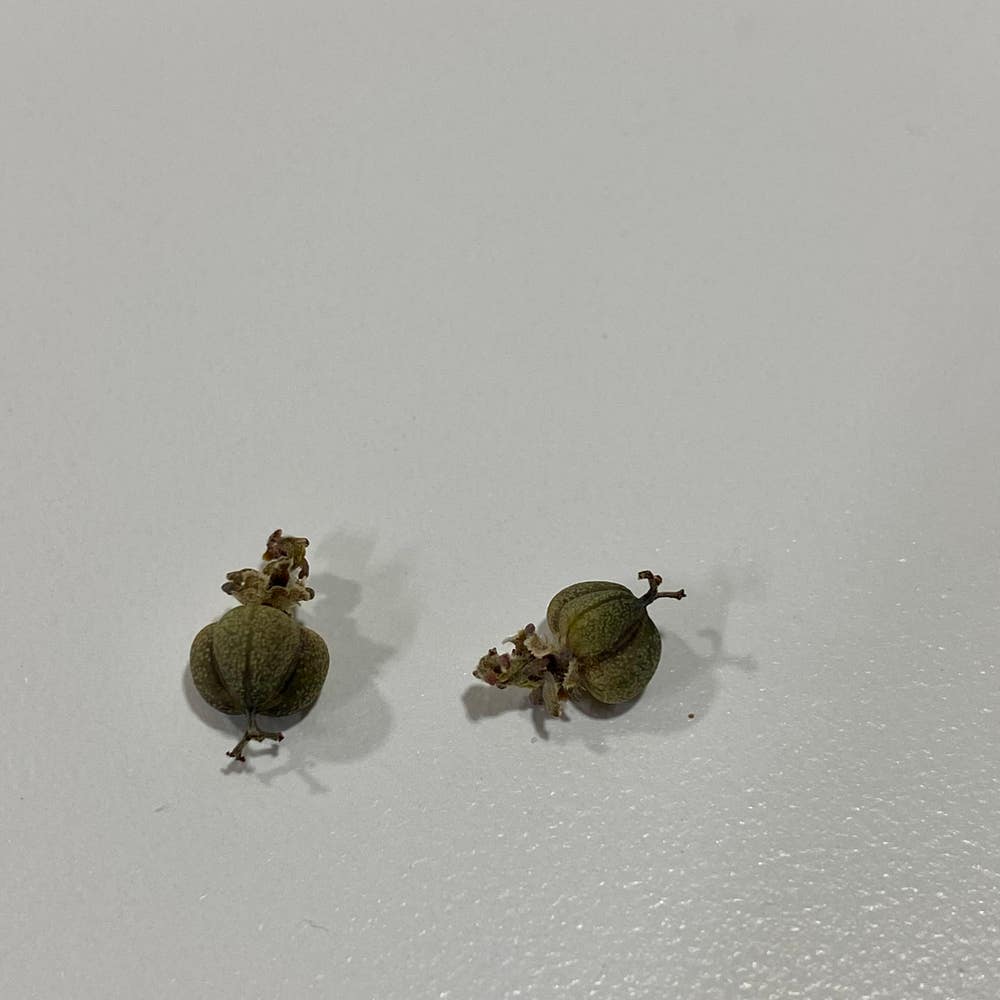
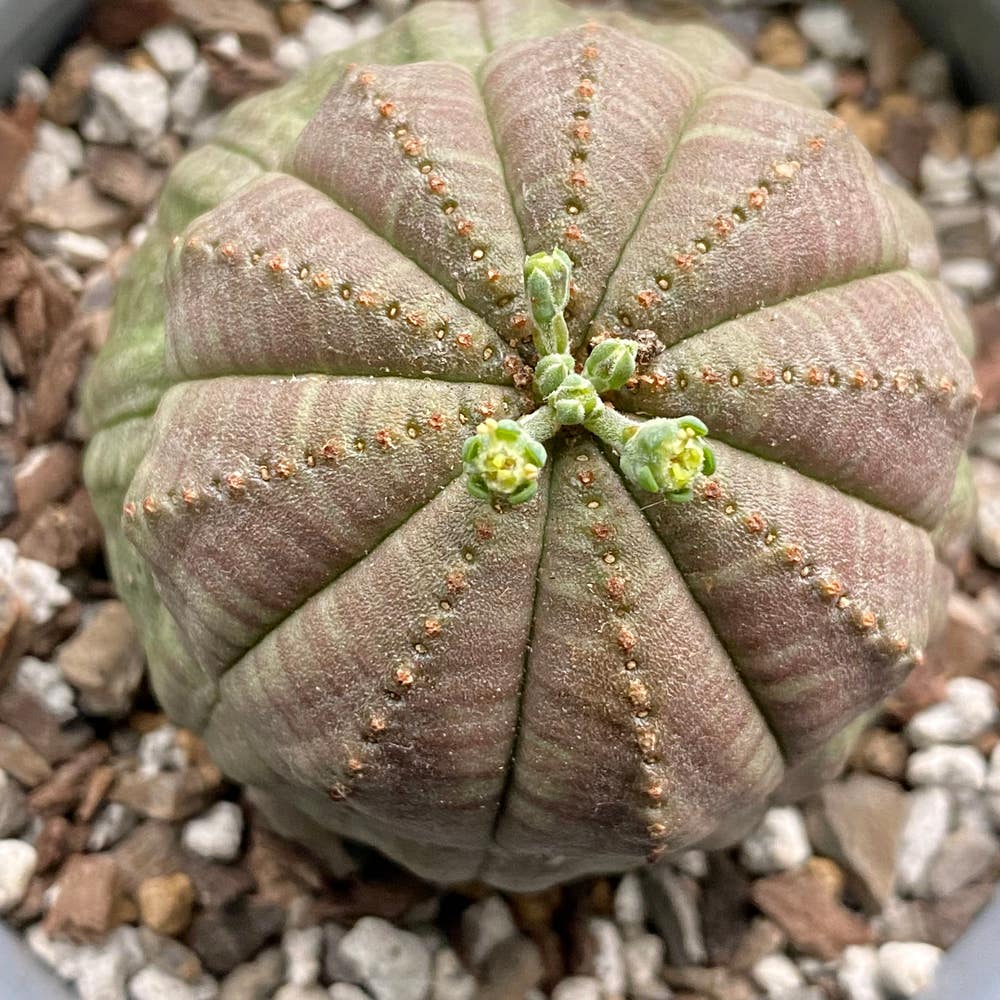
Flowering in Euphorbia obesa is a rare event, usually occurring in late summer. When it does bloom, the plant produces seeds that can remain viable for years, ensuring its survival even in challenging conditions.
This combination of longevity, slow growth, and unique reproductive strategies highlights the resilience of Euphorbia obesa, setting it apart from more common annual plants. Understanding these characteristics is crucial for anyone looking to cultivate this extraordinary succulent.
Lifecycle Implications
Growth and Flowering Cycles 🌸
Euphorbia obesa showcases a fascinating growth pattern, thriving actively during spring and summer. As the seasons shift, it enters a dormancy phase in fall and winter, conserving energy and resources.
Flowering is a rare event for this plant, occurring less frequently than in annuals. Typically, you can expect blooms every few years, making each flowering a special occasion.
Seed Production Compared to Annuals 🌱
When it comes to seed production, Euphorbia obesa is quite limited. Unlike annuals that produce seeds every season, this succulent takes its time, reflecting its long-term lifecycle.
The seeds it does produce are remarkable in their resilience. They can remain dormant for years, waiting for the perfect conditions to sprout, which is a testament to the plant's adaptability in harsh environments.
Understanding these lifecycle implications is crucial for anyone looking to cultivate Euphorbia obesa. It sets the stage for effective gardening strategies and care practices that align with its unique growth habits.
Common Misunderstandings
🌪️ Conditions Leading to Misconceptions
Euphorbia obesa often faces misunderstandings due to environmental stress. Extreme temperatures or inadequate care can lead to signs that misrepresent its true nature, making it seem like a short-lived plant.
Another common issue is misidentification. Its spherical shape can easily confuse gardeners, leading them to mistake it for annual succulents that have a much shorter lifespan.
🌍 Variations in Growth Based on Environmental Factors
The climate plays a significant role in how Euphorbia obesa grows. In different regions, variations in temperature and humidity can affect its growth rate and lifespan, leading to misconceptions about its longevity.
Care practices also influence perceptions. Improper watering or unsuitable soil conditions can mimic the behavior of annuals, causing gardeners to underestimate the resilience and lifespan of this unique succulent.
Understanding these factors is crucial for appreciating the true nature of Euphorbia obesa. With the right care and conditions, this plant can thrive for decades, defying the common misconceptions surrounding it.
As we move forward, let's explore how to effectively garden with Euphorbia obesa to maximize its unique qualities.
Gardening with Euphorbia obesa
🌟 Advantages in garden design
Euphorbia obesa brings a unique aesthetic to any garden with its striking spherical shape. This distinctive form not only adds visual interest but also serves as a conversation starter among gardening enthusiasts.
Additionally, this plant is drought-resistant, making it an excellent choice for xeriscaping and low-water gardens. Its ability to thrive in arid conditions means less maintenance and more time to enjoy your garden.
🌱 Planning for perennial growth
When incorporating Euphorbia obesa into your garden, consider companion planting. Pairing it with other perennials can create a cohesive design that enhances the overall beauty of your landscape.
Long-term planning is essential due to Euphorbia obesa's slow growth. Understanding its lifecycle will help you design a garden that flourishes over the years, ensuring that your efforts yield a stunning display for many seasons to come.
Management Tips
🌱 Best practices for maximizing longevity
To ensure your Euphorbia obesa thrives for decades, start with the right soil. Use well-draining soil to prevent root rot, which can be a common issue for this succulent.
Next, establish an infrequent watering schedule. Mimicking its natural arid conditions will help your plant flourish, as overwatering can lead to serious health problems.
☀️ Seasonal care considerations
During the winter months, it's crucial to reduce watering. This plant enters a dormancy phase, and too much moisture can be detrimental.
Fertilization should also be minimal. Apply it sparingly during the active growth periods in spring and summer to support healthy development without overwhelming the plant.
By following these management tips, you can enjoy the unique beauty of Euphorbia obesa for many years to come. As you cultivate this remarkable succulent, you'll appreciate its resilience and charm, making it a standout in your garden.
⚠️ Safety First
This content is for general information and may contain errors, omissions, or outdated details. It is not medical, veterinary advice, or an endorsement of therapeutic claims.
Always consult a qualified healthcare professional before using any plant as food, medicine, or supplement.
Never eat any plant (or feed one to pets) without confirming its identity with at least two trusted sources.
If you suspect poisoning, call Poison Control (800) 222-1222, the Pet Poison Helpline (800) 213-6680, or your local emergency service immediately.
Spotted an error? Please report it here.
Euphorbia obesa can thrive for decades with the right care 🌱, and Greg's personalized watering reminders will help you keep this stunning succulent flourishing in your garden!