Ultimate Guide to What's Eating Your Euphorbia obesa 🐛
Euphorbia obesa
By the Greg Editorial Team
Jan 06, 2025•6 min read
This article was created with the help of AI so we can cover more plants for you. May contain errors. See one? Report it here.
Safeguard your Euphorbia obesa 🌵 from herbivores while inviting beneficial wildlife to enrich your garden ecosystem!
- 🌵 Euphorbia obesa attracts herbivores like deer and rabbits, risking plant health.
- 🦌 Effective deterrents include repellents, fencing, and companion planting for protection.
- 🐝 Beneficial insects like bees enhance pollination, supporting Euphorbia obesa's growth.
Description and Appeal
Appearance 🌵
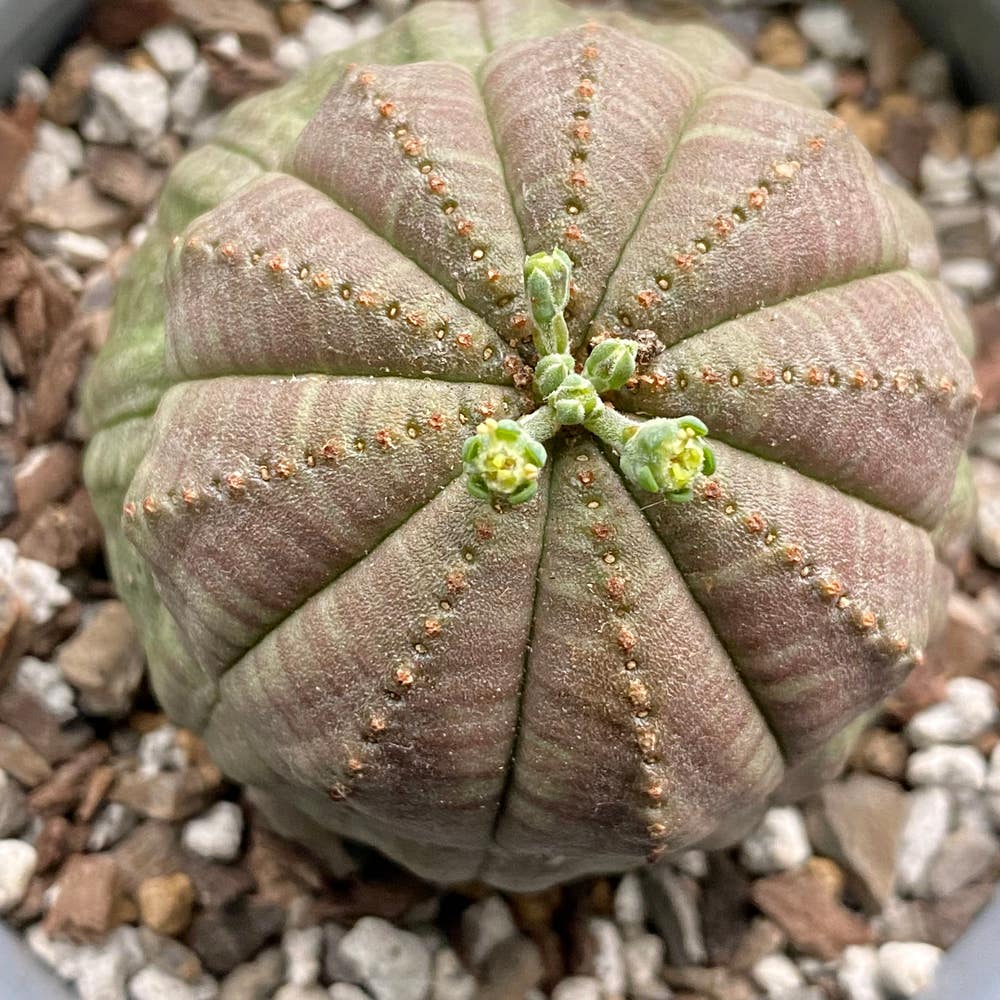
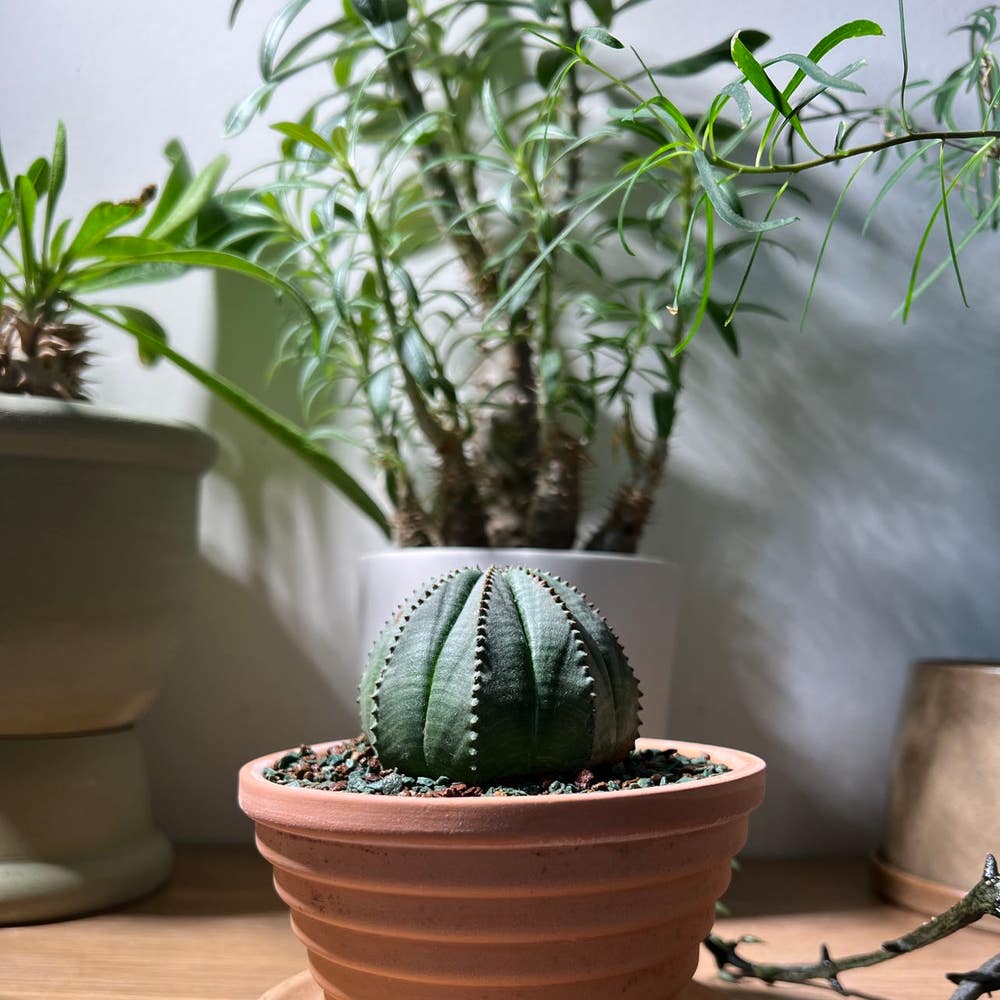
Euphorbia obesa is a striking succulent known for its spherical shape and unique ribbed texture. Its color ranges from vibrant green to a more subdued grayish-green, creating a captivating visual appeal.
Typically, this plant grows to about 4-6 inches in diameter, making it a perfect addition to any garden or indoor space. Its compact size and distinctive form draw the eye, making it a favorite among succulent enthusiasts.
Most Appealing Parts to Animals 🐾
The allure of Euphorbia obesa extends beyond its appearance; its flowers are a bright yellow-green, attracting both pollinators and herbivores alike. These flowers not only enhance the plant's beauty but also play a crucial role in its reproduction.
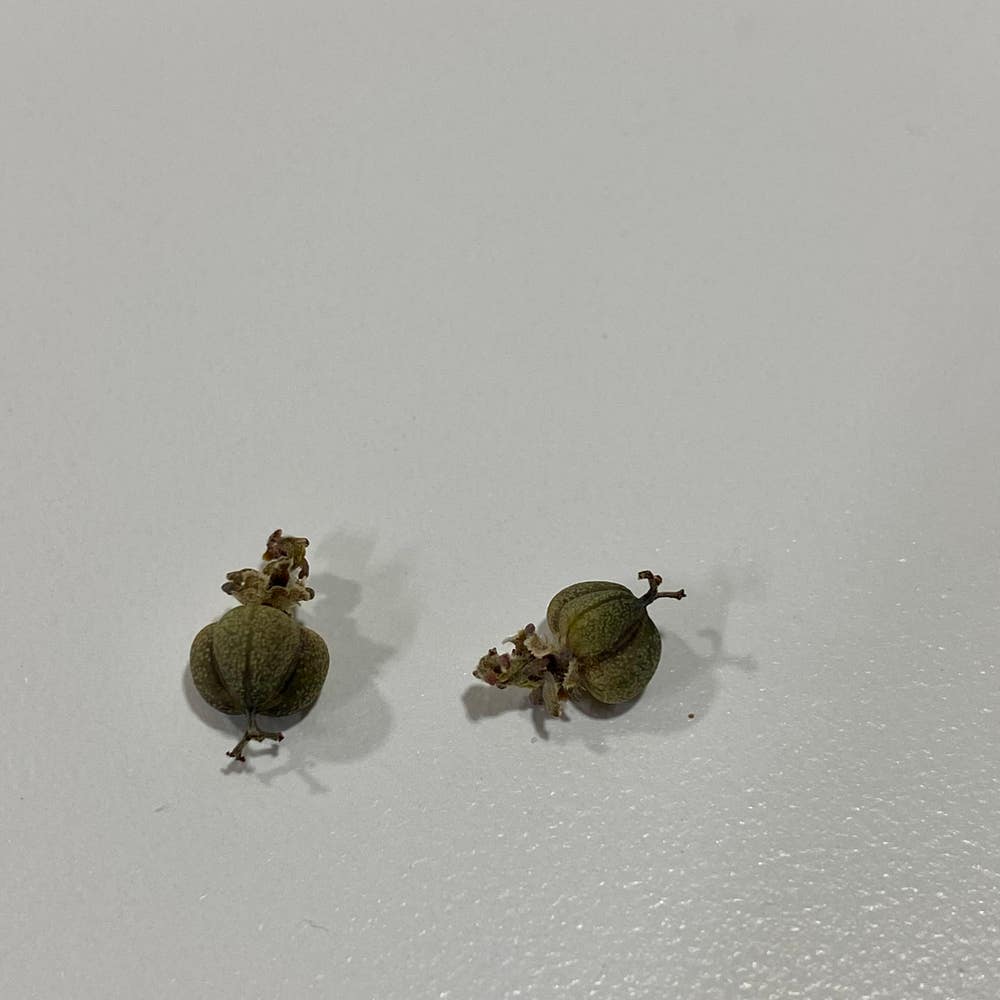
Additionally, the small, fleshy fruits produced by the plant are enticing to various animals, providing a tasty treat. Young shoots are particularly appealing, as they are tender and nutritious, making them a prime target for herbivores seeking a fresh meal.
Euphorbia obesa's combination of visual charm and nutritional value creates a dynamic interaction with the surrounding ecosystem. This plant not only beautifies spaces but also supports local wildlife, making it a truly remarkable specimen.
Common Herbivores Affecting Euphorbia obesa
🦌 Deer
Signs of presence and damage caused
Deer are often the first culprits when it comes to herbivore damage. Look for hoof prints in the soil and signs of browsing on the upper parts of your Euphorbia obesa, which can lead to stunted growth.
Beneficial vs. harmful interaction
Interactions with deer are generally harmful. If not managed, they can severely damage or even kill your plant.
Deterrent methods
To keep deer at bay, consider using commercial deer repellents that have strong scents. Alternatively, planting deer-resistant plants nearby or using human hair and soap shavings can be effective organic methods.
🐇 Rabbits
Signs of presence and damage caused
Rabbits leave behind small, round droppings and nibbling marks on the plant. They typically chew on the lower parts and young shoots, which can lead to significant plant decline.
Beneficial vs. harmful interaction
Like deer, rabbits are generally harmful to Euphorbia obesa. Their feeding habits can cause considerable damage.
Deterrent methods
Bitter-tasting sprays can act as chemical deterrents against rabbits. For an organic approach, consider fencing around the plant or using repellents like cayenne pepper.
🐿️ Squirrels
Signs of presence and damage caused
Squirrels can be quite destructive, leaving scratches on the soil and chewed plant parts. They dig around the base and eat fruits or flowers, disrupting the plant's growth.
Beneficial vs. harmful interaction
Squirrels are generally harmful to Euphorbia obesa. Their activities can significantly affect the plant's health.
Deterrent methods
Commercial squirrel repellents serve as effective chemical deterrents. For a more organic solution, scare tactics like reflective objects or noise-making devices can help.
🐦 Birds
Signs of presence and damage caused
Birds can be tricky; look for droppings near the plant and peck marks on fruits. They often eat flowers and fruits, which can hinder reproduction.
Beneficial vs. harmful interaction
Birds present a mixed bag. While some help with pollination, others can cause damage to the plant.
Deterrent methods
Non-toxic bird repellents can deter unwanted feathered visitors. Alternatively, using netting over the plant or decoys can effectively scare birds away.
🐭 Rodents (mice, voles, etc.)
Signs of presence and damage caused
Rodents leave small burrows and droppings near the plant. They gnaw on roots and stems, leading to instability and potential plant collapse.
Beneficial vs. harmful interaction
Rodents are generally harmful to Euphorbia obesa. Their feeding habits can cause significant damage to the plant's health.
Deterrent methods
Chemical deterrents like rodent bait stations can be effective. For organic methods, traps and planting deterrent herbs like mint nearby can help keep them away.
🦡 Groundhogs/Woodchucks
Signs of presence and damage caused
Groundhogs leave large burrows and chewed plant bases. Their size and feeding habits can lead to extensive damage.
Beneficial vs. harmful interaction
These animals are generally harmful, capable of decimating Euphorbia obesa populations in gardens.
Deterrent methods
Strong-smelling repellents can serve as chemical deterrents. For a more robust organic solution, consider fencing that is buried underground to prevent burrowing.
Understanding these common herbivores and their interactions with Euphorbia obesa is crucial for maintaining a healthy plant. By implementing effective deterrent methods, you can protect your succulent from potential threats and ensure its thriving presence in your garden.
Beneficial Animals and Ecosystem Impact
🐝 Description of Beneficial Animals Attracted to Euphorbia obesa
Euphorbia obesa isn't just a feast for herbivores; it also attracts a variety of beneficial animals. Pollinators like bees and butterflies flock to its bright flowers, playing a crucial role in the plant's reproduction.
In addition to pollinators, predatory insects such as ladybugs and lacewings are drawn to the plant. These helpful insects help keep pest populations in check, creating a balanced ecosystem around your Euphorbia obesa.
🌱 Positive Impacts on the Garden Ecosystem
The presence of these beneficial animals leads to enhanced pollination, which can significantly boost fruit production. More fruits mean more seeds, ensuring the survival of the species and enriching your garden's biodiversity.
Moreover, the natural pest control provided by predatory insects reduces the need for chemical interventions. This creates a healthier environment for your plants and contributes to a thriving garden ecosystem.
Incorporating Euphorbia obesa into your garden not only beautifies the space but also fosters a vibrant community of beneficial wildlife. By supporting these animals, you're investing in the health and resilience of your garden.
As we explore the next section, we'll delve into general protection strategies to safeguard your Euphorbia obesa from potential threats while nurturing its beneficial relationships.
General Protection Strategies
🛡️ Preventive Measures for Herbivore Damage
To protect your Euphorbia obesa from herbivores, consider strategic plant placement. Positioning these plants in less accessible areas can significantly reduce the likelihood of animal encounters.
Companion planting is another effective strategy. By surrounding Euphorbia obesa with plants that deter herbivores, you create a natural barrier that can help keep unwanted visitors at bay.
⚠️ Reactive Solutions for Managing Animal Interactions
Regular monitoring is crucial for early detection of herbivore damage. Keep an eye out for signs of animal presence, such as tracks or nibbling marks.
Once you notice any signs, immediate action is essential. Implement deterrents right away to minimize damage and protect your plant's health.
🌱 Seasonal Variations in Animal Attraction
Understanding seasonal variations can help you anticipate herbivore activity. In spring, expect increased visits from rabbits and deer as they search for fresh growth.
During summer, squirrels and birds become more active, particularly with the availability of fruits. Being aware of these patterns allows you to adjust your protective measures accordingly.
☠️ Toxicity and Ecological Role
Euphorbia obesa contains milky latex, which can be toxic to some animals. This natural defense mechanism helps deter consumption, providing an added layer of protection.
Moreover, these plants play a vital ecological role. They offer habitat and food for various insects and animals, contributing to biodiversity in arid ecosystems. By nurturing Euphorbia obesa, you support a thriving garden ecosystem.
As you implement these strategies, remember that a proactive approach can make all the difference in maintaining the health of your Euphorbia obesa. Next, let’s explore the beneficial animals that can enhance your garden's ecosystem.
⚠️ Safety First
This content is for general information and may contain errors, omissions, or outdated details. It is not medical, veterinary advice, or an endorsement of therapeutic claims.
Always consult a qualified healthcare professional before using any plant as food, medicine, or supplement.
Never eat any plant (or feed one to pets) without confirming its identity with at least two trusted sources.
If you suspect poisoning, call Poison Control (800) 222-1222, the Pet Poison Helpline (800) 213-6680, or your local emergency service immediately.
Spotted an error? Please report it here.
Safeguard your Euphorbia obesa from herbivores 🦌 with Greg's tailored protection strategies and timely alerts, ensuring your succulent remains a stunning centerpiece in your garden!