Planting Euphorbia obesa in the Ground: A Step-by-Step Guide
Euphorbia obesa
By the Greg Editorial Team
Jan 06, 2025•6 min read
This article was created with the help of AI so we can cover more plants for you. May contain errors. See one? Report it here.
Unlock the secret to thriving Euphorbia obesa in your garden with expert planting and care tips! 🌱🌍
- 🌞 Euphorbia obesa thrives in full sun; choose the right location for optimal growth.
- 🌱 Well-draining sandy soil is essential to prevent root rot in Euphorbia obesa.
- 💧 Water every 2-3 weeks and allow soil to dry out completely for healthy plants.
Site Selection and Soil Preparation
Choosing the Right Location for Planting 🌍
When planting Euphorbia obesa, selecting the right location is crucial. These plants thrive in full sun to partial shade, so ensure they receive ample light for optimal growth.
Additionally, consider protection from harsh elements. Windbreaks can shield your plants from strong winds, while a sheltered spot can help protect them from heavy rain.
Accessibility is another key factor. Choose a location that is convenient for maintenance, ideally near water sources and gardening tools.
Soil Type and Preparation 🏺
Euphorbia obesa prefers sandy or rocky soil that drains well. This type of soil composition helps prevent water from pooling around the roots, which can lead to rot.
Aim for a slightly acidic to neutral pH, ideally between 6.0 and 7.0. To enhance your soil, consider adding amendments like perlite, coarse sand, or a cactus mix to improve drainage and aeration.
Importance of Drainage and Soil Amendments 🚰
Proper drainage is vital for the health of Euphorbia obesa. Poor drainage can lead to root rot and other moisture-related issues that can jeopardize your plant's survival.
To improve drainage, consider techniques such as creating raised beds, incorporating gravel layers, or ensuring drainage holes in containers. These methods will help keep your plants thriving and reduce the risk of water-related problems.
With the right location and soil preparation, you're setting the stage for a healthy Euphorbia obesa. Next, let’s dive into the planting techniques that will help you successfully establish your plant in the ground.
Planting Techniques
Step-by-step guide to planting Euphorbia obesa 🌱
Prepare the planting site: Start by clearing away any weeds and debris. Amend the soil as needed to create a suitable environment for your Euphorbia obesa.
Digging the hole: The hole should be as deep as the root ball and twice as wide. This gives the roots plenty of room to spread out.
Positioning the plant: Center the Euphorbia obesa in the hole. Ensure the top of the root ball is level with the soil surface for optimal growth.
Backfilling: Gently pack the soil around the roots, taking care to avoid air pockets. This helps the plant establish a strong foundation.
Watering: Lightly water the area to settle the soil around the roots. This step is crucial for eliminating air pockets and ensuring good contact with the soil.
Best practices for planting in the ground vs. containers 🌍
Ground planting: Make sure there’s adequate space for growth. Consider your local climate to ensure the plant thrives in its new home.
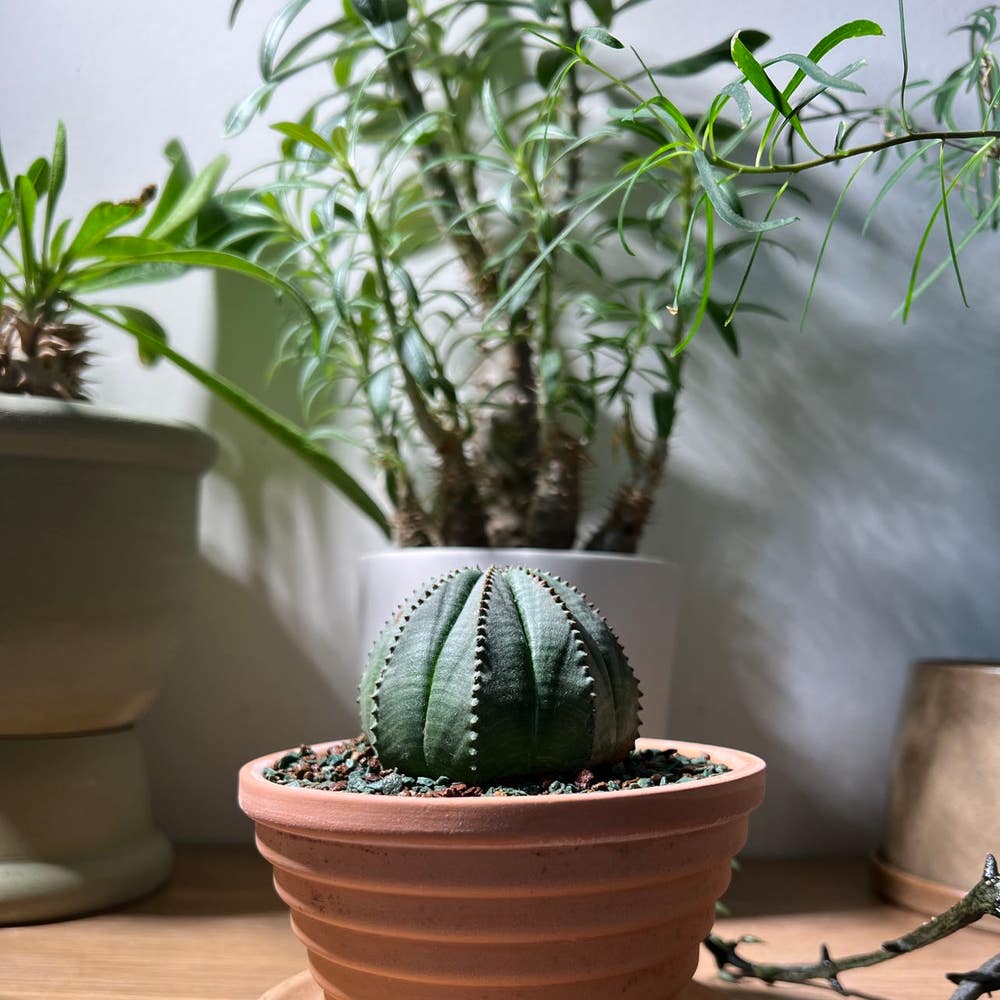
Container planting: Choose pots with drainage holes to prevent waterlogging. Use cactus-specific soil for the best results.
Spacing and depth considerations 📏
Recommended spacing: For in-ground planting, space your Euphorbia obesa 12-18 inches apart. This allows for proper air circulation and growth.
Container depth: Ensure your containers are at least 6-8 inches deep. This depth supports healthy root development and overall plant health.
With these planting techniques, your Euphorbia obesa will have the best chance to flourish. Next, let’s explore how to care for your plant through proper watering and fertilizing.
Watering and Fertilizing
💧 Watering Schedule and Techniques
Euphorbia obesa thrives with a consistent watering routine. During the growing season, aim to water every 2-3 weeks, but reduce frequency in winter when the plant is dormant.
To water effectively, soak the soil thoroughly, ensuring it reaches the root zone. After watering, allow the soil to dry out completely before the next session to prevent waterlogged roots.
🌱 Fertilization Needs and Recommended Products
Fertilizing your Euphorbia obesa is essential for robust growth. During the active growth months of spring and summer, apply fertilizer monthly to provide necessary nutrients.
Opt for a balanced cactus fertilizer or a diluted liquid fertilizer to support healthy development. These products are specially formulated to meet the unique needs of succulents.
⚠️ Signs of Overwatering and Underwatering
Monitoring your plant for signs of distress is crucial. Overwatering can manifest as yellowing leaves, mushy stems, and root rot, indicating that the plant is struggling with excess moisture.
On the flip side, underwatering leads to wilting, shriveling, and browning of the plant. Keeping an eye on these symptoms will help you adjust your care routine effectively.
As you nurture your Euphorbia obesa, remember that a little attention goes a long way. With proper watering and fertilizing, your plant will flourish and bring joy to your garden. Next, let’s explore pruning and maintenance to keep your Euphorbia in top shape.
Pruning and Maintenance
When and how to prune 🌱
Pruning Euphorbia obesa is best done in early spring, just before new growth begins. Use clean, sharp tools to remove any dead or damaged sections, promoting healthier growth.
Ongoing care routine for healthy growth 🧑🌾
Regular inspections are essential for maintaining your plant's health. Check for pests and signs of stress, adjusting your watering routine based on seasonal changes to keep your Euphorbia thriving.
Seasonal care considerations ❄️
During winter, reduce watering and protect your plant from frost to prevent damage. In summer, ensure adequate hydration, especially during heat waves, to keep your Euphorbia obesa happy and healthy.
With these pruning and maintenance tips, your Euphorbia obesa will flourish, setting the stage for the next section on common challenges and solutions.
Common Challenges and Solutions
🐛 Identifying and Managing Pests and Diseases
Euphorbia obesa can face several pest challenges, including mealybugs, aphids, and scale insects. To combat these pests, consider using insecticidal soap, neem oil, or simply removing them by hand.
Diseases like root rot and powdery mildew can also threaten your plant's health. Prevent these issues by ensuring proper watering techniques and maintaining good air circulation around your Euphorbia obesa.
🧐 Troubleshooting Growth Issues
If you notice slow growth in your Euphorbia obesa, it’s essential to check for adequate light, proper watering, and suitable soil conditions. Discoloration, such as yellowing leaves, may indicate nutrient deficiencies or overwatering, so assess your care routine accordingly.
🌱 Tips for Successful Propagation
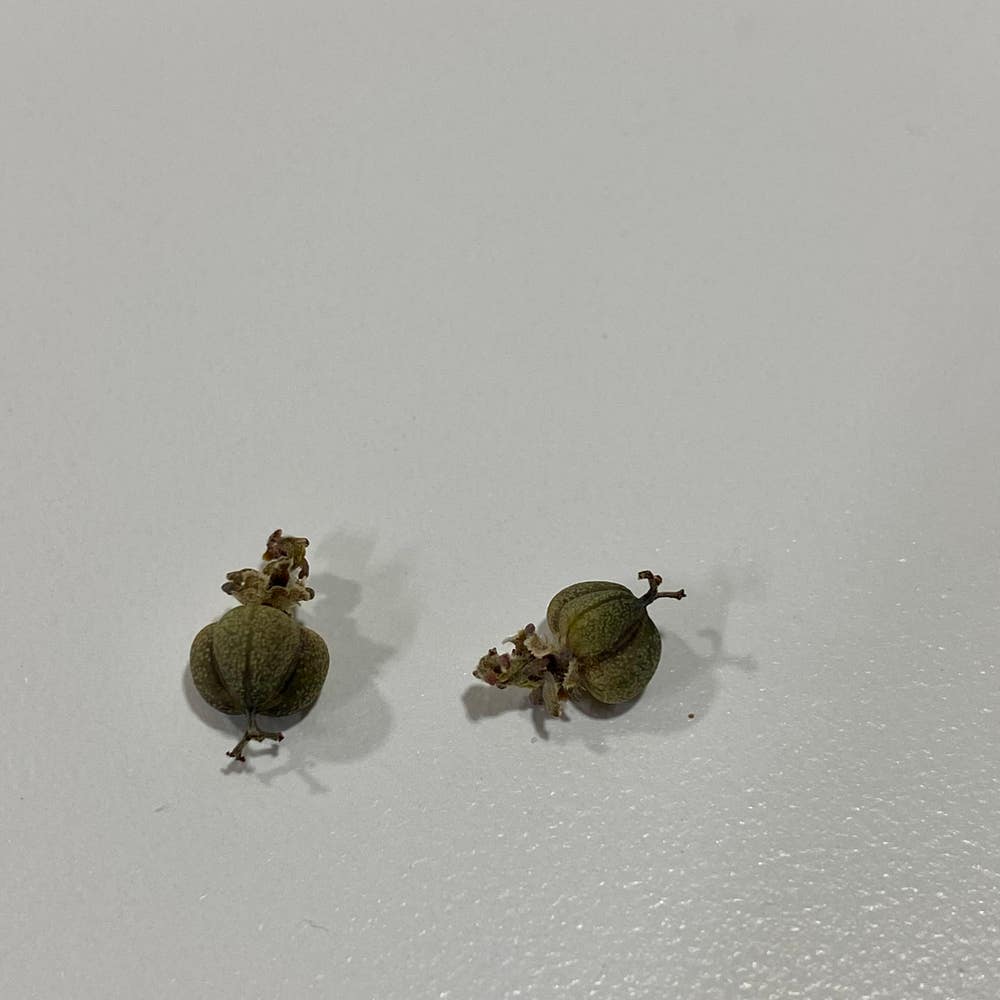
Propagation can be an exciting way to expand your Euphorbia collection. You can propagate through seeds or offsets, with spring or early summer being the best times to start.
When caring for new plants, ensure they receive bright light and minimal water until they establish themselves. This careful attention will set them on the path to thriving.
As you navigate these challenges, remember that every plant has its quirks. Embrace the learning process, and you’ll find joy in nurturing your Euphorbia obesa.
⚠️ Safety First
This content is for general information and may contain errors, omissions, or outdated details. It is not medical, veterinary advice, or an endorsement of therapeutic claims.
Always consult a qualified healthcare professional before using any plant as food, medicine, or supplement.
Never eat any plant (or feed one to pets) without confirming its identity with at least two trusted sources.
If you suspect poisoning, call Poison Control (800) 222-1222, the Pet Poison Helpline (800) 213-6680, or your local emergency service immediately.
Spotted an error? Please report it here.
Planting your Euphorbia obesa can be thriving 🌱 with Greg's tailored watering reminders and expert tips to help you create the perfect environment for growth!