9 Factors Affecting Euphorbia obesa Flowering 🌸
Euphorbia obesa
By the Greg Editorial Team
Jan 06, 2025•5 min read
This article was created with the help of AI so we can cover more plants for you. May contain errors. See one? Report it here.
Transform your Euphorbia obesa into a blooming beauty 🌼 by mastering essential care tips and troubleshooting common issues!
- 🌞 Adequate light exposure is essential for Euphorbia obesa to bloom effectively.
- 🌱 Nutrient deficiencies in nitrogen, phosphorus, and potassium hinder flowering; use balanced fertilizer.
- ⏳ Patience is key; Euphorbia obesa typically flowers after 3-4 years of growth.
Failure to Bloom
🌱 Potential Causes
Euphorbia obesa can be a bit finicky when it comes to blooming. Common culprits for its failure to flower include insufficient light exposure, nutrient deficiencies, and the plant's age.
If your plant isn't getting enough sunlight, it may not have the energy to produce flowers. Additionally, a lack of essential nutrients can hinder its blooming potential. Lastly, remember that these plants typically need to be around 3-4 years old before they start to flower.
🌼 Solutions to Encourage Blooming
To encourage your Euphorbia obesa to bloom, start by increasing its light exposure. Move it to a sunnier spot or consider using grow lights to provide the necessary brightness.
Next, adjust your fertilization practices. A balanced succulent fertilizer can help replenish any nutrient deficiencies. Lastly, ensure your plant is mature enough; if it's younger than 3 years, give it time to grow before expecting flowers.
By addressing these factors, you can create the ideal conditions for your Euphorbia obesa to thrive and bloom beautifully.
Premature Flower Drop
🕵️♂️ Identifying Causes of Bud Drop
Premature flower drop in Euphorbia obesa can be frustrating. Common culprits include stress factors like overwatering, sudden temperature changes, and pest infestations.
Overwatering is particularly detrimental. It can lead to root rot, which stresses the plant and causes it to drop its buds.
🛠️ Remedies to Prevent Premature Flower Loss
To combat premature flower loss, adjust your watering schedule. Allow the soil to dry out between waterings to promote healthy root development.
Additionally, monitor and maintain stable temperature and humidity levels. Sudden fluctuations can shock the plant, leading to bud drop.
By addressing these factors, you can help ensure your Euphorbia obesa thrives and produces beautiful blooms. Next, let’s explore the abnormal flower development that can also occur in these fascinating plants.
Abnormal Flower Development
🌼 Common Abnormalities in Flower Formation
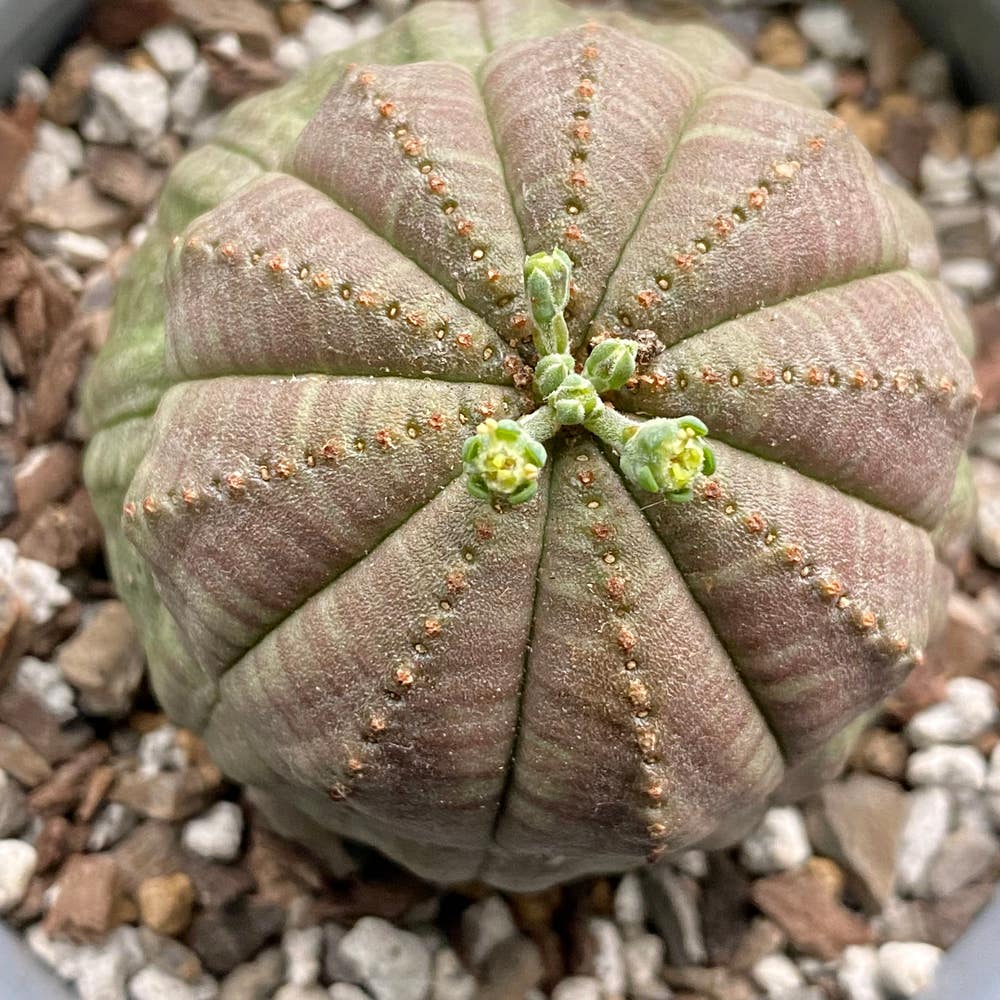
Euphorbia obesa can exhibit several abnormalities in its flowering process. Look out for symptoms like deformed flowers, a lack of vibrant color, or incomplete blooms, which can indicate underlying issues.
🔍 Factors Leading to Abnormal Development and Solutions
Several factors can contribute to these abnormalities. Nutrient imbalances, environmental stress, and pest infestations are common culprits.
Nutrient Imbalances
Ensure your plant receives the right nutrients. A deficiency in essential elements can lead to poor flower quality.
Environmental Stress
Environmental conditions play a crucial role in flower development. Fluctuations in temperature or humidity can stress the plant, affecting its blooms.
Pest Issues
Pests can wreak havoc on your Euphorbia obesa. Regularly inspect your plant for signs of infestation and treat any issues promptly.
🛠️ Solutions for Abnormal Flower Development
To promote healthy flowering, focus on maintaining a proper nutrient balance and stable environmental conditions.
Nutrient Management: Use a balanced fertilizer specifically designed for succulents. This will help ensure your plant gets the nutrients it needs.
Environmental Stability: Keep your Euphorbia in a consistent environment, avoiding sudden changes in temperature or humidity.
Pest Inspection: Regularly check for pests and take action as needed. Early detection can save your blooms.
By addressing these factors, you can help your Euphorbia obesa thrive and produce beautiful flowers. Next, let’s explore how light influences flowering problems.
Influence of Light on Flowering Problems
🌼 How Light Affects Bloom Cycle
Light is crucial for the flowering process of Euphorbia obesa. Adequate light exposure stimulates photosynthesis, which directly influences the plant's ability to produce flowers.
Without enough light, your Euphorbia may struggle to bloom, leading to disappointing results. This plant thrives in bright, indirect sunlight, making it essential to provide the right lighting conditions.
💡 Solutions for Light-Related Issues
If your Euphorbia isn't getting enough light, consider relocating it to a brighter spot. A south-facing window is ideal, as it offers ample sunlight throughout the day.
Alternatively, if natural light is limited, using grow lights can be a game-changer. These lights can mimic sunlight and provide the necessary energy for your plant to flourish.
By ensuring your Euphorbia obesa receives the right amount of light, you can significantly enhance its chances of blooming beautifully. This simple adjustment can lead to vibrant flowers and a healthier plant overall.
Nutritional Impact on Flowering Issues
🌱 Essential Nutrients for Healthy Flowering
Euphorbia obesa thrives on a balanced diet of essential nutrients, primarily nitrogen, phosphorus, and potassium (NPK). These nutrients play a crucial role in promoting healthy growth and vibrant blooms.
🛠️ Solutions for Nutrient Deficiencies
To ensure your plant receives adequate nutrition, consider using a balanced succulent fertilizer every 4-6 weeks during the growing season. This regular feeding schedule helps replenish essential nutrients and supports blooming.
Additionally, conducting soil tests can provide valuable insights into nutrient levels. By understanding the specific needs of your soil, you can adjust your fertilization practices accordingly, ensuring your Euphorbia obesa gets the nourishment it craves.
By addressing nutritional deficiencies, you can significantly enhance your plant's flowering potential. A well-fed Euphorbia obesa is not just a healthier plant; it's also more likely to produce stunning blooms that brighten your space.
As you nurture your plant's nutritional needs, keep an eye on other factors that may influence its flowering. Next, we’ll explore how light exposure can impact the blooming cycle of your Euphorbia obesa.
⚠️ Safety First
This content is for general information and may contain errors, omissions, or outdated details. It is not medical, veterinary advice, or an endorsement of therapeutic claims.
Always consult a qualified healthcare professional before using any plant as food, medicine, or supplement.
Never eat any plant (or feed one to pets) without confirming its identity with at least two trusted sources.
If you suspect poisoning, call Poison Control (800) 222-1222, the Pet Poison Helpline (800) 213-6680, or your local emergency service immediately.
Spotted an error? Please report it here.
Unlock stunning blooms for your Euphorbia obesa 🌼 by using Greg's tailored care reminders and nutrient tracking to ensure it thrives in the perfect environment!