Key Milestones in Euphorbia obesa Growth 🌵
Euphorbia obesa
By the Greg Editorial Team
Jan 06, 2025•6 min read
This article was created with the help of AI so we can cover more plants for you. May contain errors. See one? Report it here.
Nurture Euphorbia obesa from seed to stunning maturity 🌱 and enjoy a thriving garden for decades to come!
- 🌱 Euphorbia obesa germinates in 2-4 weeks with proper temperature and moisture.
- ☀️ Ideal growth thrives in full sun and well-draining soil with minimal watering.
- 🌼 Maturity takes 5-10 years, evolving care needs for long-term health and resilience.
Germination Stage
🌱 Duration of Germination
The germination period for Euphorbia obesa typically spans 2 to 4 weeks. Several factors can influence this timeline, including temperature, moisture, and light exposure.
🌡️ Conditions for Successful Germination
To achieve successful germination, maintain an ideal temperature range of 20°C to 25°C (68°F to 77°F).
Soil Requirements
Use a well-draining cactus mix or sandy soil to prevent water retention, which can lead to rot.
Moisture Levels
Keep the soil lightly moist but avoid overwatering. This balance is crucial for the seeds to thrive.
Light Exposure
Provide indirect sunlight to protect the seeds from scorching. Too much direct light can hinder their growth.
By ensuring these conditions are met, you set the stage for a healthy start to your Euphorbia obesa journey. Next, we’ll explore the characteristics of seedlings as they emerge from this critical stage.
Seedling Stage
🌱 Characteristics of Seedlings
Euphorbia obesa seedlings are truly a sight to behold. They start off as small, spherical shapes, reminiscent of their adult counterparts but on a much smaller scale.
Their vibrant bright green color is striking, and as they mature, they transition to a deeper green, showcasing their growth journey.
⏳ Duration of the Seedling Stage
The seedling stage typically lasts between 6 months to 1 year. During this time, growth is slow but steady, as seedlings focus on developing their roots and establishing themselves in their environment.
This foundational period is crucial for their future growth, setting the stage for the next phases of their life cycle.
As we move forward, understanding the vegetative growth stage will reveal how these seedlings evolve into more robust plants.
Vegetative Growth Stage
🌱 Description of Vegetative Growth
During the vegetative growth stage, Euphorbia obesa undergoes significant changes. The formation of ribs becomes more pronounced, giving the plant a distinctive appearance as it increases in size.
Leaf development is minimal during this phase. Instead, the plant primarily relies on its stem for photosynthesis, showcasing its unique adaptation to arid environments.
⏳ Duration and Conditions for Optimal Growth
This stage typically lasts between 2 to 5 years until the plant reaches maturity. To thrive, Euphorbia obesa requires full sun exposure, well-draining soil, and minimal watering.
Maintaining the right environmental factors is crucial. Temperatures should ideally remain between 20°C to 30°C (68°F to 86°F) to support healthy growth.
As you nurture your Euphorbia obesa through this stage, remember that patience is key. The slow but steady growth will reward you with a robust and beautiful plant in time.
Next, we will explore the flowering stage, where your Euphorbia obesa will showcase its stunning blooms.
Flowering Stage
Description of Flowering 🌼
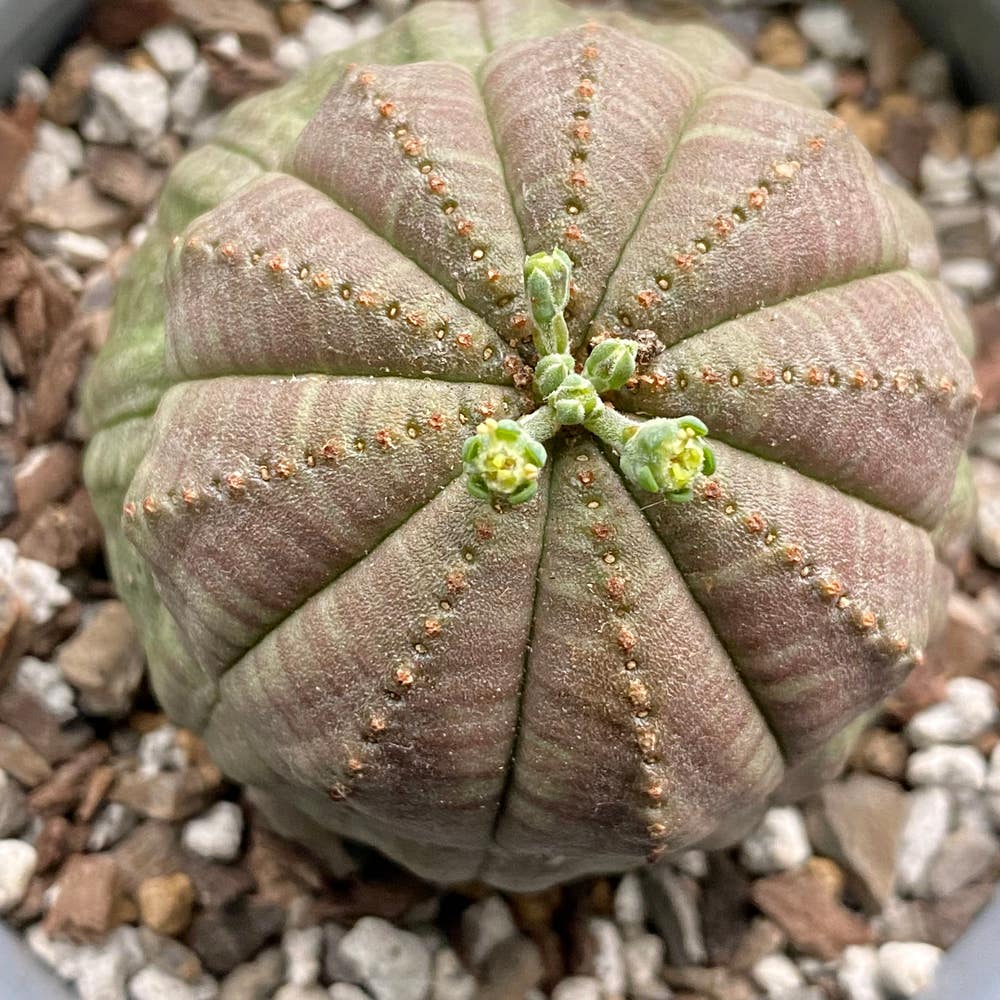
Euphorbia obesa showcases its beauty during the flowering stage with small, yellow-green flowers that bloom at the apex of the plant. These flowers are not just a visual treat; they primarily self-pollinate, although they can also attract pollinators, adding a touch of life to your garden.
Duration and Conditions for Flowering ⏳
Typically, the flowering period occurs in late spring to early summer, marking a vibrant time in the plant's life cycle. For successful flowering, ensure your Euphorbia obesa receives adequate sunlight, follows a proper watering schedule, and has access to essential nutrients.
This stage is crucial for the plant's reproductive success, so providing the right conditions can lead to a flourishing display. As you nurture your plant through this phase, you'll witness the beauty of nature's cycle firsthand, making the effort well worth it.
With the flowering stage complete, the next exciting phase is seed production, where the journey continues.
Seed Production Stage
🌱 Overview of Seed Production
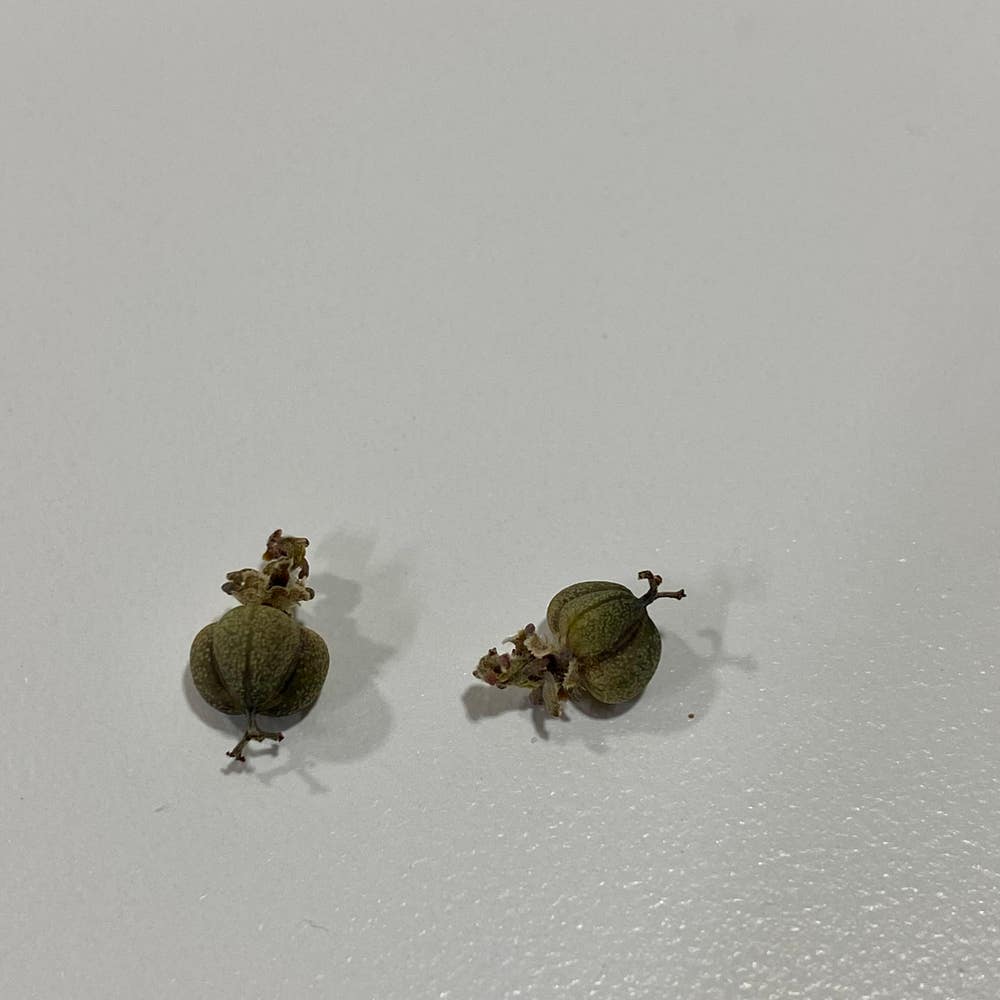
Seed production in Euphorbia obesa begins after successful pollination. Once pollination occurs, seeds develop within the flower structure, marking a crucial step in the plant's life cycle.
Seed dispersal is an intriguing process. The seeds can be carried away by wind or water, ensuring they find new locations to germinate and grow.
⏳ Duration and Conditions for Seed Production
The duration from flowering to seed maturity typically spans 1 to 2 months. This timeframe is essential for the seeds to develop fully and prepare for dispersal.
For optimal seed production, conditions should mirror those of the flowering stage. Stable environmental factors, such as consistent temperature and moisture levels, are vital for successful seed maturation.
Understanding these aspects of seed production not only highlights the resilience of Euphorbia obesa but also sets the stage for the next phase of its life cycle: growth and maturation.
Growth Rate and Maturation
How Long Until Fully Grown? 🌱
Euphorbia obesa typically takes 5 to 10 years to reach maturity under optimal conditions. This timeframe can vary based on care and environmental factors.
Factors Affecting Growth Rate ⚡️
Several elements influence the growth rate of Euphorbia obesa:
- Environmental Conditions: Temperature, light, and soil quality play crucial roles.
- Watering Practices: Overwatering can hinder growth, while underwatering may stress the plant.
Average Lifespan ⏳
With proper care, Euphorbia obesa can live for several decades, often reaching 30 years or more. This longevity makes it a rewarding addition to any collection.
Understanding these growth dynamics helps ensure your Euphorbia obesa thrives. Next, let’s explore the notable changes throughout its life cycle.
Notable Changes Throughout the Life Cycle
🌱 Physical Changes During Growth Stages
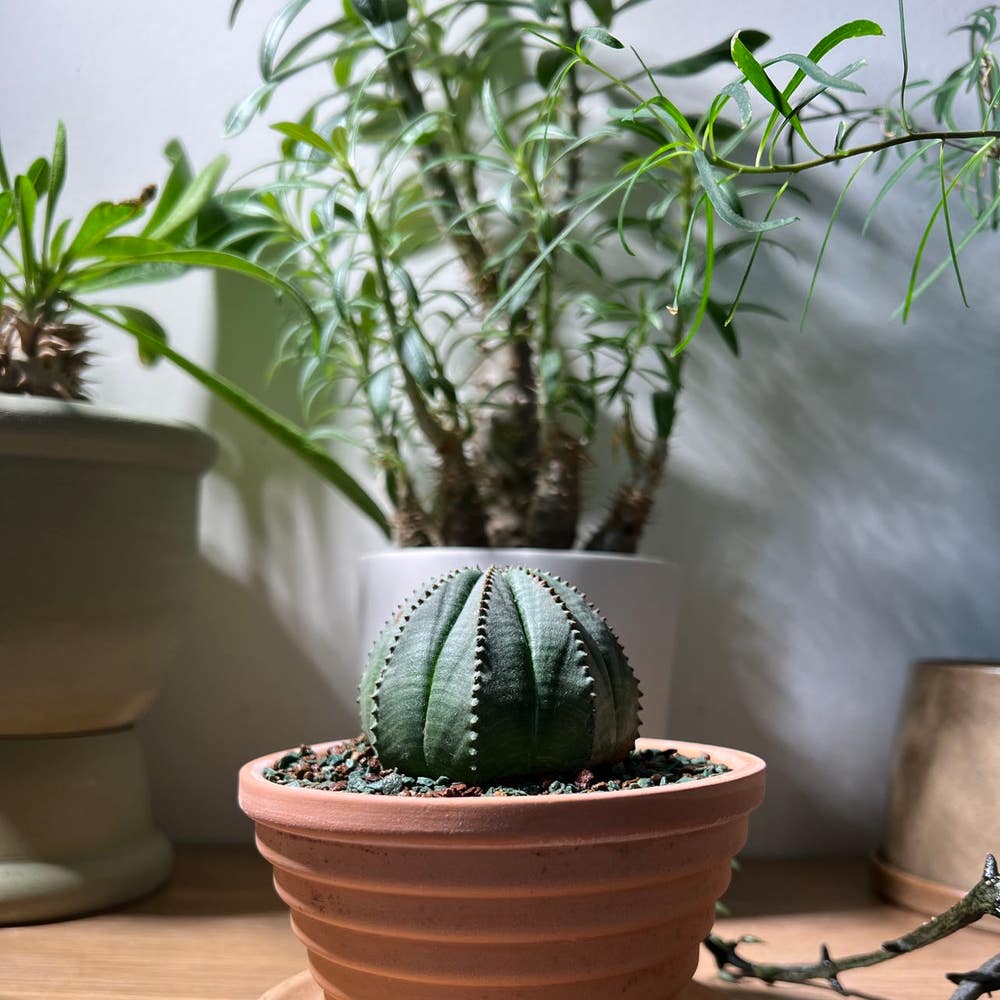
As Euphorbia obesa matures, its initial spherical shape becomes more pronounced, showcasing distinct ribbing. This transformation is visually striking, with the plant's color shifting from a vibrant bright green in seedlings to a deeper, richer green in mature specimens.
🔄 Changes in Care Requirements as the Plant Matures
With maturity, the care requirements for Euphorbia obesa evolve significantly. Watering frequency decreases, as established plants thrive on less moisture, making them easier to maintain.
Nutrient needs also shift; mature plants often benefit from a balanced fertilizer during the growing season to support their ongoing health and growth.
🌍 Environmental Adaptations Over Time
Euphorbia obesa showcases remarkable adaptations to its environment. It develops a thicker cuticle, which helps reduce water loss, a crucial feature for survival in arid conditions.
Additionally, the plant can withstand drought periods by entering a dormant state during extreme heat, ensuring its longevity and resilience in challenging climates.
These adaptations not only highlight the plant's survival skills but also reflect the beauty of nature's ingenuity.
⚠️ Safety First
This content is for general information and may contain errors, omissions, or outdated details. It is not medical, veterinary advice, or an endorsement of therapeutic claims.
Always consult a qualified healthcare professional before using any plant as food, medicine, or supplement.
Never eat any plant (or feed one to pets) without confirming its identity with at least two trusted sources.
If you suspect poisoning, call Poison Control (800) 222-1222, the Pet Poison Helpline (800) 213-6680, or your local emergency service immediately.
Spotted an error? Please report it here.
Cultivating your Euphorbia obesa to thrive for decades 🌿 is achievable with Greg's personalized care reminders and tailored watering plans that adapt to its growth stages!