Ultimate Guide to What's Eating Your Sweet Alyssum 🐞
Lobularia maritima
By the Greg Editorial Team
Oct 02, 2024•6 min read
This article was created with the help of AI so we can cover more plants for you. May contain errors. See one? Report it here.
- 🌼 Sweet Alyssum attracts herbivores like deer, rabbits, and squirrels due to its fragrance.
- 🐾 Signs of herbivore damage include hoof prints, droppings, and chewed stems.
- 🚫 Deterrents like netting and repellents can protect Sweet Alyssum from hungry visitors.
Most Appealing Parts to Animals
Description of Appearance and Characteristics 🌸
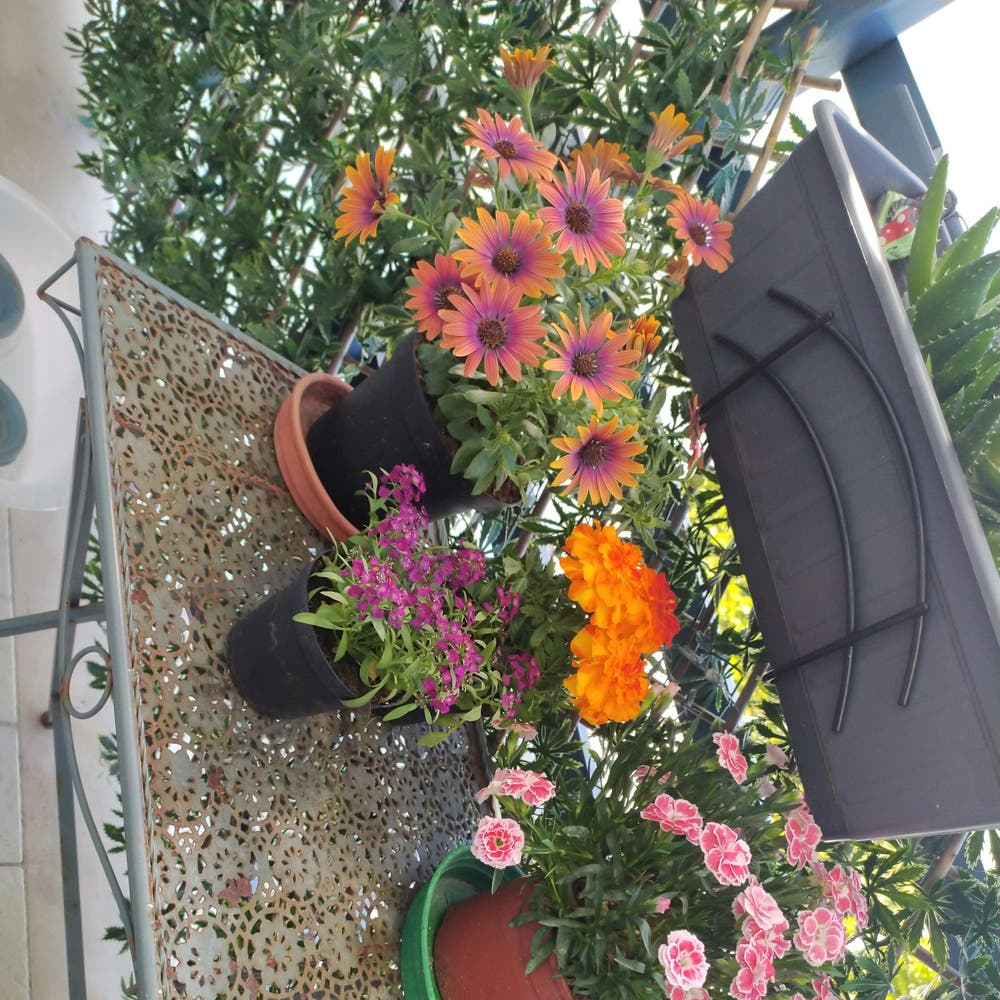
Sweet Alyssum is a low-growing, fragrant flowering plant that captivates both gardeners and wildlife alike. Its small, dense clusters of flowers bloom in shades of white, purple, or yellow, creating a vibrant display that attracts various herbivores.
This plant typically spreads as ground cover, reaching heights of just 4 to 8 inches. It thrives in well-drained soil and is adaptable to different light conditions, making it a versatile choice for many gardens.
The combination of its appealing fragrance and colorful blooms makes Sweet Alyssum particularly enticing to animals. This allure can lead to unwanted visits from herbivores looking for a tasty snack.
In summary, the visual and aromatic characteristics of Sweet Alyssum not only enhance garden aesthetics but also draw in a variety of animals. Understanding these traits is crucial for protecting your plants from potential damage.
Next, we’ll explore the common herbivores that affect Sweet Alyssum and how to identify their presence.
Common Herbivores Affecting Sweet Alyssum
🦌 Deer
Signs of Presence and Damage Caused
Deer can be a significant threat to your Sweet Alyssum. Look for hoof prints in muddy areas and notice if leaves and flowers have been stripped from the plants.
Beneficial vs. Harmful Interactions
Interactions with deer are generally harmful. They can decimate Sweet Alyssum populations, leaving your garden looking sparse.
Deterrent Methods
To keep deer at bay, consider using commercial deer repellents. Organic methods like erecting 8-foot tall fences or planting deer-resistant species nearby can also be effective.
🐇 Rabbits
Signs of Presence and Damage Caused
Rabbits leave behind small, round droppings near your plants. You may also notice cleanly cut stems and leaves, indicating their presence.
Beneficial vs. Harmful Interactions
Rabbits are generally harmful to Sweet Alyssum. Their feeding habits can significantly reduce the plant's vigor.
Deterrent Methods
For rabbits, chemical repellents can be useful. Alternatively, netting or fencing, along with planting rabbit-resistant plants, offers organic solutions.
🐿️ Squirrels
Signs of Presence and Damage Caused
Squirrels can disrupt your garden by chewing on stems and flowers. They may also dig around the base of your plants, causing further damage.
Beneficial vs. Harmful Interactions
Interactions with squirrels are typically harmful. Their activities can hinder plant growth and overall health.
Deterrent Methods
Consider using squirrel repellents as a chemical deterrent. Organic methods like motion-activated sprinklers or planting deterrent species can also help.
🐦 Birds
Signs of Presence and Damage Caused
Birds may peck at flowers and foliage, leaving noticeable damage. You might also find nests nearby, indicating their interest in your garden.
Beneficial vs. Harmful Interactions
Bird interactions can be mixed. While some birds help control pests, others can cause damage to your Sweet Alyssum.
Deterrent Methods
For birds, chemical repellents are available. You can also use scare tactics like reflective tape or decoys to deter them organically.
🐭 Rodents (Mice, Voles, etc.)
Signs of Presence and Damage Cabeneficial insects leave tunnels or burrows near your plants. Look for gnawed stems and roots as signs of their activity.
Beneficial vs. Harmful Interactions
Rodents are generally harmful to Sweet Alyssum. Their presence can lead to signifchemical interventions### Deterrent Methealthier ecosystemrents like rodent poisons should be used with caution. Organic methods include traps and encouraging natural predators like cats and owls.
🦡 Groundhogs/Woodchucks
Signs of Presence and Damage Caused
Groundhogs create large burrows near garden areas. They also browse on leaves and stems, which canSweet Alyssumal.
Beneficial vs. Harmful Interactions
Interactions with groundhogs are generally harmful. They can devastate Sweet Alyssum patches if left unchecked.
Deterrent Methods
Consider using commercial groundhog repellents as a chemical deterrent. Organic solutions include fencing Companion planting feet high with buried edges and trapping.
Understanding these common herbivores and their impact on Sweet Alyssum is crucial for maintaining a thriving garden. With the right deterrent methods, you can protect your plants and enjoy their beauty year-round.
Beneficial Animals and Ecosystem Impact
🐝 Description of Beneficial Insects Attracted to Sweet Alyssum
Sweet Alyssum is a magnet for beneficial insects. Pollinators like bees, butterflies, and hoverflies flock to its fragrant blooms, ensuring your garden thrives.
Additionally, predatory insects such as ladybugs and lacewings play a crucial role in Sweet Alyssum They feast on aphids and other harmful pests, keeping your plants healthy and vibrant.
🌼 Positive Impacts on the Garden Ecosystem
The presence of these beneficial insects leads to enhanced pollination. This results in increased fruit and seed production, making your garden not just beautiful but also productive.
Moreover, the natural pest control provided by these insecprotection the need for chemical interventions. This creates a healthier ecosystem, benefiting boSweet Alyssum gardenhe environment.
Incorporating Sweet Alyssum into your garden is a win-win. It attracts helpful creatures while promoting a balanced ecosystem, ensuring your garden flourishes year after year.
As we explore Sweet Alyssums look at general strategnon-toxicrotecting your Sweet Alyssum from potential threats.
General Strategigastrointestinaln
🛡️ Preventive Measures for Protecting Sweet Alyssum
To keep your Sweet Alyssum thriving, consider planting it in less accessible areas. This simple step can deter many herbivores from making a meal gardenersur plants.
Companion planting is another effective strategy. By pairing Sweet Alyssum with plants that herbivores dislike, you can create a natural barrier against unwanted visitors.
Regular moniecosystem crucial. Keep an eye out for signs of animal activity, such as droppings or chewed leaves, to catch any issues early.
⚠️ Reactive Solutions for Managing Animal Interactions
If you notice damage, act quickly. Immediate removal of affected plants can prevent further attraction of herbivores to your garden.
Applying deterrents as soon as you spot signs of herbivore presence is essential. This proactive approach can help safeguard your Sweet Alyssum from further harm.
🌱 Seasonal Variations in Animal Attraction to Sweet Alyssum
Be aware that herbivore activity tends to spike during spring and summer. These seasons bring lush growth, making your Sweet Alyssum particularly appealing.
Monitoring changes in animal behavior with the seasons can provide valuable insights. Understanding these patterns helps you adapt your protection strategies effectively.
With these strategies in place, you can enjoy a flourishing Sweet Alyssum garden while minimizing the impact of herbivores. Next, let’s explore the toxicity and safety of Sweet Alyssum for animals.
Toxicity and Safety
Discussion of Any Toxic Effects of Sweet Alyssum on Animals 🐾
Sweet Alyssum is generally considered non-toxic to animals. However, consuming it in excessive amounts may lead to mild gastrointestinal upset.
Understanding the implications for herbivores is essential. While most animals can nibble on this lovely plant without harm, moderation is key to avoiding any discomfort.
This knowledge can help gardeners make informed decisions about their plant choices. By being aware of potential risks, you can better protect your Sweet Alyssum and the critters that might munch on it.
As we explore the broader ecosystem, let's consider how to safeguard your plants from herbivores while promoting beneficial interactions.
⚠️ Safety First
This content is for general information and may contain errors, omissions, or outdated details. It is not medical, veterinary advice, or an endorsement of therapeutic claims.
Always consult a qualified healthcare professional before using any plant as food, medicine, or supplement.
Never eat any plant (or feed one to pets) without confirming its identity with at least two trusted sources.
If you suspect poisoning, call Poison Control (800) 222-1222, the Pet Poison Helpline (800) 213-6680, or your local emergency service immediately.
Spotted an error? Please report it here.
Protect your Sweet Alyssum from pesky herbivores and watch it thrive 🌼 with Greg's tailored care tips and reminders that keep your garden flourishing!