💧 How Do I Know When My Sweet Alyssum Needs Water?
Lobularia maritima
By the Greg Editorial Team
Jun 08, 2024•7 min read
This article was created with the help of AI so we can cover more plants for you. May contain errors. See one? Report it here.
- Wilting leaves and dry soil signal sweet alyssum dehydration.
- Water about an inch weekly, more in heat or dry spells.
- For containers, water frequently and ensure excellent drainage.
Recognizing When Sweet Alyssum Needs Water
Sweet alyssum's thirst signals are subtle but critical. Look for leaves that droop or lose their vibrant green hue, indicating a plea for hydration. In severe cases, you might notice the flowers themselves looking less perky, a surefire sign that it's time to water.
🚰 Key Signs of Dehydration
- Wilting leaves: This is your first red flag. If the leaves seem limp, it's time to act.
- Dull-colored foliage: A lack of water can cause the leaves to lose their luster.
- Dry soil: Stick a finger into the soil; if the top two inches feel like a desert, your sweet alyssum is parched.
🕵️ Quick Checks
- Visual assessment: Don't wait for the plant to look sad; make regular visual checks part of your routine.
- Soil test: The finger test doesn't lie. If it's dry, it's time to apply.
💦 Watering Response
After watering, watch for a speedy recovery. Sweet alyssum is resilient and should bounce back quickly with adequate moisture. If not, consider if other factors like drainage or disease might be at play.
Remember, overwatering is just as dangerous as underwatering. If the soil feels soggy or you see standing water, you've gone too far. Adjust accordingly, and always aim for that sweet spot where the soil is moist but not waterlogged.

Optimal Watering Techniques for Sweet Alyssum
Sweet alyssum thrives with consistent moisture. Aim for about an inch of water weekly, but crank it up a notch during those scorching summer days or when you're hit with a dry spell.
💧 Frequency and Amount
Check the soil; if it's dry two inches down, it's time to water. Don't just sprinkle on the surface; ensure water reaches the roots where it counts. For potted pals, water until it seeps out of the drainage holes.
💦 Watering Best Practices
Use room temperature water. Cold water can shock the roots, and nobody wants that. Water thoroughly but slowly, allowing the soil to absorb the moisture without overwhelming your plant.
🌊 Monitoring Soil Moisture
Sweet alyssum isn't a fan of soggy feet. Make sure your soil drains like a champ. If it's holding a waterlogged grudge, consider amending it with some gritty material to improve drainage.
🌦 Adjusting Watering to Weather
When the heat cranks up, so should your watering game. However, if humidity is also throwing a party, ease up on the water to avoid fungal fiestas like downy mildew.
🌱 Container Considerations
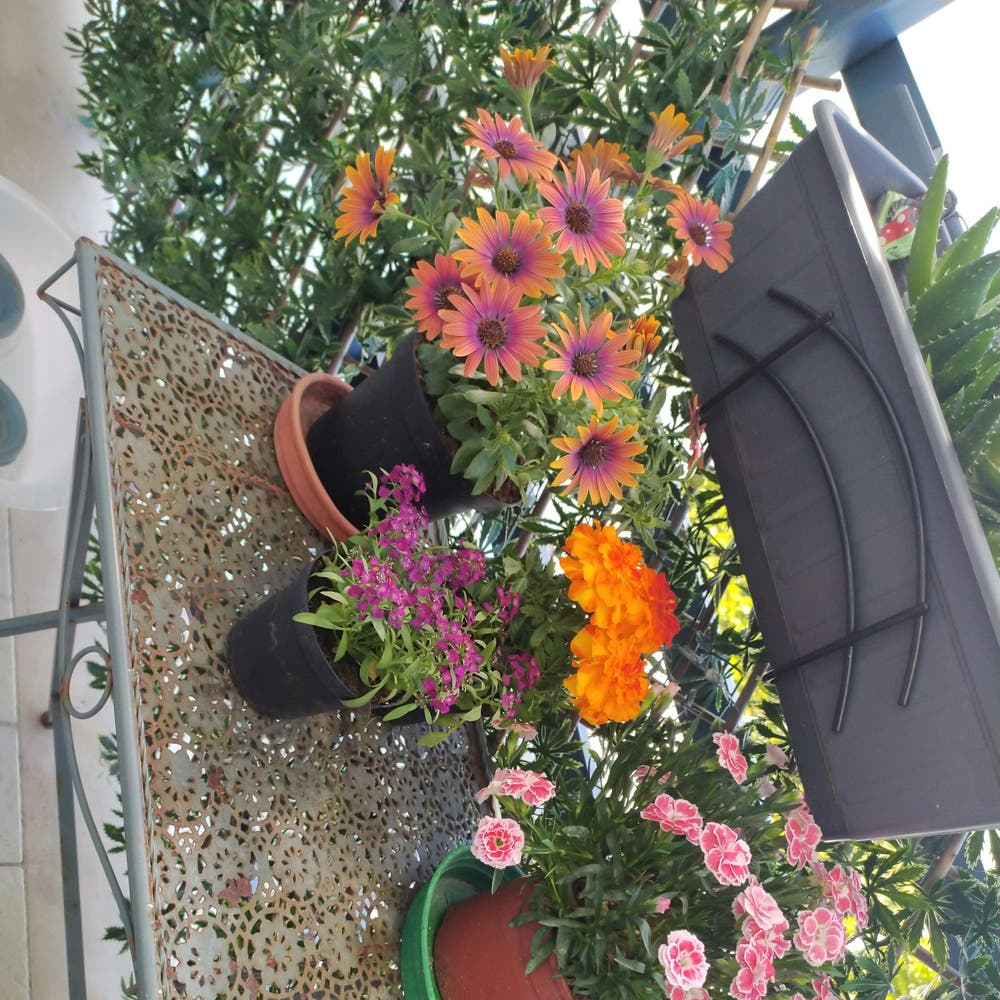
Got your sweet alyssum in a container? They're more prone to drying out, so keep a keen eye on them. Use a quality potting mix and ensure those pots have drainage holes to avoid waterlogging.
Remember, overwatering is just as villainous as underwatering. Keep your sweet alyssum happy with a drink when it's thirsty, not a flood.

Seasonal Watering Adjustments for Sweet Alyssum
Sweet Alyssum's thirst varies with the calendar. Here's how to keep it happily hydrated year-round.
🌸 Spring Awakening
As winter's chill fades, your Sweet Alyssum will emerge from its low-water slumber. Increase watering gradually as the days lengthen and temperatures rise. This is the time for growth and, with the right moisture, you'll see a surge in blooms.
☀️ Summer Sizzle
Heat intensifies, and so does your plant's need for water. During peak summer, aim for consistent moisture, especially if your Alyssum is soaking up full sun. But don't drown it – well-draining soil is your ally against root rot.
🍂 Autumn Adjustments
When fall brings cooler temps, your Alyssum's water needs dial back. Reduce frequency but ensure the soil doesn't go bone dry. It's a balancing act; keep the soil moist but not soggy as your plant preps for dormancy.
❄️ Winter Watch
Sweet Alyssum can handle a chill, but overwatering in cold weather is a no-go. Cut back on watering, letting the soil dry out more between sessions. If you're overwintering indoors, be vigilant – indoor heating can dry plants out faster than you'd think.
Remember, these are guidelines. Your plant's actual water needs can vary based on local weather patterns and soil conditions. Keep an eye on the soil and adjust as needed, because Sweet Alyssum won't send you a memo when it's thirsty.

Watering Sweet Alyssum in Containers Versus Gardens
Sweet alyssum's watering needs vary depending on its home—container or garden.
🌿 Containers: The Thirsty Confines
Containers demand vigilance. Check daily, as they dry out faster than garden soil. Water until it seeps from the bottom, confirming complete saturation. Remember, overwatering symptoms mimic underwatering, so ensure excellent drainage to prevent root rot.
🌱 Gardens: The Grounded Approach
In-ground sweet alyssum is less needy, requiring roughly 1 inch of water weekly. Yet, in stony or quick-drying areas, be ready to provide extra. These plants benefit from their own living mulch, which conserves moisture and reduces watering frequency.
⚖️ The Balancing Act
Whether in a pot or in the earth, sweet alyssum prospers with moist, well-draining soil. Avoid waterlogged conditions; they invite diseases like downy mildew and stem rot. In containers, leave a two-inch gap between the soil line and the rim to prevent spill-over.
🌦️ Seasonal Shifts
Adjust for humidity and rainfall. Containers under eaves or in sheltered spots need watering regardless of rain. In contrast, garden plants may thrive with natural precipitation alone.
❄️ The Overwintering Factor
Come winter, container-grown sweet alyssum may need to move indoors. In the garden, they self-seed, ensuring a resurgence in spring without additional effort.
In essence, container plants are high-maintenance companions, while garden-grown alyssum is the low-key friend who just needs a check-in now and then.
Preventing Overwatering and Underwatering in Sweet Alyssum
🕵️ Early Detection is Key
Monitor your sweet alyssum closely; it's like keeping an eye on a sneaky cat that's always up to something. Drooping branches and a withered look to the leaves are your first clues that something's amiss. Green leaves? You've got a shot at redemption. Brown and mushy? You might be hosting a funeral soon.
💧 The Watering Balancing Act
Don't just throw water at the problem; that's like trying to fix a leaky faucet with duct tape. Overwatering is the silent killer, leading to root rot faster than you can say "soggy". Ensure excellent drainage and give your plants the equivalent of a refreshing sip, not a dunk in the pool.
🌊 The Right Watering Technique
When it comes to watering, think of it as a zen garden practice. Slow and steady wins the race. Use room temperature water to avoid shocking the roots—cold water is as welcome as a snowstorm in July.
🌱 Container Versus Garden Watering
If your sweet alyssum is living the high life in a container, check the soil daily. It's like checking your phone, but for plant survival. Dry soil two inches down? Time to water. In-ground plants are a bit more forgiving, but they still need that weekly inch of water, rain or shine.
🛠️ Tech to the Rescue
Consider a self-watering device if you're the forgetful type or just too busy. These nifty gadgets use capillary action to deliver water on demand, like a mini-bar for plants. No more overwatering, no more underwatering—just right.
🚑 When Trouble Strikes
If overwatering has already happened, don't panic. Remove the plant, perform some delicate surgery to remove the wet soil, and give those roots a gentle bath. It's like an intervention for your plant's water addiction. Then, repot with fresh, dry soil and promise to do better next time.
⚠️ Safety First
This content is for general information and may contain errors, omissions, or outdated details. It is not medical, veterinary advice, or an endorsement of therapeutic claims.
Always consult a qualified healthcare professional before using any plant as food, medicine, or supplement.
Never eat any plant (or feed one to pets) without confirming its identity with at least two trusted sources.
If you suspect poisoning, call Poison Control (800) 222-1222, the Pet Poison Helpline (800) 213-6680, or your local emergency service immediately.
Spotted an error? Please report it here.
Ensure your sweet alyssum stays vibrantly healthy 🌱 with Greg's tailored watering reminders, helping you adjust to the plant's needs without the guesswork.