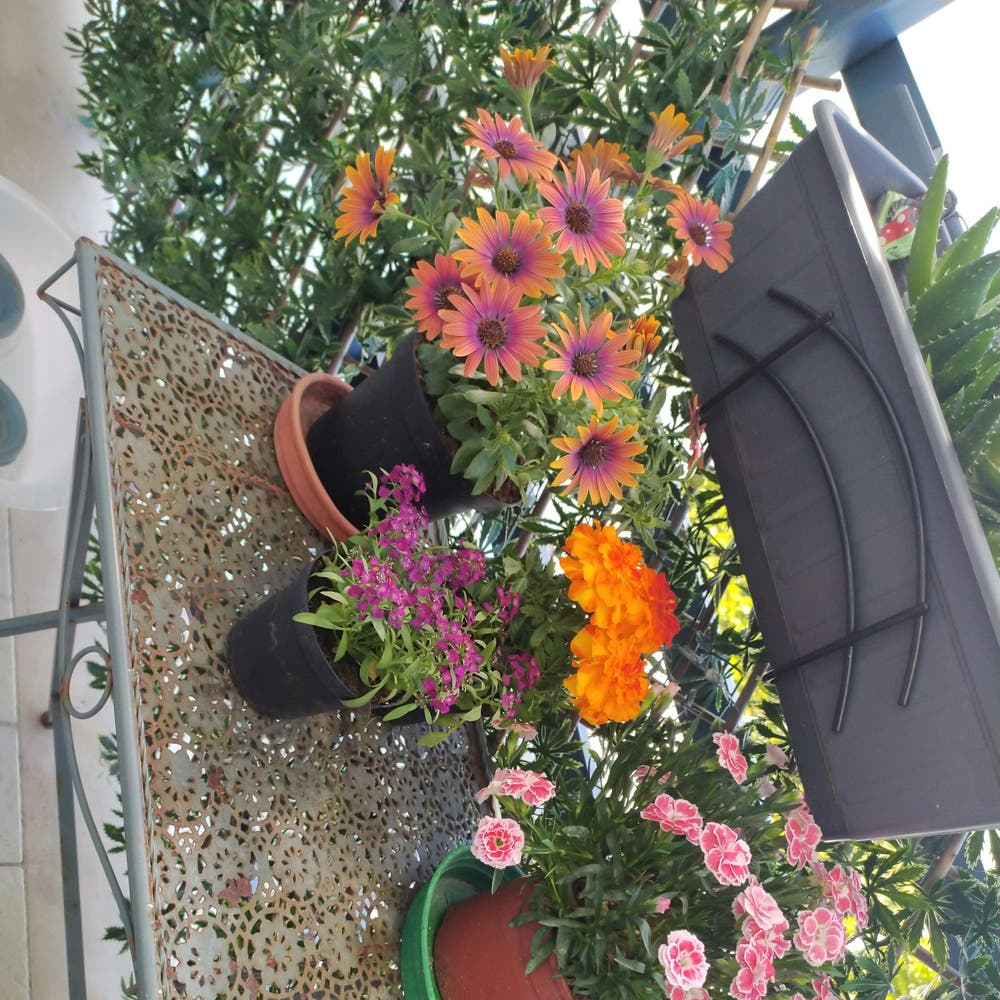
3 Facts About Sweet Alyssum Pollination 🐝
Lobularia maritima
By the Greg Editorial Team
Oct 02, 2024•5 min read
This article was created with the help of AI so we can cover more plants for you. May contain errors. See one? Report it here.
- 🌼 Sweet Alyssum is mainly self-pollinating, thriving without external pollinators.
- 🐝 Bees and butterflies enhance pollination, boosting plant strength and diversity.
- 🌱 Creating a pollinator-friendly garden supports Sweet Alyssum and local ecosystems.
Self-Pollination vs. Cross-Pollination
Self-Pollination 🌱
Sweet Alyssum is primarily self-pollinating, which means it can reproduce without relying on external pollinators. This trait is particularly beneficial in environments where pollinator activity is low.
Self-pollination ensures seed production even when pollinators are scarce. It also helps maintain genetic consistency, allowing the plant to thrive in its specific habitat.
Cross-Pollination 🌼
While self-pollination is the norm for Sweet Alyssum, cross-pollination plays a vital role in enhancing genetic diversity. This diversity can lead to stronger plants that are better equipped to adapt to changing conditions.
Understanding both self-pollination and cross-pollination is crucial for optimal plant health and reproduction. By appreciating these processes, gardeners can make informed decisions to support their Sweet Alyssum plants effectively.
Flower Structure
Description of Flower Anatomy 🌸
Sweet Alyssum features charming flowers that are small and typically come in shades of white, yellow, or purple. These blooms are arranged in dense clusters, creating a visually appealing display.
The green sepals act as protective leaf-like structures for the flower bud. Meanwhile, the stamens serve as the male reproductive parts, diligently producing pollen, while the pistils are the female components that receive this vital pollen.
How Flower Structure Facilitates Pollination 🐝
The arrangement of petals, combined with their delightful fragrance, plays a crucial role in attracting various pollinator species. This strategic design not only draws in pollinators but also ensures that the stamens and pistils are in close proximity, enhancing the chances of self-pollination.
Understanding the flower structure of Sweet Alyssum is essential for appreciating its role in the ecosystem. This knowledge sets the stage for exploring the fascinating world of natural pollination and the vital creatures involved.
Natural Pollination
🐝 Primary Pollinators
Sweet Alyssum thrives thanks to its vibrant ecosystem of pollinators.
Bees are the stars of the show, drawn in by the plant's sweet fragrance and bright colors, making them essential for effective pollen transfer.
Butterflies flutter in for nectar, inadvertently aiding in the pollination process as they move from flower to flower.
Moths, active during the night, also play a role, ensuring that pollination continues even when the sun goes down.
Occasionally, hummingbirds stop by, adding an extra layer of cross-pollination, which can enhance genetic diversity.
🌬️ Pollen Transfer Mechanisms
Understanding how pollen moves is crucial for appreciating Sweet Alyssum's reproductive success.
Wind plays a minor role in pollen dispersal, but it’s not the primary method.
Instead, insect activity is the key player. Direct contact with flowers allows insects to transfer pollen efficiently, ensuring that Sweet Alyssum can thrive and reproduce.
This intricate dance of pollination highlights the importance of maintaining a healthy environment for these vital creatures.
As we explore the next section, we'll delve into the fascinating world of hand pollination and how you can get involved in this process.
Hand Pollination
Step-by-Step Instructions for Hand Pollination 🌼
Hand pollination can be a rewarding way to ensure your Sweet Alyssum thrives. Here’s how to do it effectively:
Identify male and female flower parts:
- Male: Look for stamens covered in pollen.
- Female: Locate the pistil at the center of the flower.
Collecting pollen:
- Gently tap or brush the stamens with a small brush or cotton swab.
Transferring pollen:
- Carefully apply the collected pollen to the stigma of the female flower.
Timing:
- Perform this during peak flowering periods for maximum effectiveness.
Identifying Male and Female Flower Parts 🔍
Recognizing the male and female parts of Sweet Alyssum is crucial for successful hand pollination. The stamens are typically more prominent, while the pistil is nestled at the flower's center.
Timing also plays a vital role. Pollinating at the right moment in the flowering cycle can significantly enhance your success rate.
With these steps, you can actively contribute to the pollination process, ensuring your Sweet Alyssum flourishes beautifully. Next, let’s explore how to create a pollinator-friendly environment to support these essential creatures.
Supporting Pollinators
🌼 Creating a Pollinator-Friendly Environment
To support pollinators, start by planting a variety of flowering plants. This diversity attracts different species, ensuring a thriving ecosystem.
Additionally, providing water sources and shelter is crucial. Simple features like birdbaths or small ponds can make a big difference for thirsty pollinators.
🌿 Companion Plants to Attract Pollinators
Choosing the right companion plants can significantly enhance your garden's pollinator appeal. Here are some top suggestions:
- Marigolds: These vibrant flowers attract beneficial insects, helping to keep pests at bay.
- Lavender: Not only does it smell fantastic, but it also provides nectar for bees and butterflies.
- Borage: Known for its ability to attract bees, borage can boost your overall pollination success.
By incorporating these plants, you create a welcoming environment for pollinators, enhancing both your garden's beauty and its productivity.
As you nurture these relationships, you’ll find that a healthy pollinator population leads to more vibrant blooms and bountiful harvests. Next, let’s explore the challenges pollinators face and how we can help overcome them.
Pollination Challenges
Common Obstacles to Successful Pollination 🌧️
Pollination can be tricky due to various environmental factors. Temperature fluctuations and humidity levels can significantly impact the success of pollination.
Additionally, a lack of pollinators poses a serious challenge. Habitat loss and pesticide use have led to declining pollinator populations, making it harder for plants like Sweet Alyssum to reproduce effectively.
Solutions for Overcoming Pollination Challenges 🌼
Fortunately, there are several strategies to enhance pollination. Planting native species can attract local pollinators, creating a more inviting environment for them.
Implementing organic gardening practices is also crucial. By minimizing pesticide use, you can help protect the delicate balance of your garden ecosystem.
Lastly, consider creating microhabitats. These small, supportive environments can provide shelter and resources for pollinators, boosting their populations and improving pollination success.
By addressing these challenges, you can foster a thriving garden ecosystem that benefits both plants and pollinators alike. This sets the stage for a deeper understanding of how to support pollinators effectively.
⚠️ Safety First
This content is for general information and may contain errors, omissions, or outdated details. It is not medical, veterinary advice, or an endorsement of therapeutic claims.
Always consult a qualified healthcare professional before using any plant as food, medicine, or supplement.
Never eat any plant (or feed one to pets) without confirming its identity with at least two trusted sources.
If you suspect poisoning, call Poison Control (800) 222-1222, the Pet Poison Helpline (800) 213-6680, or your local emergency service immediately.
Spotted an error? Please report it here.
Unlock the secrets of Sweet Alyssum pollination for healthier blooms 🌸 by using Greg's tailored tips to attract and support vital pollinators in your garden!