🌸 4 Plants That Love Growing with Sweet Alyssum
Lobularia maritima
By the Greg Editorial Team
Oct 02, 2024•4 min read
This article was created with the help of AI so we can cover more plants for you. May contain errors. See one? Report it here.
- 🌼 Sweet Alyssum thrives with companions like Lobelia, Marigold, and Nasturtium for vibrant gardens.
- 🐞 Companion planting attracts beneficial insects, enhancing pest control and garden health.
- 🌈 Colorful combinations and layering create visual appeal, making your garden a stunning focal point.
Companion Plants for Sweet Alyssum
🌊 Lobelia
Lobelia is a fantastic companion for Sweet Alyssum, thriving in well-drained, fertile soil. It flourishes in full sun to partial shade, making it easy to care for alongside your Alyssum.
The vibrant blue or purple flowers of Lobelia create a stunning contrast with the delicate blooms of Sweet Alyssum. This visual appeal enhances the overall beauty of your garden.
🌼 Marigold
Marigolds are not just pretty; they also serve a purpose. Their pest-repellent properties help deter nematodes and other unwanted pests, making them a valuable addition to your garden.
These cheerful flowers attract beneficial insects like ladybugs and pollinators. This not only boosts your garden's health but also adds a lively atmosphere.
🌱 Nasturtium
Nasturtiums bring culinary value to your garden with their edible flowers and leaves. They enhance garden diversity while offering a unique flavor to your dishes.
Additionally, Nasturtiums act as a trap crop for aphids, diverting these pests away from Sweet Alyssum. This natural pest management strategy keeps your garden thriving.
🎨 Pansy
Pansies are a delightful choice for pairing with Sweet Alyssum. They offer a variety of colors that harmonize beautifully with Alyssum's blooms.
Like Sweet Alyssum, Pansies prefer similar light and soil conditions. This compatibility makes them easy to grow together, ensuring a vibrant and cohesive garden display.
Incorporating these companion plants not only enhances the visual appeal of your garden but also promotes a healthier ecosystem. Next, let’s explore which plants to avoid when growing Sweet Alyssum.
Plants to Avoid with Sweet Alyssum
🥬 Cabbage Family
When planning your garden, it's wise to steer clear of the cabbage family. These plants, including cabbage, broccoli, and kale, tend to attract pests like aphids and cabbage worms, which can wreak havoc on your Sweet Alyssum.
🌿 Fennel
Fennel is another plant to avoid. It has allelopathic properties, meaning it releases chemicals that can inhibit the growth of nearby plants, including your beloved Sweet Alyssum.
By being mindful of these plants, you can create a thriving garden that supports the health and beauty of your Sweet Alyssum. Next, let’s explore some visually appealing combinations and design techniques to enhance your garden's aesthetic.
Visual Appeal and Garden Design
Color Combinations 🎨
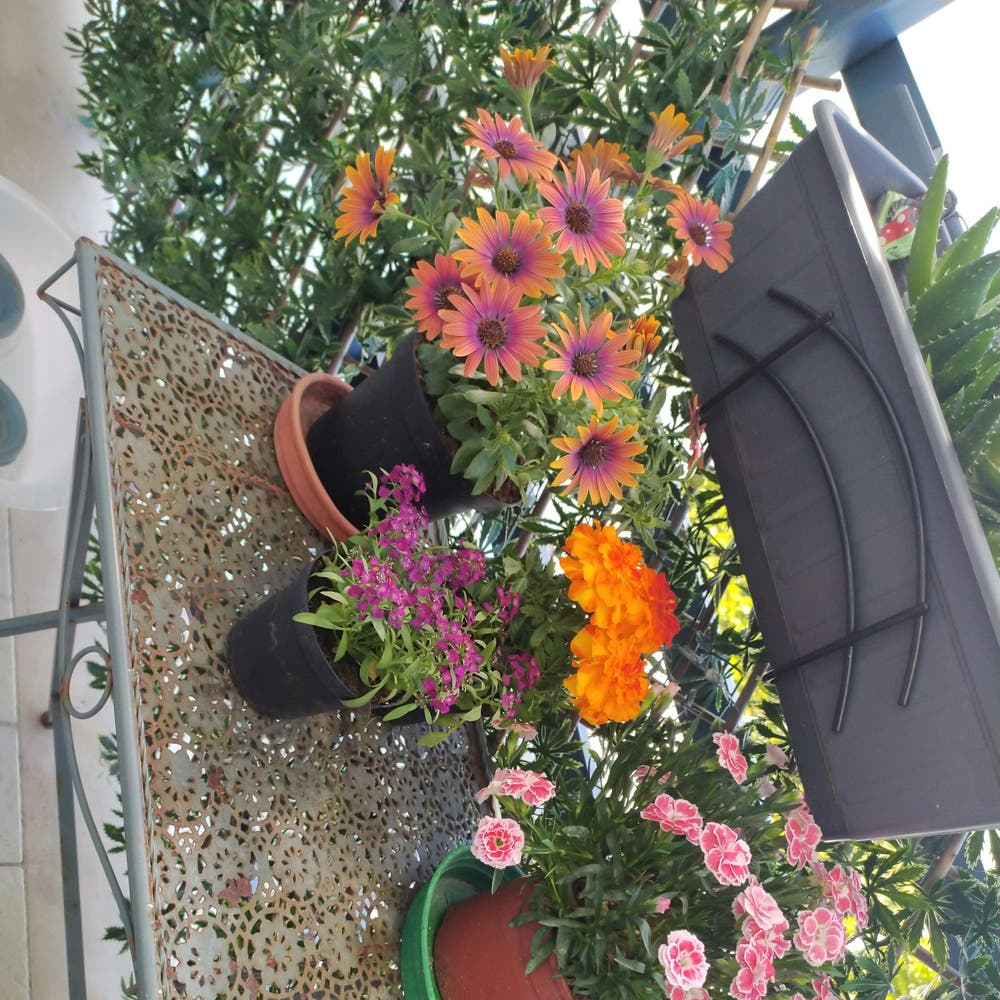
Pairing colors in your garden can create a stunning visual impact. Consider combining the vibrant hues of companion plants with Sweet Alyssum's delicate white or pastel blooms for a striking effect.
For instance, the deep blues of Lobelia or the fiery oranges of Marigold can create a beautiful contrast. This not only enhances the aesthetic appeal but also draws the eye, making your garden a focal point.
Layering Plants for Depth and Texture 🌿
Creating depth in your garden design adds interest and dimension. One effective technique is to plant taller companions behind Sweet Alyssum, establishing a tiered effect.
This approach allows the shorter Sweet Alyssum to shine while providing a backdrop of color and texture. Plants like Pansies or Marigolds can serve as excellent taller companions, enhancing the overall garden layout.
By thoughtfully combining colors and layering plants, you can transform your garden into a vibrant, inviting space. This not only elevates the beauty of your garden but also fosters a thriving ecosystem, setting the stage for the next discussion on pest management strategies.
Pest Management Strategies
Enhancing Pest Control 🌿
Companion plants play a crucial role in pest management. By strategically planting certain species alongside Sweet Alyssum, you can effectively deter pests and attract beneficial insects.
For instance, Marigolds are known for their pest-repellent properties. They deter nematodes and other harmful insects, creating a healthier environment for your Sweet Alyssum.
Sweet Alyssum's Role 🐞
Sweet Alyssum itself is a powerhouse in attracting pollinators and beneficial insects. Its fragrant blooms draw in ladybugs and lacewings, which are natural predators of common garden pests.
This not only enhances the health of your garden but also promotes biodiversity. By incorporating Sweet Alyssum, you create a thriving ecosystem that benefits all your plants.
Incorporating these strategies will help you maintain a vibrant and healthy garden. Next, let’s explore how to visually enhance your garden design with color combinations and layering techniques.
⚠️ Safety First
This content is for general information and may contain errors, omissions, or outdated details. It is not medical, veterinary advice, or an endorsement of therapeutic claims.
Always consult a qualified healthcare professional before using any plant as food, medicine, or supplement.
Never eat any plant (or feed one to pets) without confirming its identity with at least two trusted sources.
If you suspect poisoning, call Poison Control (800) 222-1222, the Pet Poison Helpline (800) 213-6680, or your local emergency service immediately.
Spotted an error? Please report it here.
Unlock a thriving garden ecosystem 🌼 by pairing Sweet Alyssum with its perfect companions, and let Greg guide you with tailored care tips to ensure your plants flourish together!