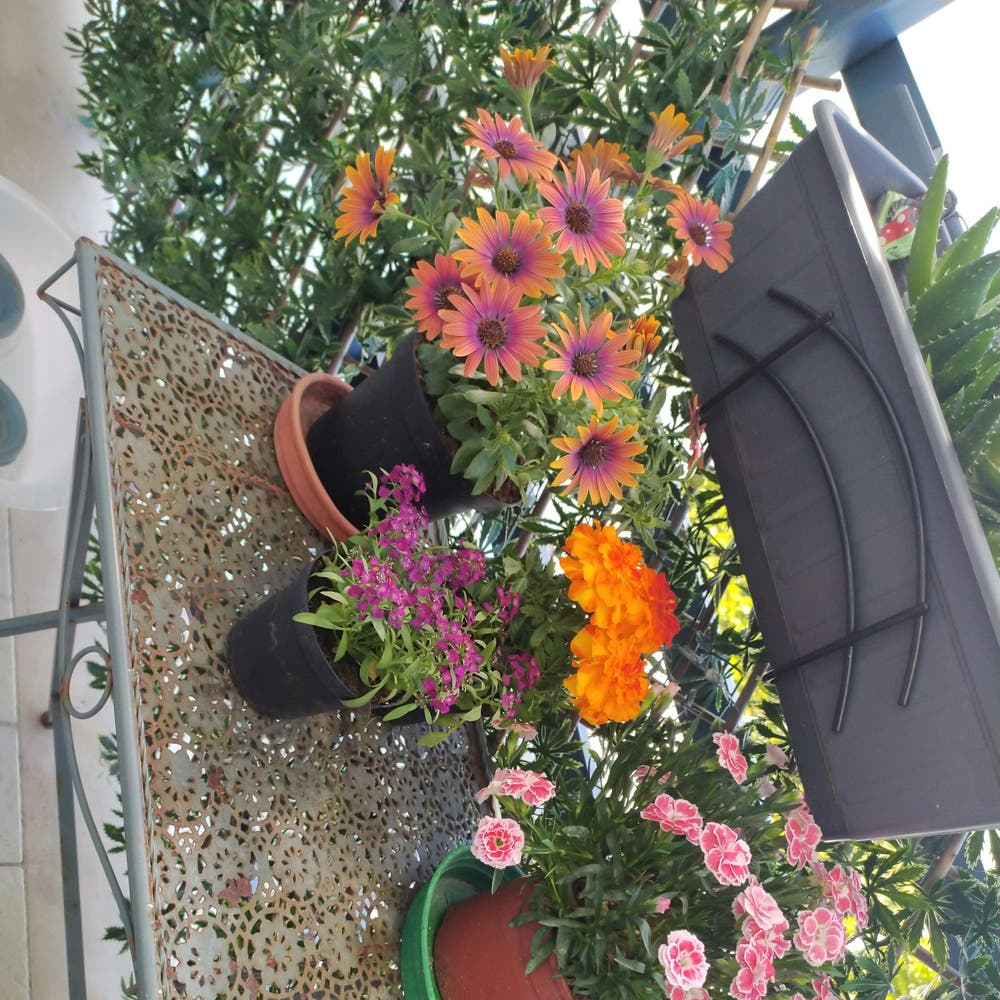
Choosing Fertilizer For My Sweet Alyssum
Lobularia maritima
By the Greg Editorial Team
Jun 08, 2024•7 min read
This article was created with the help of AI so we can cover more plants for you. May contain errors. See one? Report it here.
- Soil pH 6.0-7.0 optimizes nutrient absorption for Sweet Alyssum.
- 🌸 Higher phosphorus fertilizer enhances Sweet Alyssum's blooming.
- Organic and synthetic combo offers balanced nutrition and soil health.
Soil pH and Nutrient Absorption for Sweet Alyssum
Soil pH isn't just a number; it's the gatekeeper of your Sweet Alyssum's nutrient buffet. Get it wrong, and you're basically putting a padlock on the dinner table.
🎯 The pH Sweet Spot
Aim for a soil pH that's slightly acidic to neutral, between 6.0 and 7.0. This range is the sweet spot for nutrient uptake, ensuring your Sweet Alyssum isn't left hungry.
🧪 Testing and Adjusting
Grab a soil pH testing kit—it's your new best friend. If your soil is too acidic, sprinkle some lime into the mix. Too alkaline? Elemental sulfur is your go-to. Remember, patience is key; these adjustments don't happen overnight.
🌱 Enhancing Fertilizer Efficiency
Mix in organic matter like compost or manure to give your soil a nutrient boost and improve structure. Think of it as upgrading from a studio apartment to a spacious house—roots need room to stretch.
🚰 Pro Tip
Watering in your granular fertilizer isn't just a suggestion; it's a must. It's like making sure the waiter actually brings your food to the table.

Choosing the Right Fertilizer for Blooming
Navigating the NPK ratios is crucial for Sweet Alyssum's vibrant blooms.
💡 Understanding NPK
Nitrogen (N) is for foliage, while phosphorus (P) and potassium (K) are your go-to for flowers. Sweet Alyssum craves less nitrogen and more phosphorus.
🌱 Ideal Fertilizer Mix
A ratio like 0-10-10 is your ticket to a floral paradise. It's the phosphorus that turns the blooming dial up to eleven.
🌿 Application Tips
Apply at half-strength to avoid burning those delicate roots. Always water thoroughly after adding granules to ensure proper absorption.
🌸 Real Talk on Fertilizer Choices
Forget the one-size-fits-all approach. Your Sweet Alyssum isn't a generic houseplant—it's a blooming maestro that demands a tailored diet.
💡 Pro Tip
Keep an eye out for fertilizers that boast a higher middle number. That's the phosphorus power punch your Sweet Alyssum needs to bloom like it's in a botanical contest.
Remember, overdoing it is a no-go. More isn't always better—unless we're talking about flowers, of course.

Organic vs. Synthetic Fertilizers for Sweet Alyssum
🌱 The Great Debate: Organic vs. Synthetic
When it comes to Sweet Alyssum, choosing the right fertilizer is like picking a fine wine—it needs to complement the plant's palette. Organic fertilizers are the slow food movement of the garden world. They release nutrients gradually, building soil health and fostering a sustainable environment for your blooms. Think of them as a long-term investment in your soil's future.
🚀 Quick Fix or Long Game?
Synthetic fertilizers are the fast food of plant nutrition—quick, convenient, and sometimes just what you need. They're engineered to provide an immediate nutrient hit, perfect for that Sweet Alyssum craving a pick-me-up. But beware, they're also like a strong espresso—easy to overdo.
🌍 Environmental Footprint
Organic fertilizers are the eco-warriors, generally kinder to Mother Earth. They improve soil structure and increase biodiversity. Synthetics, on the other hand, can be the bull in the china shop—effective but sometimes aggressive to the environment.
💸 Cost and Accessibility
Your wallet will feel the difference. Organic fertilizers can be pricier and harder to track down than their synthetic counterparts. But for many, the investment is worth it for the peace of mind and long-term benefits.
🤝 Combining Forces
Can't decide? You don't have to. Some gardeners play both sides, using organic for soil health and synthetic for targeted, immediate results. It's like having your cake and eating it too—just make sure your Sweet Alyssum isn't getting too much of a good thing.
🏆 The Takeaway
Whether you go organic or synthetic, remember the golden rule: moderation is key. Over-fertilizing with either can lead to a nutrient overdose, and nobody wants a hungover Sweet Alyssum. Keep it balanced, and you'll be rewarded with a garden that's the envy of the neighborhood.

Fertilizing Sweet Alyssum Through Its Growth Stages
🌱 Early Growth Stage: Root and Foliage Development
Sweet Alyssum, that fragrant carpet of blooms, starts its life cycle with a crucial early growth stage. During this period, root and foliage development are the main events. To support this, a balanced fertilizer is your go-to. Look for a mix that's not too heavy on nitrogen, as we're not trying to grow a jungle here. Monthly applications of a water-soluble formula will do the trick, especially for those in containers. In-ground plants can be more laid-back, requiring less frequent feeding unless you're dealing with poor soil.
🌸 Flowering Stage: Continuous Blooming
Now, for the star of the show: blooming. As your Sweet Alyssum transitions to this stage, it's time to switch gears. Phosphorus takes the lead role now, promoting those nonstop blooms we all love. An NPK ratio like 0-10-10 is your ticket to a floral paradise. But remember, less is more. Apply at half-strength every 2-3 weeks to avoid the dreaded nutrient burn. If you're in the perennial game, a slow-release granular fertilizer every three months keeps the blooms coming without overdoing it.
Remember, when the temperature dips below 50°F, your Sweet Alyssum's appetite for nutrients takes a nap. So, let's not waste good fertilizer, shall we? Feed when it counts, and you'll be rewarded with a garden that's a feast for the eyes.
Application Techniques and Frequency
💡 Best Practices for Fertilizer Application
To keep your Sweet Alyssum flourishing, apply fertilizer with precision. Don protective gloves and perhaps a mask if you're dealing with chemicals. Liquid fertilizers are your go-to for a quick nutrient fix, ideal for plants in containers. Apply these every 2-3 weeks during the growing season. For in-ground Sweet Alyssum, a granular slow-release option provides a steady nutrient supply, requiring application just every three months. Remember, always water in granular fertilizers to help them dissolve.
💡 Frequency: Timing is Everything
Overzealous fertilization is a no-no. For annuals, continue feeding up to the first frost to support blooming. Perennials, on the other hand, appreciate a consistent schedule year-round, as long as temperatures stay above 50°F. If you're using high-nitrogen fertilizers, dial back the frequency. Slow-release types also let you space out applications because they break down over time.
💡 Avoiding Over-Fertilization
Too much of a good thing can be harmful. Over-fertilization leads to a buildup of salts which can damage your Sweet Alyssum's roots. To prevent this, apply fertilizers at half the recommended dose. Keep an eye on your plant's response; signs of distress could indicate nutrient overload. If you suspect over-fertilization, flush the soil with water to wash away excess salts.
Remember, your Sweet Alyssum isn't a glutton—it prefers a balanced diet served in moderation.
Recognizing and Correcting Over-Fertilization
Sweet Alyssum, like any plant, can suffer from too much love in the form of over-fertilization. Here's how to spot the trouble and get your plants back on track.
🚨 Signs of Trouble
Yellow or brown leaves may scream over-fertilization, especially if they appear soon after feeding your plants. Look for a crust of fertilizer on the soil surface, or roots that are brown and limp rather than white and firm. Wilting leaves despite moist soil can also be a red flag, along with a sudden drop of both old and new leaves. If your Sweet Alyssum's flowers are lackluster or burning at the tips, it's time to take action.
🛠️ Immediate Remedies
First, remove any visible fertilizer from the plant's base. Then, flood the area with water to flush out excess nutrients—repeat this every few days, monitoring your plant's response. Snip off any damaged foliage to help the plant focus on recovery.
🌱 Soil Solutions
If the situation is dire, replacing the top layer of soil can give your Sweet Alyssum a fresh start. For potted pals, consider a complete change of scenery with new, nutrient-free soil.
⏱ Recovery Time
Hold off on further fertilization until your plant has bounced back, which could take three to four weeks. When you resume feeding, consider a less is more approach, and always test the soil first to avoid a repeat performance.
Remember, Sweet Alyssum isn't a glutton for nutrients. It's a case of the good life gone bad when overzealous fertilizing leads to a plant's version of a nutrient hangover. Keep it light, keep it right, and your Sweet Alyssum will thank you with vibrant blooms and lush foliage.
⚠️ Safety First
This content is for general information and may contain errors, omissions, or outdated details. It is not medical, veterinary advice, or an endorsement of therapeutic claims.
Always consult a qualified healthcare professional before using any plant as food, medicine, or supplement.
Never eat any plant (or feed one to pets) without confirming its identity with at least two trusted sources.
If you suspect poisoning, call Poison Control (800) 222-1222, the Pet Poison Helpline (800) 213-6680, or your local emergency service immediately.
Spotted an error? Please report it here.
Ensure your Sweet Alyssum's blooms are vibrant 🌸 with Greg's reminders to balance pH and fertilize just right, avoiding over-fertilization pitfalls.