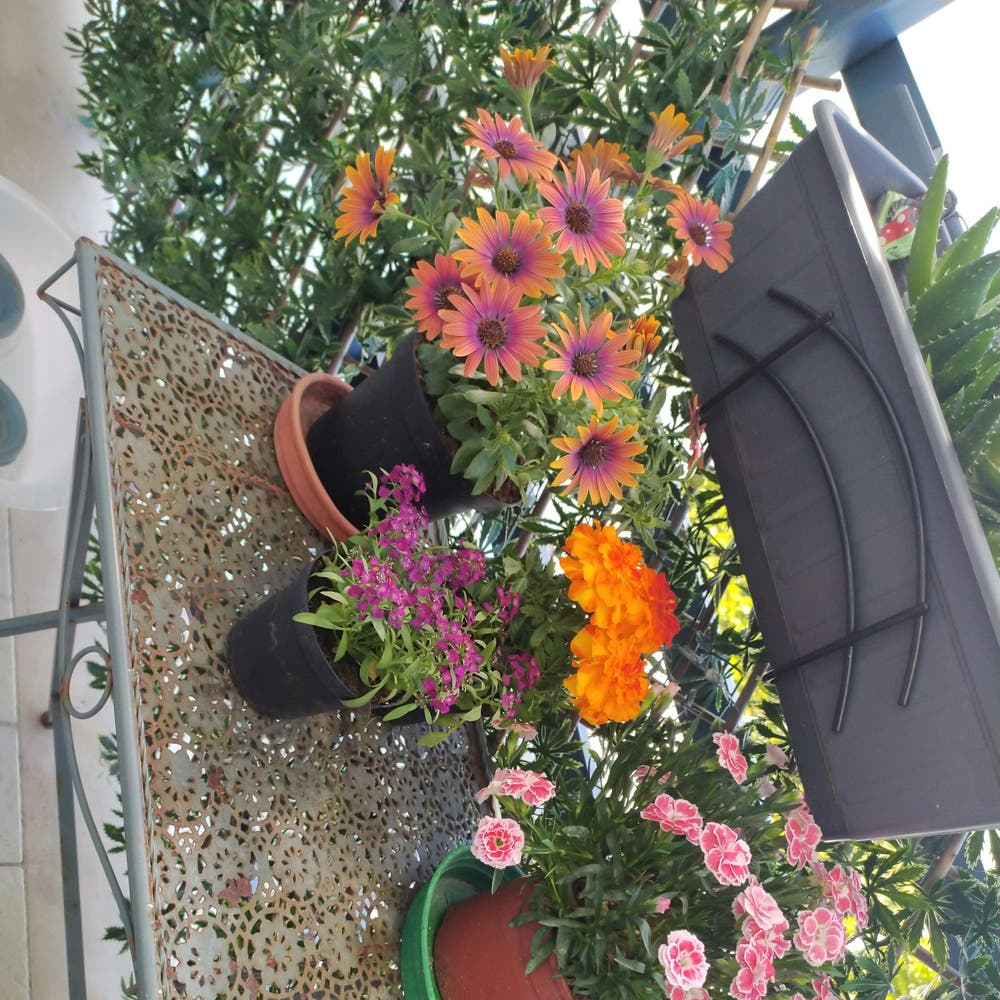
Why Is My Sweet Alyssum Dropping Leaves?
Lobularia maritima
By the Greg Editorial Team
Jun 08, 2024•9 min read
This article was created with the help of AI so we can cover more plants for you. May contain errors. See one? Report it here.
- Identify early signs like yellowing and wilting to intervene in leaf drop.
- Balance watering and environment to prevent stress-induced leaf shedding.
- Combat pests and diseases with Integrated Pest and Disease Management.
Recognizing Leaf Drop in Sweet Alyssum
Identifying the warning signs of leaf drop in Sweet Alyssum is crucial for early intervention.
🍂 Signs of Leaf Drop
- Yellowing leaves are your first red flag; they're the plant's SOS.
- Wilting is the next stage of the plant's protest against less-than-ideal conditions.
- When leaves start to hit the dirt, it's not just a bad day; it's a cry for help.
🕵️ Differentiating from Normal Behavior
- Sweet Alyssum shedding a leaf or two isn't headline news; it's when the ground looks like a leafy carpet that you should pay attention.
- A healthy plant doesn't look like it's been through a leaf blower; if yours does, it's time to play plant detective.

Improper Watering Practices
Sweet Alyssum's delicate leaves are victims of our best intentions gone awry when it comes to watering.
💦 Overwatering: The Root of All Evil
Overwatering is the silent killer in the plant world. It's like giving your plant a bath when all it needs is a sip. The roots, craving oxygen, are instead smothered in moisture, leading to a sad, droopy plant with yellowing leaves. Root rot sets in, and before you know it, you're conducting a funeral for your once vibrant Sweet Alyssum.
🏜️ Underwatering: A Thirsty Cry for Help
Conversely, underwatering leaves your plant as parched as a desert wanderer. The soil becomes as dry as a bone, and the leaves start dropping like flies in a frost. Wilting and brown tips are your plant's desperate SOS.
🚰 The Watering Balancing Act
To strike the perfect moisture balance, check the soil. If it's dry an inch down, it's time to water. Use filtered or rainwater to avoid mineral build-up, and always ensure your pots have drainage holes to prevent your Sweet Alyssum's feet from getting too wet.
Adjusting to Your Plant's Needs
Remember, plants don't follow our calendar. Adjust your watering schedule based on the actual thirst of your Sweet Alyssum. If the leaves perk up after watering, you've got the timing right. If they don't, you might need to adjust your approach.
💧 Quality of Water Matters
Don't just focus on the quantity of water; the quality matters too. Hard water can leave deposits that harm your plant. Using rainwater or filtered water can make a world of difference.
Seasonal Sensitivity
Be mindful of the seasons. As the environment changes, so does your plant's need for water. Overlook this, and you're asking for trouble.
The Tell-Tale Signs
Keep an eye out for yellow leaves with green veins or a general lack of luster. These are tell-tale signs that your watering habits need a makeover.
Remedial Steps
If you've overdone it with the H2O, let the soil dry out. Remove any decaying leaves to prevent further damage. And if you've been stingy with water, give your plant a thorough drink, ensuring the moisture reaches the roots where it's needed most.
Remember, watering is an art, and your Sweet Alyssum is the canvas. Get it right, and you'll be rewarded with a plant that's as lush and vibrant as a rainforest.

Environmental Stress Factors
Sweet Alyssum's resilience is tested by environmental stressors that can lead to leaf drop. Here's how to keep your greens in the green zone.
🌡️ Temperature Fluctuations
Temperature swings are like a bad rollercoaster for Sweet Alyssum. Too hot, and you'll see leaves curling up like they're trying to escape the heat. Too cold, and they might turn a fashionable shade of brown-black, but at the cost of their health. Keep it cool, but not cold, and definitely not scorching.
🌞 Light Conditions
Sweet Alyssum loves the spotlight, but not too bright. Light stress can cause leaves to fade or burn, leaving them looking washed out or overly tanned. Aim for that sweet spot of bright, indirect light where they can bask without the risk of a sunburn.
💨 Air Quality and Circulation
Your plant's leaves need to breathe, and they can't do that if their stomata are clogged with pollutants. If you're smoking near your plants, you're basically asking them to breathe through a straw. Keep the air around them as fresh as your garden soil, with good circulation to prevent any ethylene-induced aging.
💧 Humidity Levels
Sweet Alyssum isn't a fan of dry, sarcastic air. Low humidity can make leaves roll up tighter than a burrito, trying to conserve moisture. On the flip side, high humidity is like a spa day for them. Keep the air comfortably moist, and you'll avoid the sad sight of stunted growth or crispy leaves.
Optimizing Conditions
To prevent your Sweet Alyssum from shedding leaves like a dog in summer, balance is key. Monitor temperature and humidity, control light exposure, and ensure the air around them is cleaner than your intentions. It's not just about avoiding extremes; it's about finding that perfect environmental equilibrium where your Sweet Alyssum can thrive.

Biotic Stressors: Pests and Diseases
🕵️ Identifying the Culprits Behind Leaf Drop
Sweet Alyssum may play host to unwanted visitors such as spider mites, aphids, and an array of fungal adversaries. These pests and diseases can wreak havoc, causing leaves to yellow, wilt, and ultimately detach from the plant.
🐜 The Pest Lineup
Common pests that target Sweet Alyssum include:
- Aphids: These sap-suckers can cause leaves to curl and stunt growth.
- Spider Mites: Tiny yet troublesome, their feeding results in speckled leaves.
- Whiteflies: They leave behind a sticky residue that can lead to sooty mold.
🍄 Fungal Foes and Disease Dilemmas
Fungal infections like powdery mildew and root rot can also lead to leaf drop. Symptoms often include spots on leaves and a general appearance of plant malaise.
🛡️ Integrated Pest and Disease Management (IPDM)
To combat these biotic stressors, adopt an IPDM approach:
- Regular Inspections: Catching pests early can prevent a full-blown infestation.
- Cultural Controls: Ensure proper spacing and air circulation to deter fungal growth.
- Biological Controls: Introduce natural predators like ladybugs to keep aphid populations in check.
- Chemical Controls: Use insecticidal soaps or neem oil as targeted treatments, not as a first line of defense.
💬 Real Talk: Prevention Over Cure
Preventive measures are your best bet. Maintain a vigilant eye and a steady hand when it comes to watering and fertilizing, as a stressed Sweet Alyssum is more susceptible to attack. Remember, it's easier to prevent a problem than to solve one.
Nutrient Imbalances and Leaf Drop
Nutrient deficiencies are like silent alarms for Sweet Alyssum, often resulting in leaf drop. Without their essential mineral diet, leaves can become the embodiment of fatigue, drooping as if they've run a marathon with no finish line.
🚨 Recognizing Deficiency Symptoms
Yellowing leaves and stunted growth are the plant's SOS signals. Micronutrient deficiencies might show up as interveinal chlorosis, especially in younger leaves, signaling a desperate need for nutrients like iron.
🌱 Fertilization: Getting It Just Right
Think of fertilization as the plant's personal chef—a balanced fertilizer is the secret sauce to robust leaves. But here's the kicker: over-fertilization is as bad as under-fertilization. It's a delicate dance of giving just enough without going overboard.
The Right Amount
Apply fertilizer with a light hand; too much and you risk nutrient burn, too little and the leaves starve. It's about hitting that sweet spot.
The Right Time
Timing is everything. Regular feedings, following the product's instructions, can prevent the dreaded leaf drop. It's like a well-timed pep talk that keeps the plant perky.
🌱 Soil Amendments
Consider soil amendments to replenish what time and water have washed away. It's like refilling the pantry with all the good stuff so your plant doesn't miss out on any vital nutrients.
📊 In-House Nutritional Monitoring
Regular nutritional monitoring is key. Checking parameters like pH and electrical conductivity (EC) helps avoid nutritional deficiencies or toxicities. It's like keeping a health journal for your plant.
💡 Prevention Over Cure
Preventive care trumps reactive measures. Ensuring a balanced diet from the get-go is better than trying to fix problems after they've caused leaf drop. It's about proactive plant parenting.
Remember, less is often more with fertilization. Overdoing it can harm more than help, like force-feeding a goose for foie gras—definitely not cool and certainly not healthy.
Integrated Remedial and Preventive Care
Consistency is the cornerstone of plant health, especially when combatting leaf drop in Sweet Alyssum. To tackle this issue head-on, a two-pronged approach is essential: remedial action for immediate relief and preventive care to ward off future problems.
🚰 Immediate Remedial Actions
Addressing Watering Issues
Adjust your watering habits. Sweet Alyssum dislikes soggy feet as much as a cat dislikes a bath. Ensure proper drainage and allow the soil to dry slightly between waterings.
Environmental Adjustments
Keep your Sweet Alyssum comfortable. If it's baking like a potato in direct sunlight or shivering in the cold, it's time to find a milder spot.
Nutrient Management
Feed your plant, but don't overdo it. A balanced fertilizer can be the difference between a Sweet Alyssum that thrives and one that just survives.
Pest and Disease Control
Act fast against invaders. Remove any infected foliage and employ natural or chemical treatments as necessary, following the principles of Integrated Pest Management (IPM).
🛡️ Long-Term Preventive Strategies
Regular Monitoring
Keep an eye out. Regular checks will help you catch issues before they turn into full-blown dramas.
Pruning and Maintenance
Snip away. Pruning isn't just a haircut for your plant; it's a way to encourage new growth and remove potential disease vectors.
Soil and Root Health
Don't forget what's underground. Healthy roots and well-balanced soil are like a good foundation for a house—vital but often overlooked.
Environmental Optimization
Fine-tune your plant's surroundings. Sweet Alyssum enjoys stability, so aim for consistent temperatures and gentle, indirect light.
Preventive Care
Stay proactive. By maintaining a clean environment and fostering beneficial insects, you're setting up a strong defense against future threats.
By integrating these remedial and preventive measures, your Sweet Alyssum can rebound from leaf drop and flourish, becoming the envy of the neighborhood's gardens. Remember, plants may not speak our language, but they're always communicating. Keep your ears, eyes, and mind open.
⚠️ Safety First
This content is for general information and may contain errors, omissions, or outdated details. It is not medical, veterinary advice, or an endorsement of therapeutic claims.
Always consult a qualified healthcare professional before using any plant as food, medicine, or supplement.
Never eat any plant (or feed one to pets) without confirming its identity with at least two trusted sources.
If you suspect poisoning, call Poison Control (800) 222-1222, the Pet Poison Helpline (800) 213-6680, or your local emergency service immediately.
Spotted an error? Please report it here.
Prevent Sweet Alyssum leaf drop and maintain a thriving 🌟 garden with Greg's personalized reminders for watering, pest management, and nutrient balance.