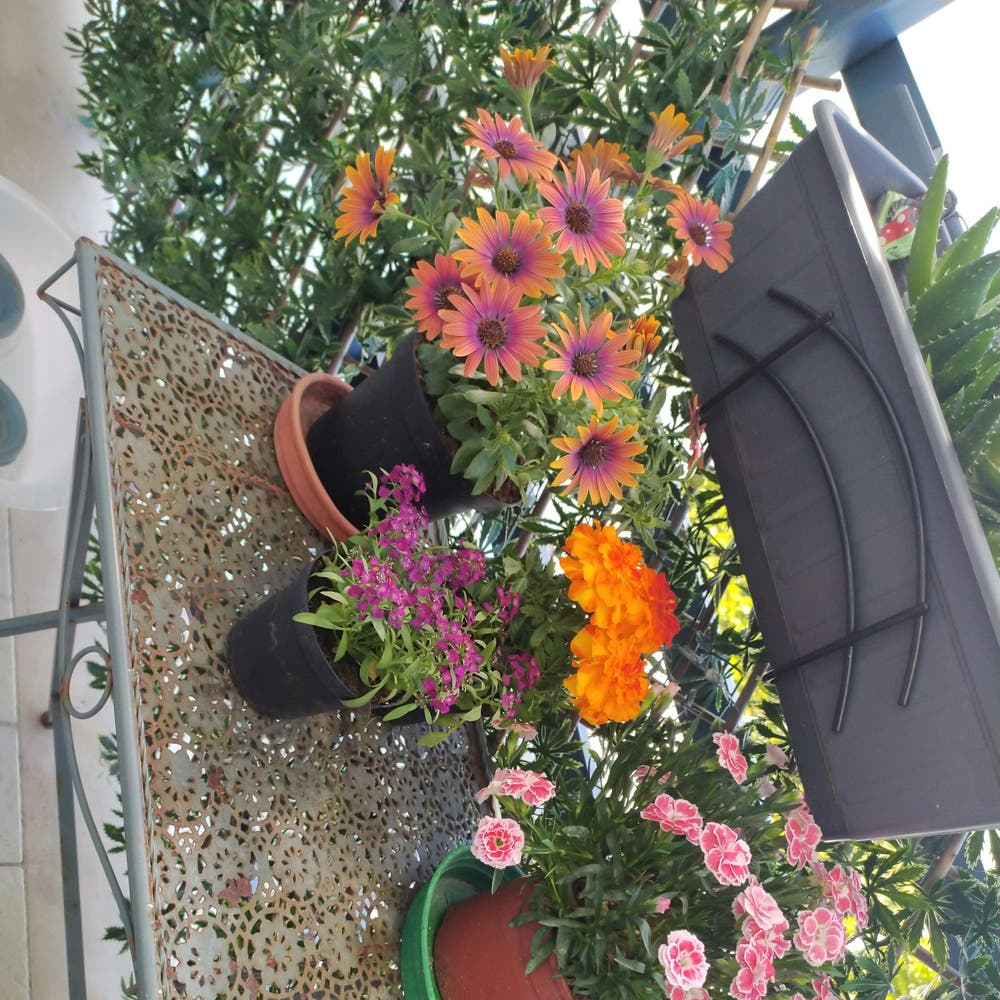
🌼 Optimal Hardiness Zones for Sweet Alyssum: 5a-9b
Lobularia maritima
By the Greg Editorial Team
Oct 02, 2024•5 min read
This article was created with the help of AI so we can cover more plants for you. May contain errors. See one? Report it here.
- 🌼 Sweet Alyssum thrives in zones 5a to 9b, perfect for diverse climates.
- ❄️ Best planted after the last frost, it tolerates winter down to 20°F (-6°C).
- ☀️ Ideal growth temperature is 60°F to 75°F, ensuring vibrant blooms and health.
Sweet Alyssum Temperature Tolerance
❄️ Cold Tolerance Specifics
Sweet Alyssum is surprisingly resilient, able to withstand winter temperatures as low as 20°F (-6°C). This frost tolerance allows it to thrive in cooler climates, making it a popular choice for early spring planting.
Frost tolerance means that while Sweet Alyssum can survive chilly nights, it’s best planted after the last frost date. This ensures that the plants establish well and can flourish as temperatures rise.
☀️ Heat Tolerance Specifics
During the summer, Sweet Alyssum can tolerate temperatures up to 85°F (29°C). However, prolonged exposure to high heat can lead to stress, causing wilting and reduced flowering.
Heat stress can significantly impact growth, leading to smaller blooms and less vibrant colors. Keeping the plants well-watered during hot spells can help mitigate these effects.
🌡️ Ideal Temperature Ranges for Growth
The optimal temperature range for Sweet Alyssum lies between 60°F to 75°F (15°C to 24°C). This range promotes lush growth and abundant flowering.
Temperature fluctuations can affect blooming patterns, with extreme highs or lows potentially delaying flower production. Maintaining consistent temperatures helps ensure a vibrant display throughout the growing season.
Understanding these temperature tolerances is crucial for successful cultivation. With the right conditions, Sweet Alyssum can bring a burst of color to your garden, regardless of the season.
Ideal Regions for Growing Sweet Alyssum
🌍 Examples of US States in Zones 5a-9b
Sweet Alyssum flourishes in several states across the U.S., particularly in Zones 5a to 9b. Notable states include:
- California: Known for its warm climate, cities like Los Angeles and San Diego provide ideal conditions.
- Texas: The mild winters and warm summers in cities like Austin and Houston support robust growth.
- Florida: With its subtropical climate, areas like Miami and Orlando are perfect for Sweet Alyssum.
These regions offer the right balance of temperature and growing conditions, making them prime spots for this charming flower.
🌱 Factors Contributing to Ideal Growing Conditions
To thrive, Sweet Alyssum has specific preferences that gardeners should consider.
- Soil Type: Well-drained soil is essential. Sweet Alyssum doesn't like to sit in water, so good drainage helps prevent root rot.
- Sunlight Requirements: This plant loves light! It thrives in full sun but can also tolerate partial shade.
By ensuring these conditions, gardeners can enjoy a vibrant display of Sweet Alyssum throughout the growing season.
Understanding these ideal regions and conditions sets the stage for successful planting. Next, let’s explore how microclimates can further enhance the growth of Sweet Alyssum.
Microclimates and Their Impact
🌤️ How Microclimates Can Extend Growing Zones
Microclimates are localized areas where the climate differs from the surrounding region. These unique conditions can create a haven for Sweet Alyssum, allowing it to thrive even in less-than-ideal hardiness zones.
Urban areas often exhibit microclimates due to heat generated by buildings and pavement. Sheltered gardens, surrounded by walls or trees, can also provide protection from harsh winds and temperature extremes, making them perfect for growing Sweet Alyssum.
🌊 Examples of Microclimates Affecting Sweet Alyssum Growth
Several US states showcase microclimates that support Sweet Alyssum growth effectively. For instance, coastal California benefits from the moderating effects of the ocean, providing a stable temperature range.
In the Midwest, areas near lakes can create milder conditions, allowing Sweet Alyssum to flourish. Additionally, urban heat islands in cities like Phoenix can elevate temperatures, extending the growing season for this resilient flower.
Elevation plays a crucial role as well. Higher altitudes may experience cooler temperatures, but valleys can trap warmth, creating ideal conditions for Sweet Alyssum. Proximity to water sources also contributes to moisture retention, further enhancing growth potential.
Understanding these microclimates can empower gardeners to maximize their Sweet Alyssum's potential. By recognizing local conditions, you can create a thriving environment for this beautiful flower, setting the stage for a vibrant garden display.
Next, we’ll delve into state-level suitability analysis, identifying where Sweet Alyssum can truly shine across the United States.
State-Level Suitability Analysis
List of States Suitable for Sweet Alyssum (Zones 5a-9b) 🌼
Sweet Alyssum flourishes in a variety of states within hardiness zones 5a to 9b. Here’s a quick look at some of the best options:
California: With its mild winters and warm summers, California provides an ideal environment for Sweet Alyssum. Coastal areas, in particular, offer the perfect balance of sun and moisture.
Texas: The diverse climates across Texas allow for successful growth, especially in the central and southern regions. The warm temperatures support robust blooming.
Florida: Known for its warm climate, Florida's conditions are perfect for Sweet Alyssum, particularly in areas with well-drained soil.
North Carolina: The temperate climate and moderate winters make North Carolina a suitable choice for planting Sweet Alyssum.
These states provide the right combination of temperature, sunlight, and soil conditions, making them perfect for cultivating this charming flower.
List of States Unsuitable for Sweet Alyssum and Reasons Why 🚫
Not every state is a good fit for Sweet Alyssum. Here are some states where growth is challenging:
Alaska: The extreme cold and short growing season make it nearly impossible for Sweet Alyssum to thrive.
North Dakota: Harsh winters and limited warmth during the growing season hinder successful cultivation.
Maine: While beautiful, the cold climate and late spring frosts pose significant challenges for Sweet Alyssum.
These states often experience extreme temperatures or prolonged frost, which can severely impact the plant's growth and flowering potential.
Discussion of Frost Dates and Their Relevance to Sweet Alyssum ❄️
Understanding frost dates is crucial for successful Sweet Alyssum planting. The first frost typically occurs in late fall, while the last frost can vary from early spring to mid-spring, depending on the region.
Timing your planting around these dates ensures that Sweet Alyssum has the best chance to establish itself and bloom beautifully. Planting too early or too late can lead to frost damage, stunting growth and reducing flowering.
By keeping an eye on local frost dates, you can optimize your planting schedule and enjoy a vibrant display of Sweet Alyssum throughout the growing season.
As we explore the next section, let’s dive into how microclimates can further enhance the growing conditions for Sweet Alyssum.
⚠️ Safety First
This content is for general information and may contain errors, omissions, or outdated details. It is not medical, veterinary advice, or an endorsement of therapeutic claims.
Always consult a qualified healthcare professional before using any plant as food, medicine, or supplement.
Never eat any plant (or feed one to pets) without confirming its identity with at least two trusted sources.
If you suspect poisoning, call Poison Control (800) 222-1222, the Pet Poison Helpline (800) 213-6680, or your local emergency service immediately.
Spotted an error? Please report it here.
Maximize your Sweet Alyssum's blooming potential 🌼 with Greg's tailored care reminders, ensuring vibrant colors and healthy growth in any hardiness zone!