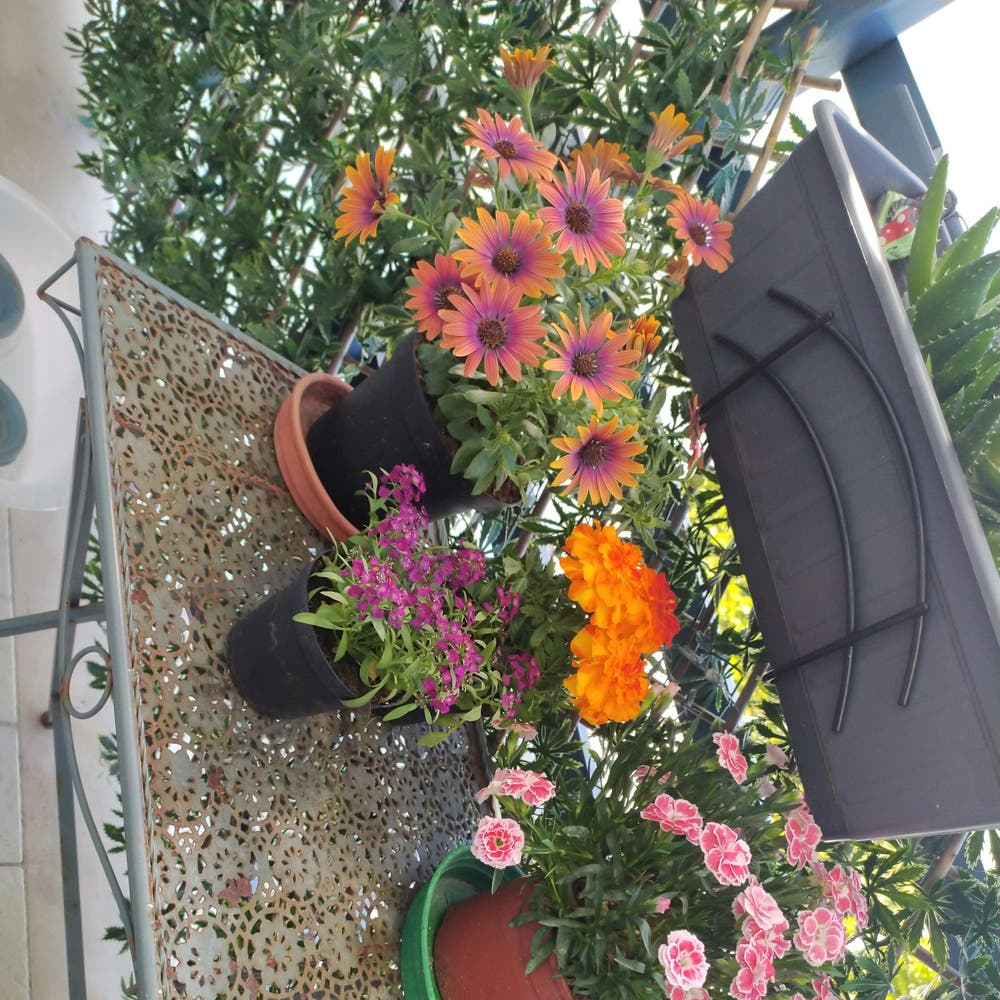
🌸 Sweet Alyssum Wilting? Here's What to Do
Lobularia maritima
By the Greg Editorial Team
Oct 02, 2024•5 min read
This article was created with the help of AI so we can cover more plants for you. May contain errors. See one? Report it here.
- 💧 Wilting in Sweet Alyssum often signals water or heat stress.
- 🌡️ Check soil moisture and temperature to diagnose wilting issues effectively.
- 🌿 Adjust watering and provide shade to prevent and treat wilting.
Common Causes of Wilting Leaves
💧 Water Stress
Wilting leaves can often signal water stress in your Sweet Alyssum. Look for drooping leaves, dry soil, and curling foliage as key symptoms.
Inconsistent watering practices are usually to blame. Whether it's too little or too much water, finding the right balance is crucial for your plant's health.
☀️ Heat Stress
Heat stress is another common culprit behind wilting. Symptoms include wilting during hot days, leaf scorch, and browning edges.
This condition typically arises from exposure to high temperatures without adequate hydration or shade. Keeping your plant cool is essential during those scorching summer months.
🦠 Disease-Related Wilting
Sometimes, wilting can stem from disease-related issues. Symptoms like yellowing leaves, stunted growth, and wilting despite proper care may indicate a problem.
While pathogenic wilt is uncommon, it can occur. It's best to focus on environmental factors first before jumping to conclusions about diseases.
Understanding these common causes will help you diagnose and address wilting effectively. Next, we'll explore how to accurately diagnose the issue in your Sweet Alyssum.
Diagnosing Wilting
🕵️♂️ Step-by-Step Guide to Diagnose Wilting
Diagnosing wilting in your Sweet Alyssum starts with assessing soil moisture. Check the top inch of soil; if it’s dry, your plant may be experiencing water stress. Conversely, if the soil feels soggy, overwatering could be the culprit.
Next, observe the environmental conditions. Take note of the temperature and sunlight exposure; high heat can indicate heat stress, which your plant may not be able to handle.
Finally, inspect for pests or diseases. Look for any signs of pests or fungal infections that could be contributing to the wilting. Early detection is key to effective treatment.
💧 Identifying Signs of Water Stress
Water stress can manifest in various ways. Pay attention to leaf texture; leaves may appear dry and crispy or mushy and discolored.
Soil condition is another indicator. Cracked soil suggests drought, while overly wet soil can signal overwatering. Both conditions require immediate attention to revive your plant.
🔥 Recognizing Heat Stress Symptoms
Heat stress presents its own set of symptoms. Check the leaf color; faded or scorched edges are telltale signs that your plant is struggling in high temperatures.
Additionally, observe the growth pattern. Stunted or leggy growth often results from inadequate light or excessive heat. Recognizing these symptoms early can help you take corrective action before it’s too late.
With a clear understanding of how to diagnose wilting, you can move on to implementing effective solutions to revive your Sweet Alyssum.
Solutions for Wilting
💧 Actionable Advice for Water Stress
To combat water stress, adjust your watering schedule. Water deeply but infrequently; this encourages roots to grow deeper and become more resilient.
☀️ Addressing Heat Stress Effectively
Heat stress can be a real challenge for your Sweet Alyssum. Provide shade during peak sun hours by using shade cloth or temporarily relocating the plant to a cooler area.
Increase your watering frequency during heat waves to keep the plant hydrated and thriving. A little extra care during these hot spells can make a big difference.
🦠 Techniques for Disease-Related Wilting
Improving air circulation around your plant is crucial for preventing disease-related wilting. Space your plants adequately to allow for airflow, which helps reduce the risk of fungal growth.
By taking these steps, you can effectively address the common causes of wilting and help your Sweet Alyssum flourish. Next, let’s explore how to revive a wilted plant and bring it back to life.
Reviving a Wilted Plant
Bottom Watering Techniques 🌊
Reviving a wilted Sweet Alyssum starts with effective watering.
- Place the pot in a shallow tray of water.
- Allow the plant to absorb moisture from the bottom for 30 minutes.
This method encourages deep root hydration, helping the plant bounce back.
Temporary Relocation Strategies 🌳
If the heat is relentless, consider relocating your plant.
Move it to a shaded area during extreme heat to protect it from sunburn.
Keep a close eye on temperature and light exposure to ensure optimal recovery.
Pruning Techniques for Damaged Leaves ✂️
Sometimes, a little trim can work wonders.
Identify and remove wilted or yellowing leaves to redirect energy to healthier parts of the plant.
Use clean, sharp scissors to prevent infection and promote healing.
By following these steps, you can give your Sweet Alyssum a fighting chance to thrive again.
Next, let’s explore preventive measures to keep your plants healthy and vibrant.
Preventive Measures
Best Practices for Watering 🌊
Establishing a consistent watering schedule is crucial for keeping your Sweet Alyssum healthy. Water your plants when the top inch of soil feels dry to the touch, ensuring they receive adequate moisture without becoming waterlogged.
Environmental Considerations 🌡️
Monitoring temperature and humidity levels can significantly impact your plant's health. Adjust your care routine based on seasonal changes to provide the best environment for your Sweet Alyssum.
Seasonal Care Tips 🍂
Mulching around the base of your plants is an excellent way to retain moisture. Using organic mulch not only helps regulate soil temperature but also enriches the soil as it breaks down, promoting healthier growth.
By implementing these preventive measures, you can create a thriving environment for your Sweet Alyssum. This proactive approach will help you avoid wilting issues and keep your plants looking vibrant and healthy.
Next, let’s explore when it’s time to seek expert help for your plants.
When to Seek Help
🆘 Signs That Require Expert Assistance
If your Sweet Alyssum is wilting persistently despite your best efforts, it might be time to call in the experts. Look out for severe pest infestations or signs of disease that could be beyond your control.
🤝 How to Approach Local Nurseries or Online Communities
When seeking help, prepare specific questions about your plant's symptoms and care. Sharing clear photos can significantly enhance the diagnosis and advice you receive, making it easier for others to help you troubleshoot effectively.
By being proactive and informed, you can ensure your Sweet Alyssum gets the care it needs to thrive. If you find yourself stuck, don’t hesitate to reach out for assistance!
⚠️ Safety First
This content is for general information and may contain errors, omissions, or outdated details. It is not medical, veterinary advice, or an endorsement of therapeutic claims.
Always consult a qualified healthcare professional before using any plant as food, medicine, or supplement.
Never eat any plant (or feed one to pets) without confirming its identity with at least two trusted sources.
If you suspect poisoning, call Poison Control (800) 222-1222, the Pet Poison Helpline (800) 213-6680, or your local emergency service immediately.
Spotted an error? Please report it here.
Keep your Sweet Alyssum thriving 🌼 by using Greg's personalized watering reminders and tips to tackle wilting issues before they start!