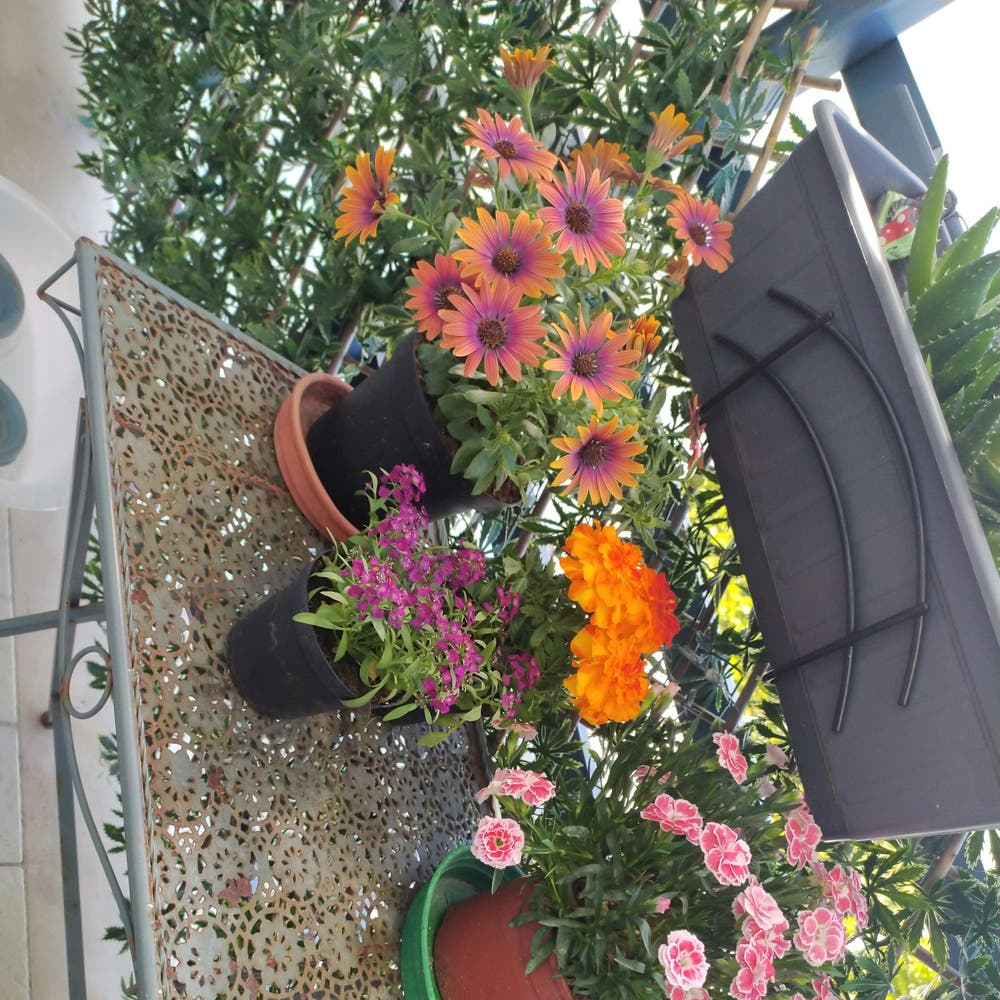
🌸 Sweet Alyssum Width: Planning Your Garden
Lobularia maritima
By the Greg Editorial Team
Oct 01, 2024•4 min read
This article was created with the help of AI so we can cover more plants for you. May contain errors. See one? Report it here.
- 🌼 Sweet Alyssum grows 4-12 inches tall and spreads 6-12 inches; plan accordingly!
- ☀️ Full sun (6-8 hours) boosts flowering; ensure optimal light for vibrant blooms.
- 🌱 Well-drained, nutrient-rich soil is vital for healthy Sweet Alyssum growth.
Mature Height and Spread
Typical Dimensions 🌱
Sweet Alyssum typically reaches a mature height of 4 to 12 inches. Its spread can range from 6 to 12 inches, depending on the specific variety and growing conditions.
Factors Influencing Size 📏
Several factors can influence the size of your Sweet Alyssum plants.
Soil Type: Well-drained soils are crucial for optimal growth, allowing roots to thrive without waterlogging.
Sunlight Exposure: Full sun, ideally 6 to 8 hours daily, significantly enhances flowering and overall growth.
Growth Habits: The growth pattern can also affect individual plant size, especially when they form dense clusters.
Understanding these dimensions and factors will help you plan your garden effectively. With the right conditions, your Sweet Alyssum can flourish beautifully, adding vibrant color and fragrance to your space.
Growth Rate and Time to Full Size
🌱 Growth Rate
Sweet Alyssum is a fast-growing annual that can reach its full size in about 8 to 12 weeks. If you plant in spring, you’ll notice quicker establishment, making it a favorite for gardeners eager to see results.
⏳ Time to Maturity
Under optimal conditions, germination takes just 7 to 14 days. From sowing, expect to achieve mature dimensions within 8 to 12 weeks, allowing you to enjoy those lovely blooms in no time.
Understanding these growth patterns can help you plan your garden effectively. With the right care, your Sweet Alyssum will flourish beautifully!
Size Variability Based on Growing Conditions
🌍 Environmental Factors
The size of your sweet alyssum can vary significantly based on environmental conditions. Nutrient-rich soils are essential; they lead to larger, healthier plants that thrive.
Watering practices also play a crucial role. Consistent moisture supports robust growth, while drought stress can stunt development.
Fertilization is another key factor. Using balanced NPK fertilizers can enhance growth, ensuring your plants reach their full potential.
🌱 Impact of Planting Density
Planting density can dramatically affect individual plant size. When plants are spaced too closely, competition for resources can lead to smaller specimens.
For optimal growth, aim for a spacing of 6-12 inches apart. This allows each plant enough room to flourish, maximizing their size and beauty.
Understanding these variables will help you create a vibrant garden filled with lush sweet alyssum. Next, let’s explore the differences between dwarf and giant varieties to find the perfect fit for your space.
Dwarf vs. Giant Varieties
🌱 Dwarf Varieties
One standout among dwarf varieties is 'Alyssum montanum'. This compact plant typically grows shorter than standard varieties, making it perfect for container gardening and small spaces.
Dwarf varieties are not just space-savers; they also bring a charming aesthetic to patios and balconies. Their smaller size allows for creative arrangements without overwhelming your garden.
🌳 Giant Varieties
On the other end of the spectrum, giant varieties can exceed standard dimensions, reaching heights over 12 inches. These robust plants are ideal for ground cover and larger garden beds, providing a lush, full look.
Giant varieties can create a stunning visual impact, filling in gaps and adding depth to your landscape. They thrive in open spaces, making them a great choice for those looking to make a bold statement in their garden.
Understanding the differences between dwarf and giant varieties helps you choose the right plants for your specific gardening needs. Whether you're limited on space or looking to fill a larger area, there's an Alyssum variety that fits your vision perfectly.
As you plan your garden, consider how these size variations can enhance your overall design. Next, let's explore how to control the size of your Alyssum plants for optimal growth and aesthetics.
Controlling Size
🌿 Pruning Techniques for Size Management
To keep your Sweet Alyssum in check, timing is crucial. Prune in early spring or right after flowering for the best results.
Pinching back the tips encourages bushier growth. This simple technique can help maintain a fuller appearance while controlling height.
📏 Tips for Maintaining Desired Dimensions
Regular monitoring is key to achieving your desired plant size. Keep an eye on their health and adjust your care routine accordingly.
Watering and fertilization should be tailored based on growth observations. If plants seem to be outgrowing their space, it might be time to reassess your approach.
🌸 Seasonal Considerations for Pruning
Spring is the perfect time for initial shaping and size control. This sets the stage for a robust growing season.
After blooming, don’t forget to deadhead and trim. This not only maintains compactness but also encourages new growth for the next cycle.
By following these tips, you can enjoy a vibrant, well-sized Sweet Alyssum garden that thrives throughout the seasons. Next, let’s explore the differences between dwarf and giant varieties to find the perfect fit for your garden.
⚠️ Safety First
This content is for general information and may contain errors, omissions, or outdated details. It is not medical, veterinary advice, or an endorsement of therapeutic claims.
Always consult a qualified healthcare professional before using any plant as food, medicine, or supplement.
Never eat any plant (or feed one to pets) without confirming its identity with at least two trusted sources.
If you suspect poisoning, call Poison Control (800) 222-1222, the Pet Poison Helpline (800) 213-6680, or your local emergency service immediately.
Spotted an error? Please report it here.
Unlock a blooming garden 🌸 by mastering Sweet Alyssum care with Greg's personalized watering reminders and expert tips to help your plants thrive all season long!